Knitting Abbreviations

Learn to understand knitting abbreviations with Liz Chandler @PurlsAndPixels.

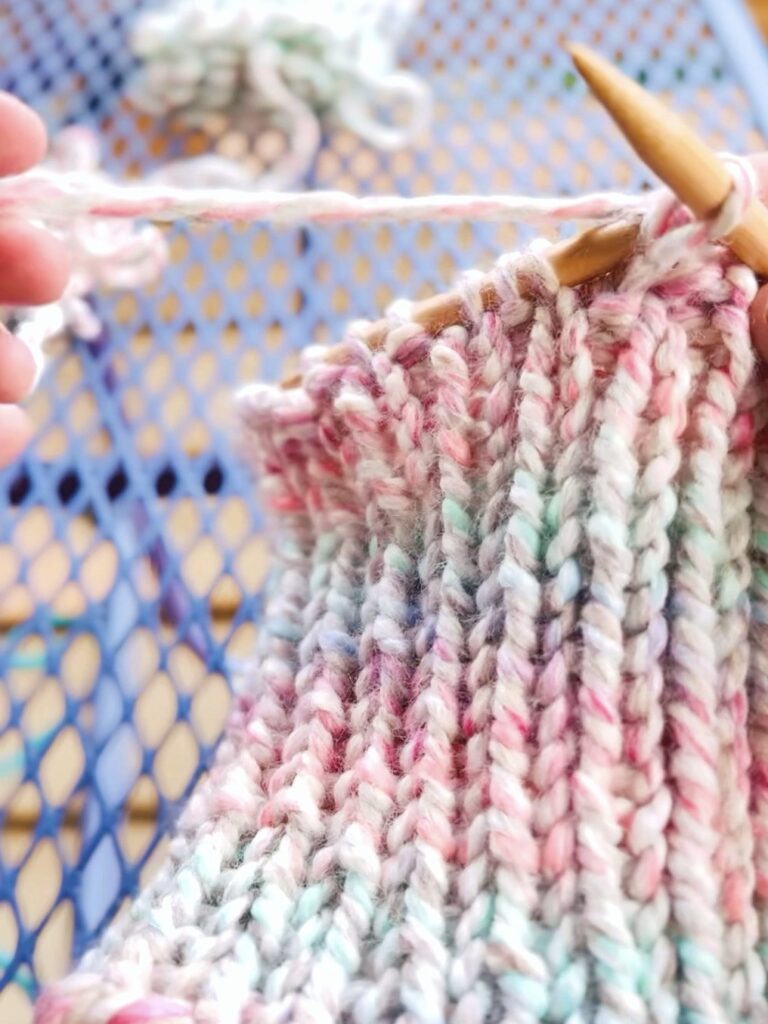
Ever open a knitting pattern and feel like you’ve wandered into a scene from A Beautiful Mind? Symbols float, letters jumble, and suddenly you’re convinced you need a chalkboard wall and a piece of string to map it all out. Welcome to the world of knitting abbreviations! It’s our very own secret language. But don’t worry, you don’t actually need a PhD in cryptography. Here, we are going to untangle the confusing hieroglyphics while muttering, “ugh, not another knot!” or whispering, “please skedaddle, I’m counting.” Let’s decode the knitting shorthand into plain English. I’ll sprinkle in a few jokes and make sure you leave feeling more “I’ve got this” than “where’s my decoder ring?”
Don't let knitting abbreviations confuse you. Find out what they mean with Liz Chandler @PurlsAndPixels.

This page is your central knitting abbreviations guidebook. Think of it as the place you bookmark, pin, or save to keep track of the whole series. Each individual post will break down one abbreviation in detail, but this index is where you can find them all.

Explore the Abbreviation Series

Here’s what’s been decoded so far:

Coming soon!

Next up: sl1pwyif (slip one stitch purlwise with yarn in front), sl1pwyib (slip one stitch purlwise with yarn in back), and sl (shorthand for sl1pwyib). Because knitting patterns never stop speaking in code.
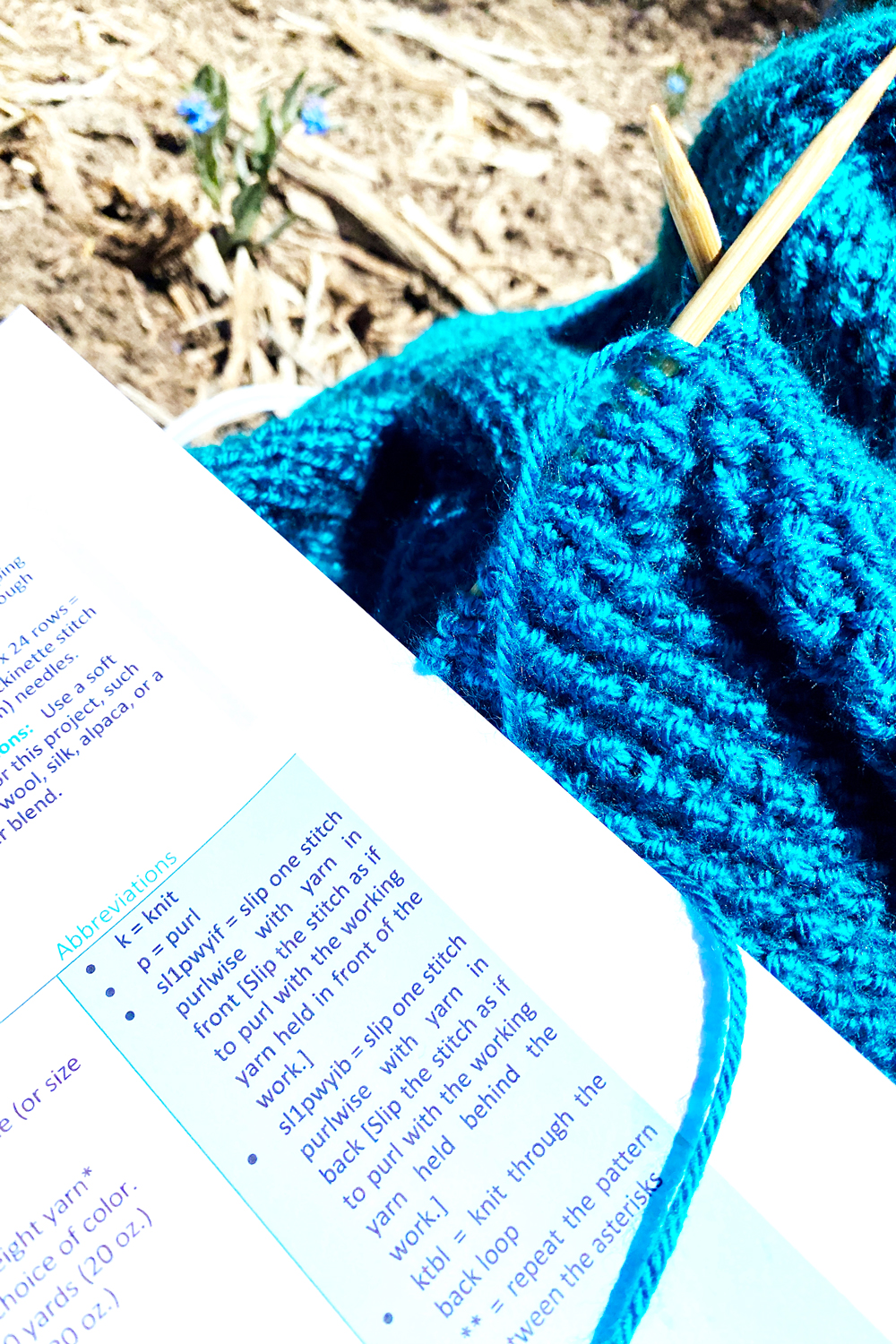
Learn knitting abbreviations with Liz Chandler @PurlsAndPixels. Let's knit something amazing!

Why Abbreviations Matter

At first, abbreviations feel like stumbling into a spy school exam. But once you crack the code, life gets easier and a lot more fun. You’ll:

  • Read patterns without having to pause and Google every other line
  • Tackle bigger projects with confidence instead of dread
  • Roll your eyes and laugh at the shorthand that once made you want to scream into your yarn ball

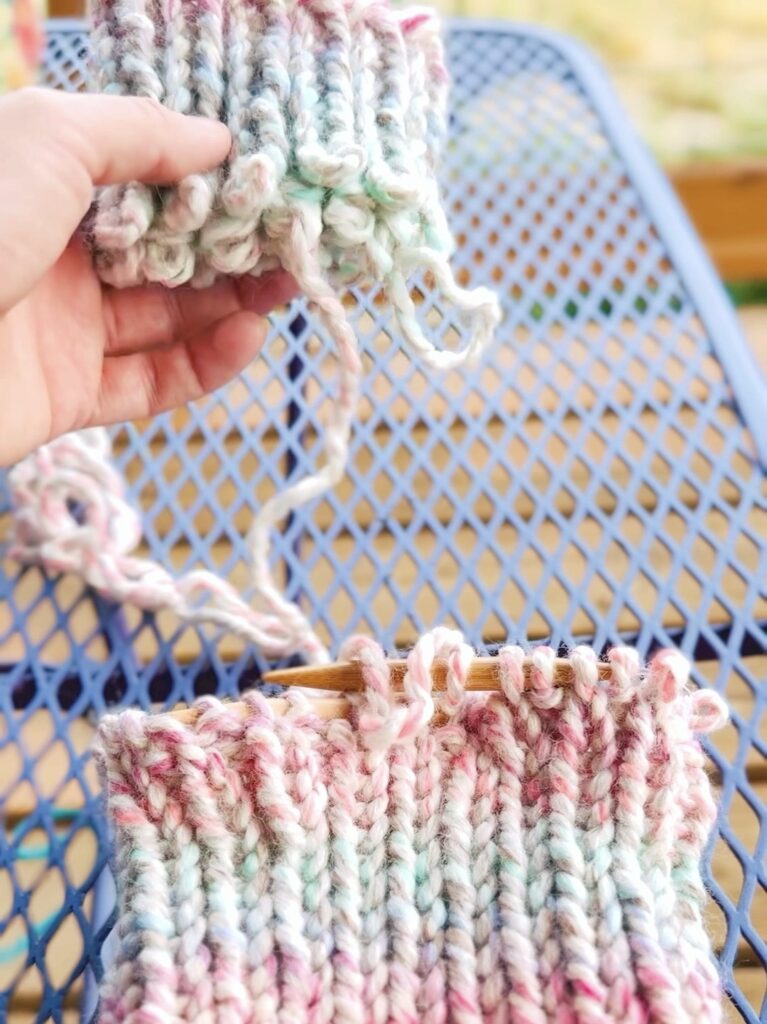
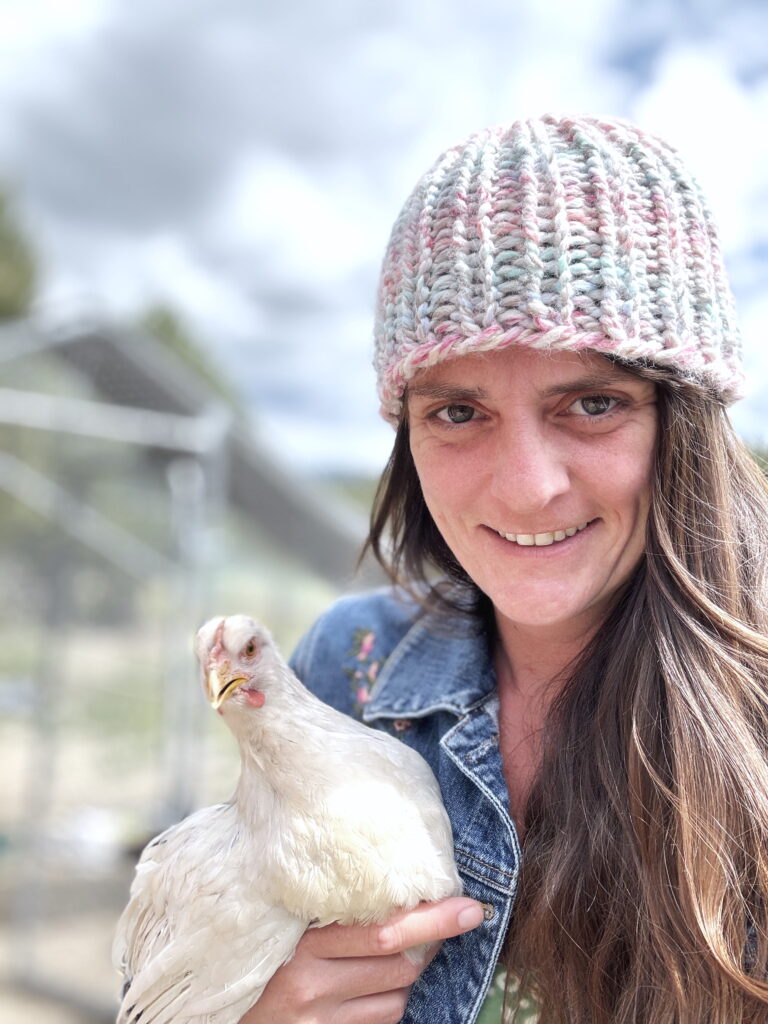
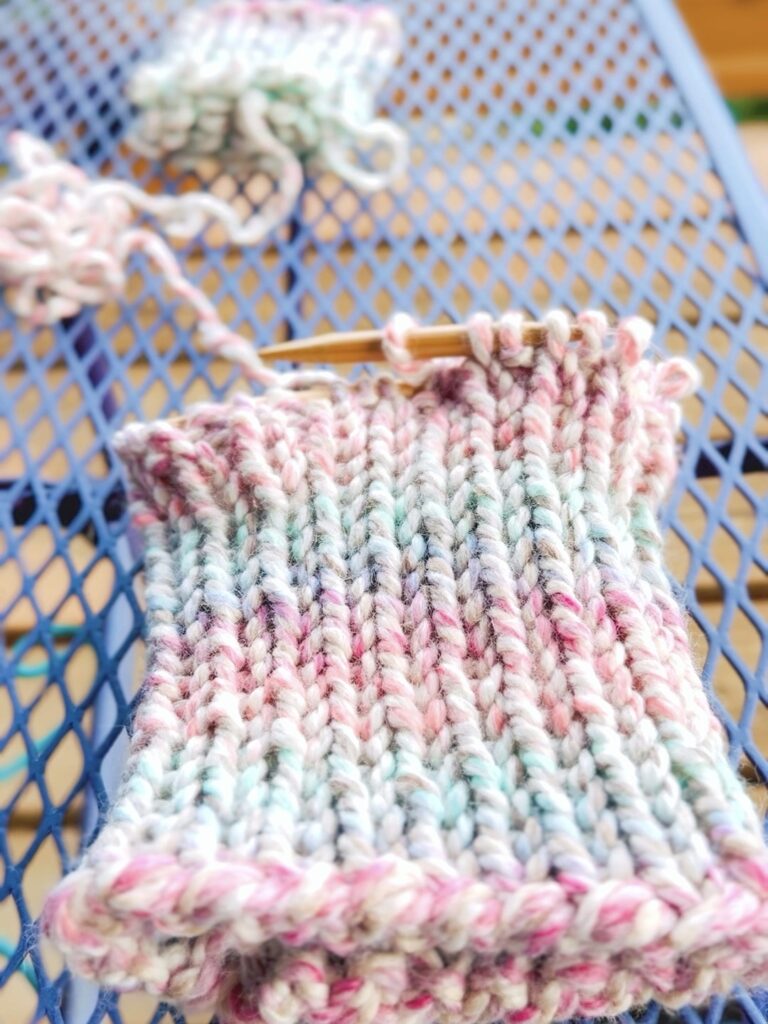
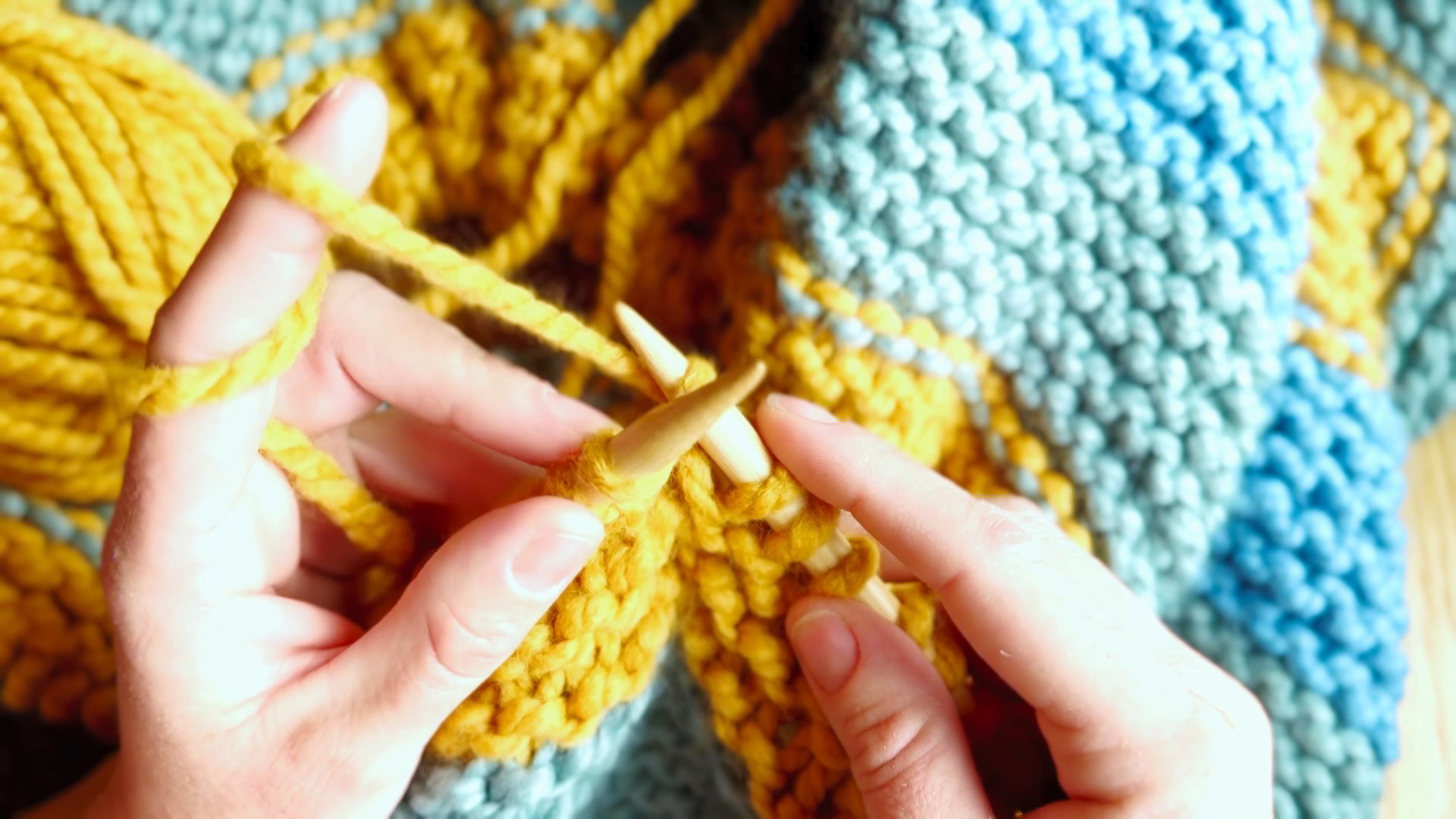
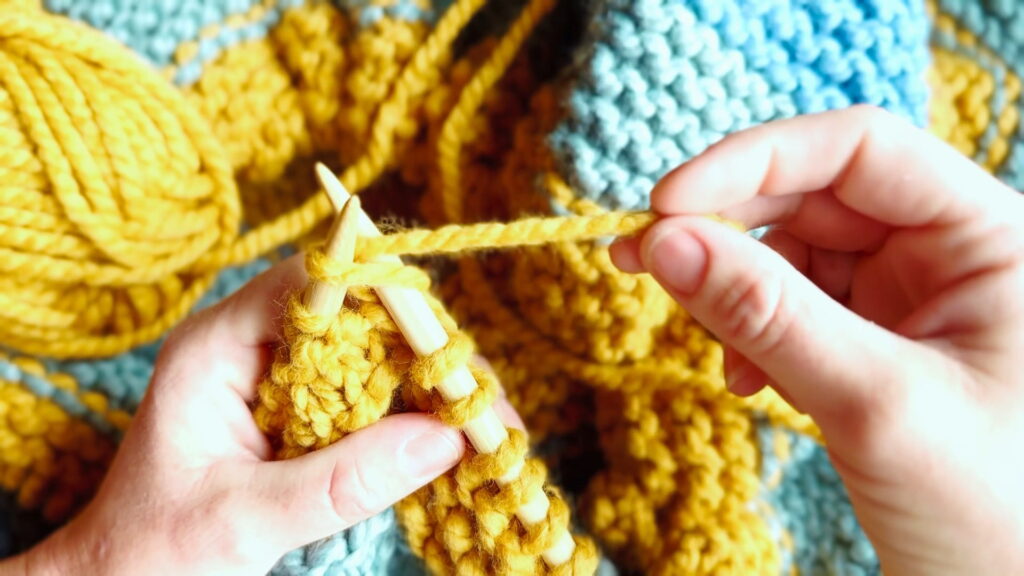
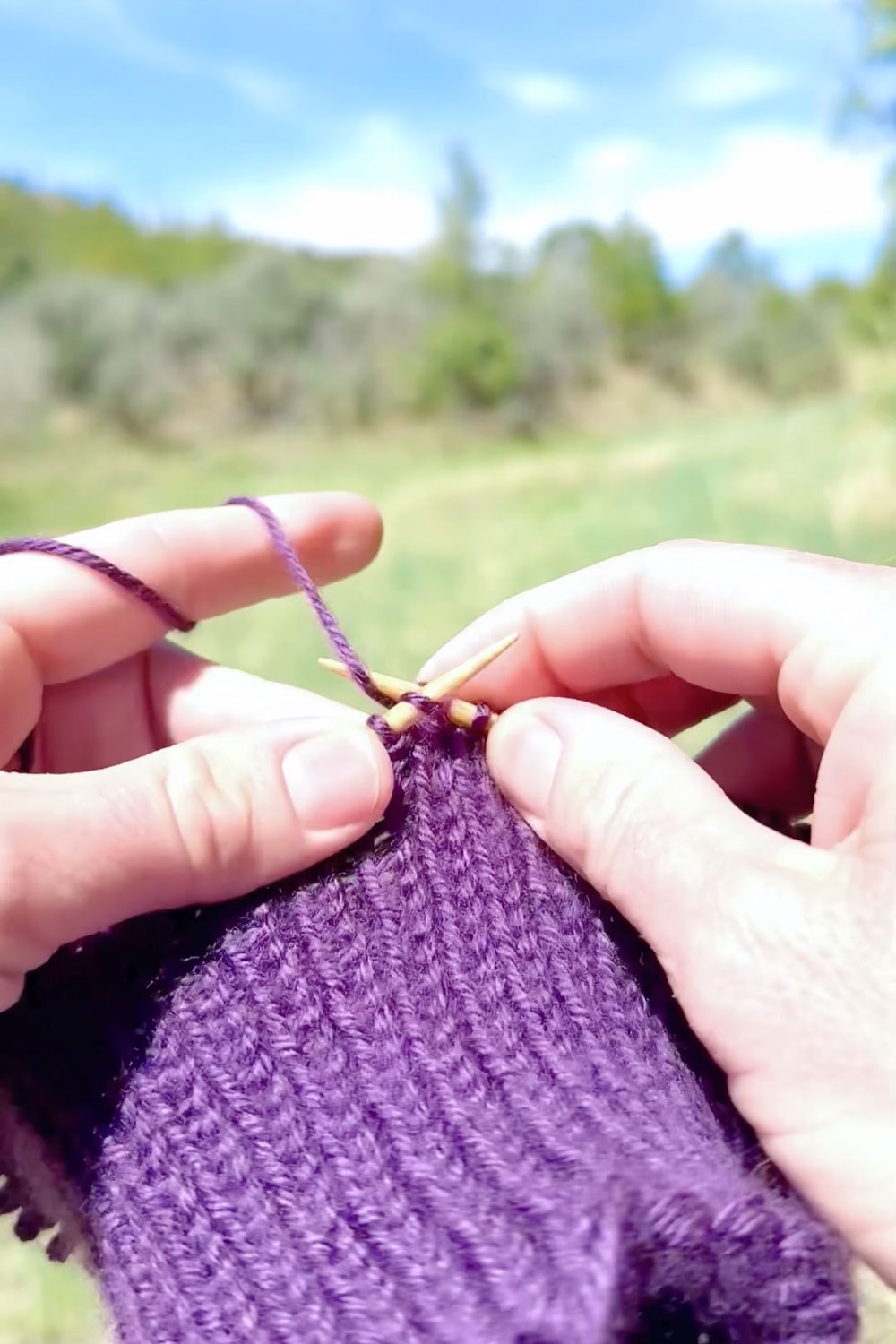
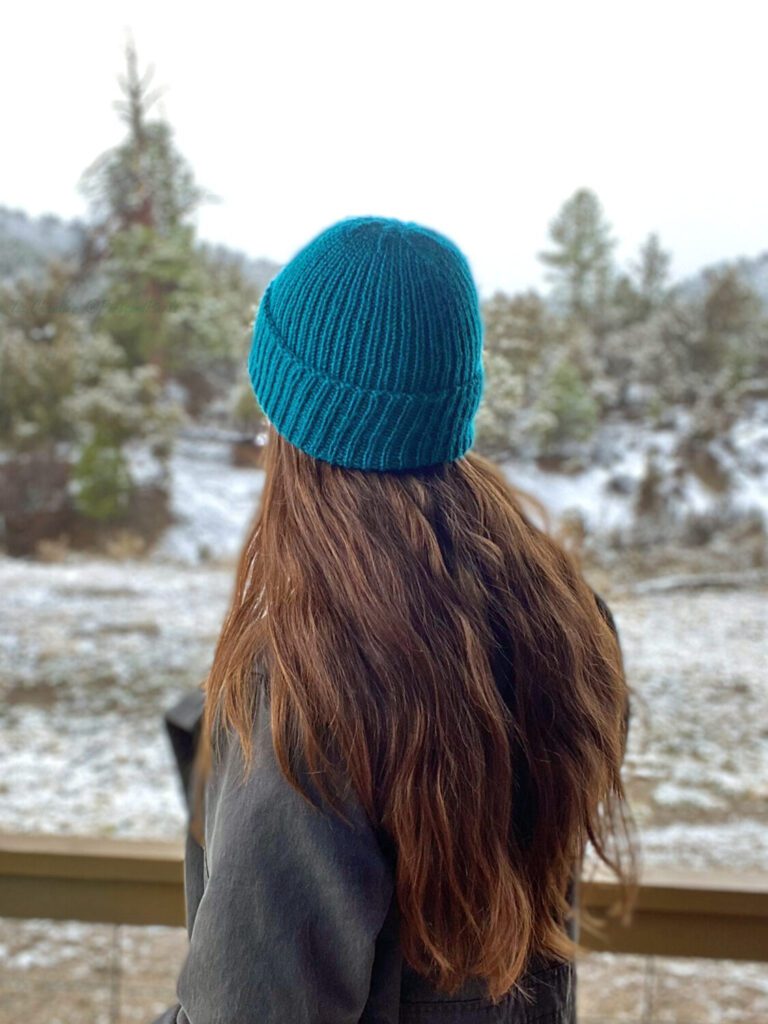
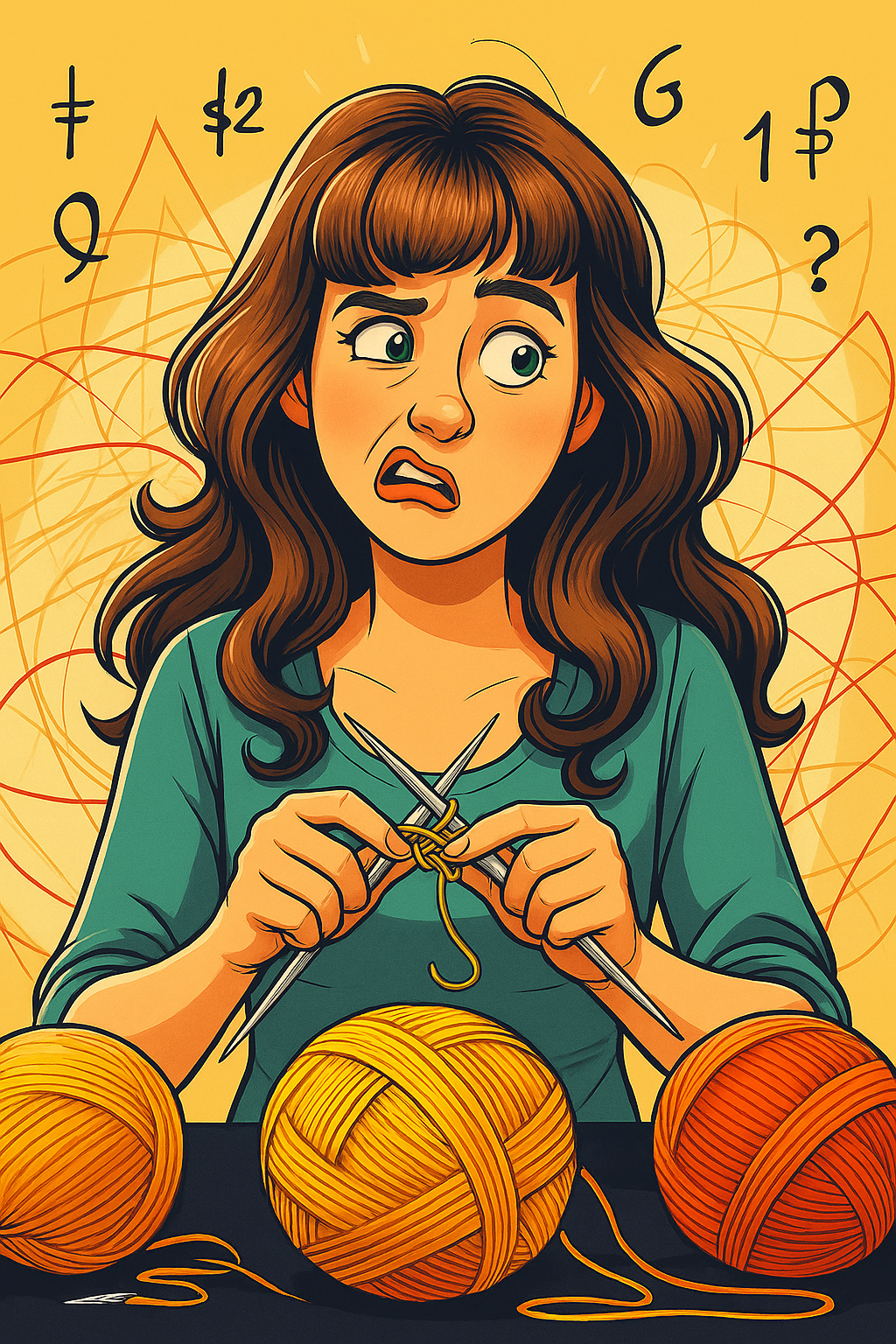
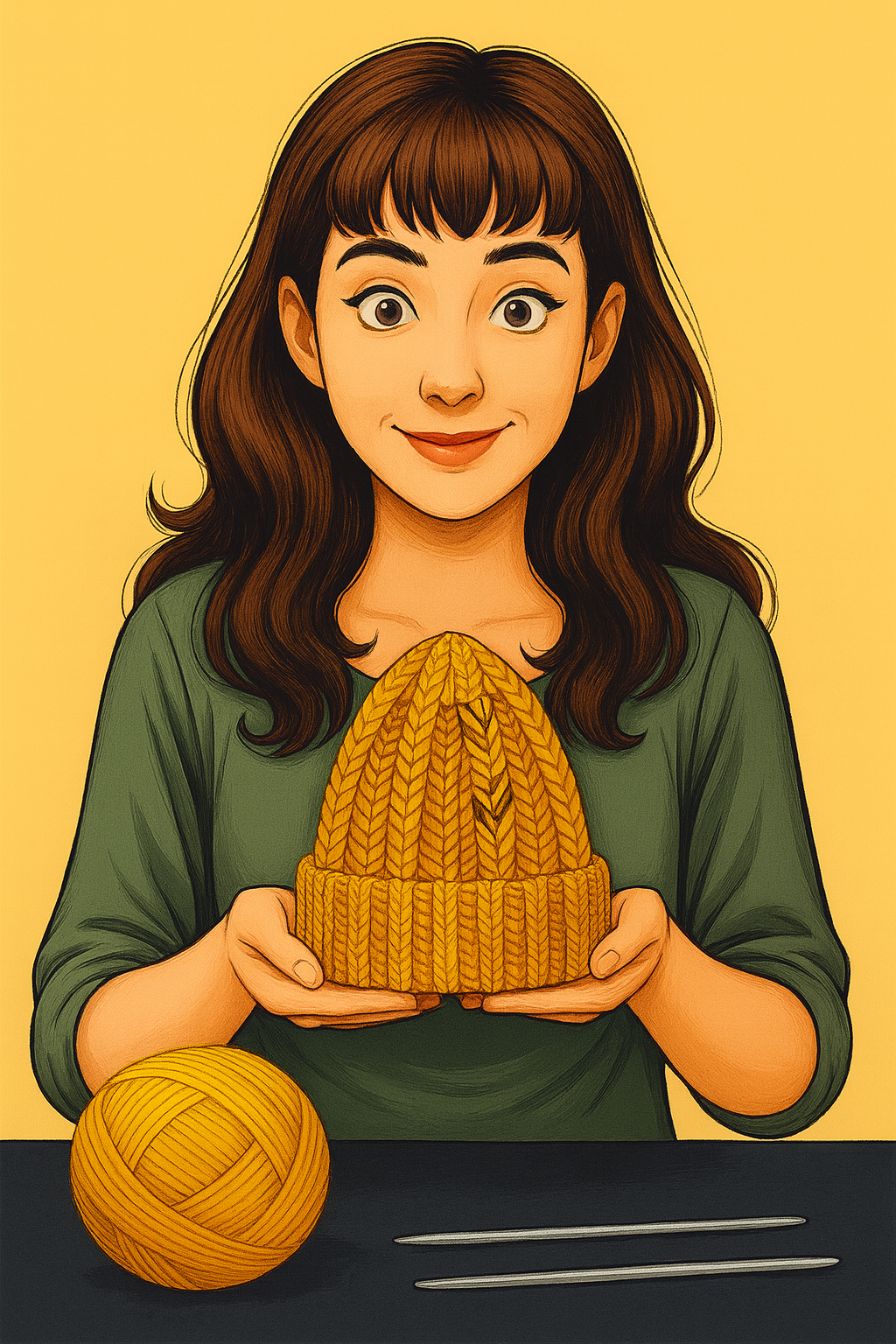
And here’s the best part: the more abbreviations you decode, the less you’ll feel like that frazzled, exasperated knitter at the top of this page… and the more you’ll start to look like the happy knitter at the bottom: project finished, needles down, and a gorgeous hat in hand.

This index will keep growing as the series expands. Every time a new abbreviation post goes live, it’ll show up here, ready for you to decode at your own pace.

👉 Want the complete guide instead of piecing it together clue by clue? Check out my full walkthrough: How to Read Knitting Patterns.

Stay in the Loop

Make this page your bookmark-worthy Rosetta Stone for knitting abbreviations. Or, if you’d rather skip the detective work, join my email list and I’ll send you updates whenever a new abbreviation gets cracked.
Learn knitting abbreviations with Liz Chandler @PurlsAndPixels. Let's knit something amazing!

Patterns You’ll Love

🧶 Quick Chunky Ribbed Beanie : The Fastest Hat Pattern Around

🧣 Easy Chunky Knit Scarf Pattern: A Warm, Wearable Hug

🙏 Gratitude Blanket Pattern: When You Need Extra-Cozy Knitting Joy

🎉 Basic Slouch Hat Pattern: A Versatile Style Option

🔥 Basic Ear Warmer Pattern: Quick Gift-Ready Project

🧹 All Knitting Patterns by Liz: Learn to Knit All the Things

Read More

Don’t Miss a Stitch!

Love cozy knitting projects? Join me on YouTube, Pinterest, and Instagram! And don’t forget to sign up for my newsletter to get more free patterns, helpful tips, and updates straight to your inbox. 💌
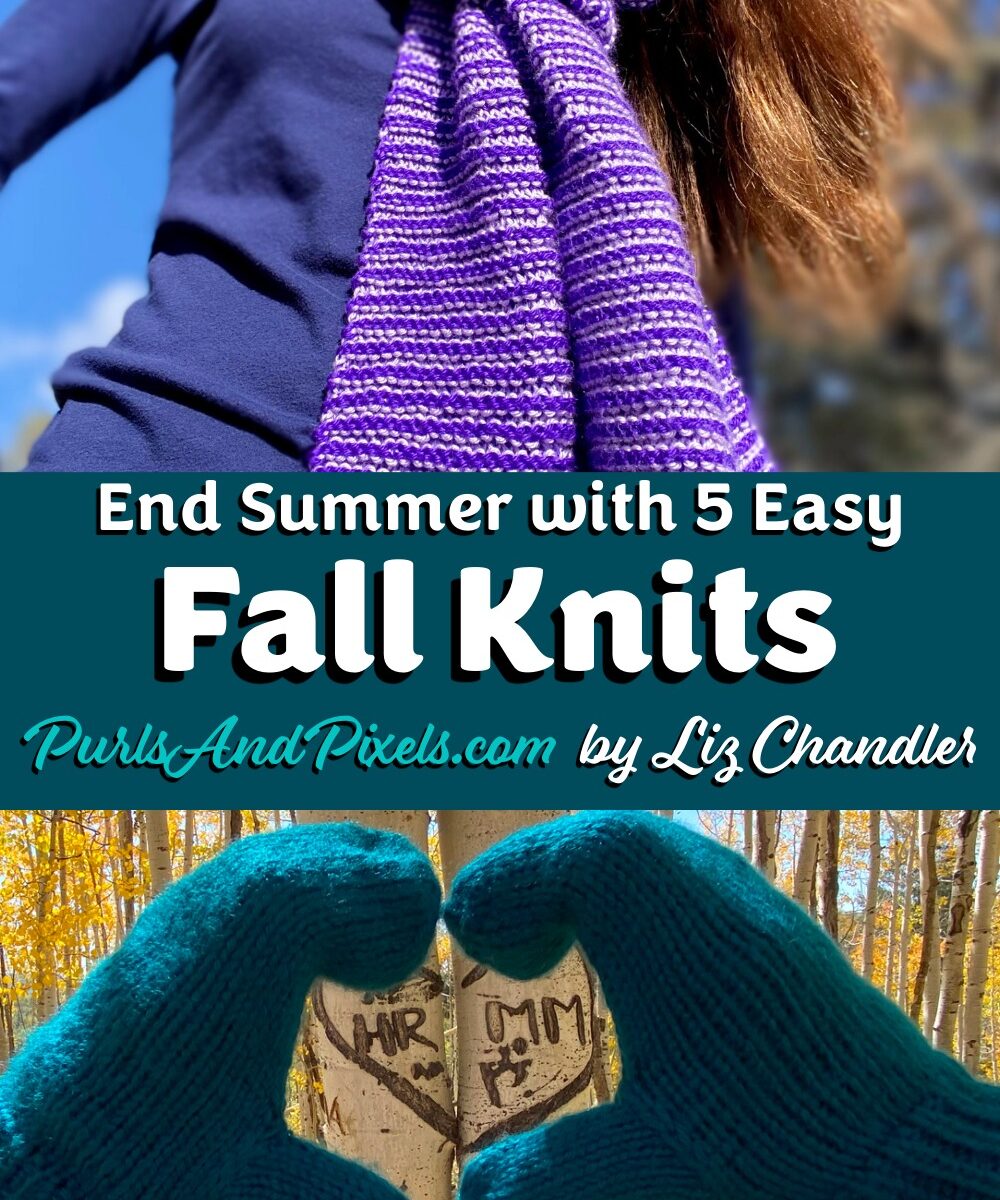
5 Easy Fall Knits to Cast On Now

As summer ends, it's time to think about knitting for cozy handmade fall accessories. Find 5 easy fall knits from Liz @PurlsAndPixels.

Cozy End of Summer Projects from PurlsAndPixels 🍂

Summer is ending and fall is creeping in. Cool mornings, crunchy leaves, and that little voice telling you it is time to knit something cozy! I will admit it: I love fall so much that I like to fast-forward by knitting pumpkin-season projects before the leaves even turn. If you start a late-summer knitting project now, you’ll be bundled in handmade warmth by the time the first pumpkin spice latte hits your hands. Here are five easy, quick, and fun fall knitting patterns from PurlsAndPixels.com that are simple enough to start today and cozy enough to keep you smiling all season.

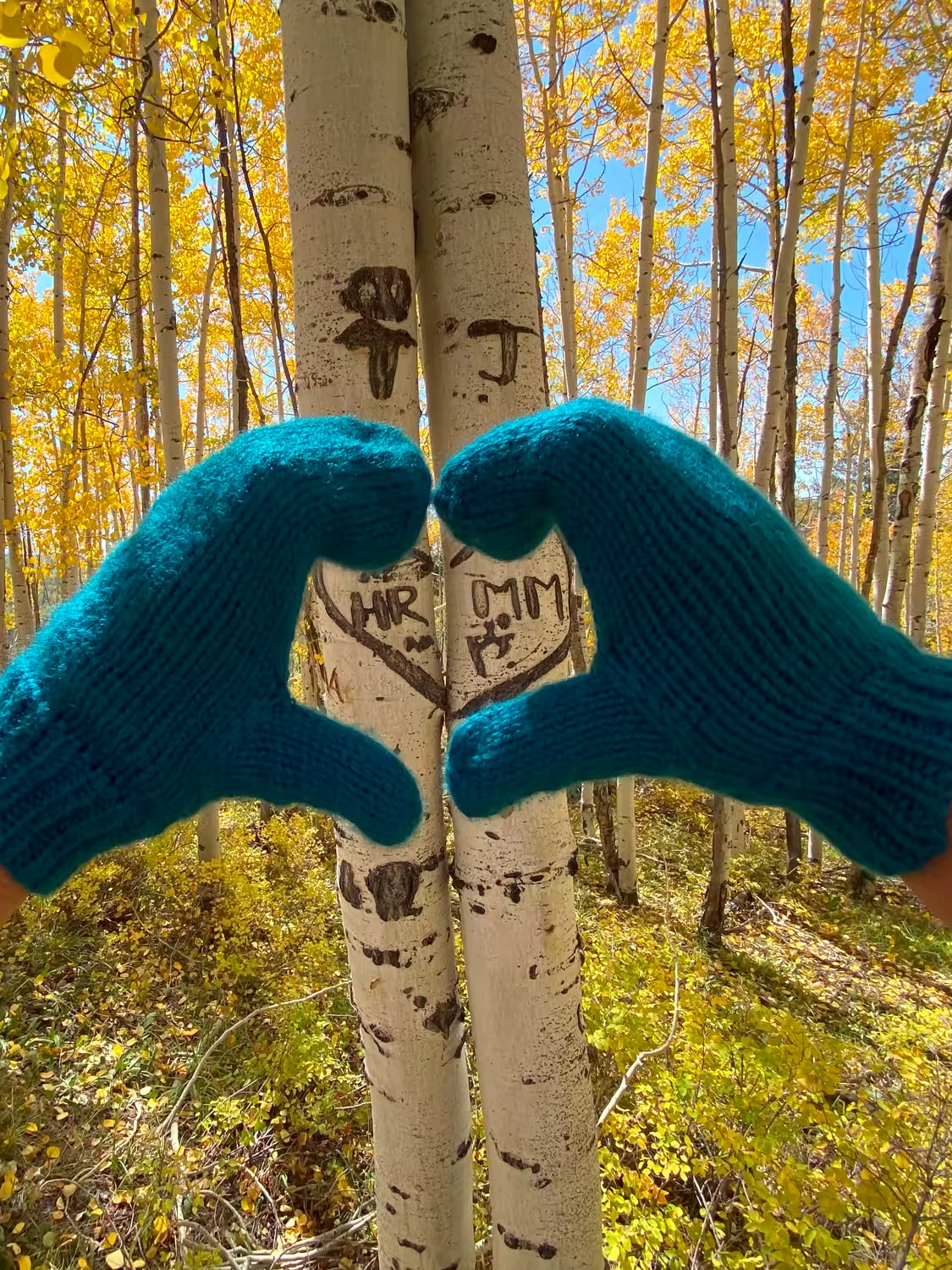
Liz Chandler's Basic Mittens Knitting Pattern is a great way to get started on your fall knits.

1. Easy Chunky Knit Boot Cuffs 👢

Want to look like you have your life together without actually trying? Knit boot cuffs. They are fast, beginner-friendly, and give you instant fall fashion cred. Slip them over your jeans, slide on boots, and you are Pinterest-ready. Bonus: they are easier than remembering which size pumpkin spice latte you ordered. Honestly, these are the little warm-ups I knit while daydreaming about crunchy leaves and cider stands. It is the perfect quick boot cuff knitting pattern to get started with.

👉 Get the Easy Boot Cuff Pattern at PurlsAndPixels.com

Make these Easy Chunky Knit Boot Cuffs in flash with this free & quick knitting pattern from Liz Chandler at PurlsAndPixels.

2. Single-Row Striped Scarf 🧣

Stripes are trending hard, and this scarf is proof you do not need complicated charts to look chic. One row does the trick: no colorwork panic here. Pick moody fall tones or go bold with pumpkin orange and plum purple. Think of it as knitting your own pumpkin patch: without the hay fever. I love starting scarves like this in September so that by October I can wrap myself up and feel smugly prepared for bonfire nights. This striped scarf knitting pattern is one of my go-to fall favorites.

👉 Find the Striped Scarf Pattern at Pattern at PurlsAndPixels.com

Make a ribbed striped scarf to add color to your cold weather outfit. Get the pattern by Liz Chandler @PurlsAndPixels.

3. Ribbed Chunky Hat 🎩

Cold ears? Not on my watch. This chunky ribbed hat knits up faster than you can say “I will just do one more row.” Big needles, fat yarn, and instant gratification: you will have it done before your cider cools down. Perfect for hiding bedhead on those chilly mornings when coffee is not enough. I knit these hats while daydreaming about the first frost, because nothing feels more “fall” than pulling a fresh knit over cold ears. Try this chunky hat knitting pattern for instant cozy vibes.

👉 Get the Ribbed Chunky Hat Pattern at PurlsAndPixels.com

Easy, quick ribbed chunky hat knitting pattern by Liz Chandler @PurlsAndPixels.

4. Simple Mitten Pattern 🧤

Leaf piles, pumpkin patches, apple cider walks: mittens make them better. My simple mitten pattern is easy enough for beginners and cozy enough that you will actually wear them. Knit a pair for yourself, then brace yourself: family members will want them too, and unlike pumpkin pie, you cannot just bake more overnight. I like casting these on in late summer so that when the leaves finally fall, I already have pockets full of warm, handmade comfort. This simple mitten knitting pattern is perfect for first-timers.

👉 Find the Simple Mitten Pattern at PurlsAndPixels.com

Learn to knit Simple Mittens with this knitting pattern from Liz Chandler @PurlsAndPixels

5. Rice Stitch Baby Blanket 🛋️

Want a project that screams cozy but does not scream complicated? Try the rice stitch blanket. It is squishy, textured, and perfect for curling up with tea and Netflix. Knit one square at a time or go all in: either way, it is more satisfying than finishing a fall candle before Halloween. I start blankets early because I know myself: the minute the wind shifts, I want to be wrapped up in something handmade. This rice stitch blanket knitting pattern will keep your needles and your home warm.

👉 Get the Rice Stitch Blanket Pattern at PurlsAndPixels.com

Liz Chandler's Rice Stitch Afghan Throw Blanket Knitting Pattern @PurlsAndPixels

Bonus: Pumpkin Hat and Gloves 🎃🧤

If you are the type who goes all in on pumpkin season (guilty 🙋‍♀️), you will love my pumpkin hat and matching gloves knitting pattern. The hat is cozy and cheeky with its pumpkin-inspired design, and the gloves add the perfect seasonal finish. Whether you wear them to the pumpkin patch or just to sip pumpkin spice at home, this set is pure autumn joy.

👉 Get the Pumpkin Hat and Gloves Pattern at PurlsAndPixels.com

Pumpkin hat and gloves knitting pattern set by Liz Chandler @PurlsAndPixels.

Why Start Now? ⏳

Fall does not wait, and cozy does not knit itself. By starting these projects now, you will be wrapped in handmade warmth just as sweater weather arrives. Plus, chunky knits, stripes, and cozy neutrals are gorgeous knitting trends of 2025, and you can say you were ahead of the curve. I am already casting on because for me, knitting is like hitting the fast-forward button to my favorite season.

What do you knit in the summer? I’ve got a hat on the needles in my cozy pool of sunshine today. ☀️

Stich Summer into Fall

Ready to be the cozy one at the cider stand? Cast on today, during the last days of summer, finish before the frost, and strut into fall wearing knits you made yourself. Every pattern here is waiting for you on PurlsAndPixels.com: because why just buy cozy when you can knit it and sneak a little extra fall into your life early.

More Patterns You’ll Love

🍂 Cozy Up with Fall Knitting: More Fall-inspired Knitting Projects

🧣 Easy Chunky Knit Scarf Pattern: A Warm, Wearable Hug

🙏 Gratitude Blanket Pattern: When You Need Extra-Cozy Knitting Joy

🎉 Basic Slouch Hat Pattern: A Versatile Style Option

🔥 Basic Ear Warmer Pattern: Quick Gift-Ready Project

🧹 All Knitting Patterns by Liz: Learn to Knit All the Things

Read More

Don’t Miss a Stitch!

Love cozy knitting projects? Join me on YouTube, Pinterest, and Instagram! And don’t forget to sign up for my newsletter to get more free patterns, helpful tips, and updates straight to your inbox. 💌
What is Yarn Chicken?

What is yarn chicken? Hint: it has everything to do with yarn and nothing to do with chickens. Find out with Liz Chandler @PurlsAndPixels.

The Bravery Test of the Crafting World 🧶

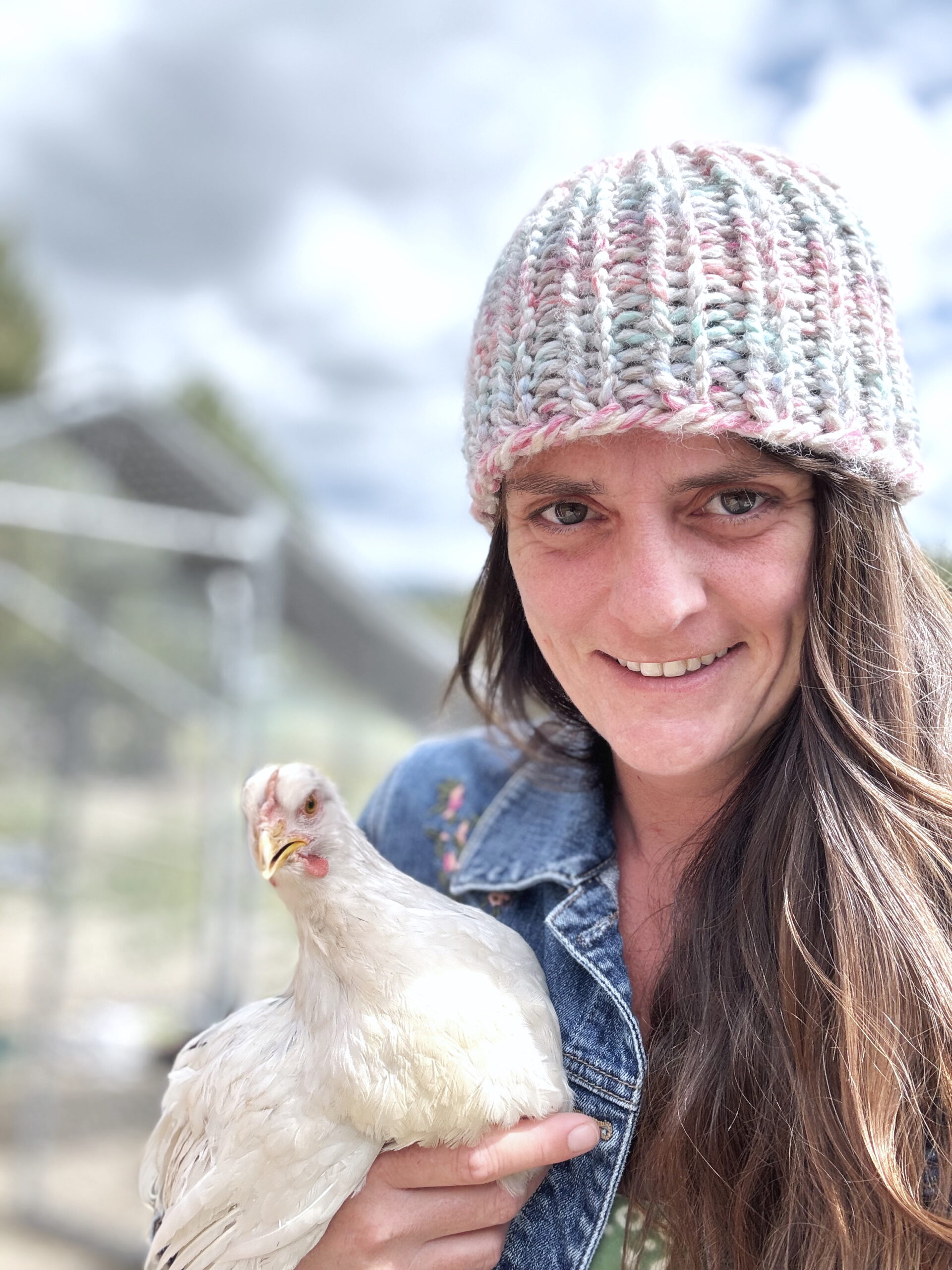
I just played a risky little game. I really wanted a new, quick hat. After rummaging through my yarn stash, I found just the skein I wanted. Instead of being a responsible knitter (weighing my yarn and checking my instructions) I decided to wing it and play yarn chicken. It looked like enough…

I started knitting my hat and it was looking great. I made it nearly to the top, the whole time feeling certain that this would be just enough yarn. But, sadly, I guessed wrong. I ran out just before the top of the hat. 😢

Ever guess you have enough yarn instead of making sure? Then you've played yarn chicken. Read more from Liz Chandler @PurlsAndPixels.

There wasn’t time to go to town for more yarn, and I didn’t want to scrap the hat. So I started digging through my project stash.

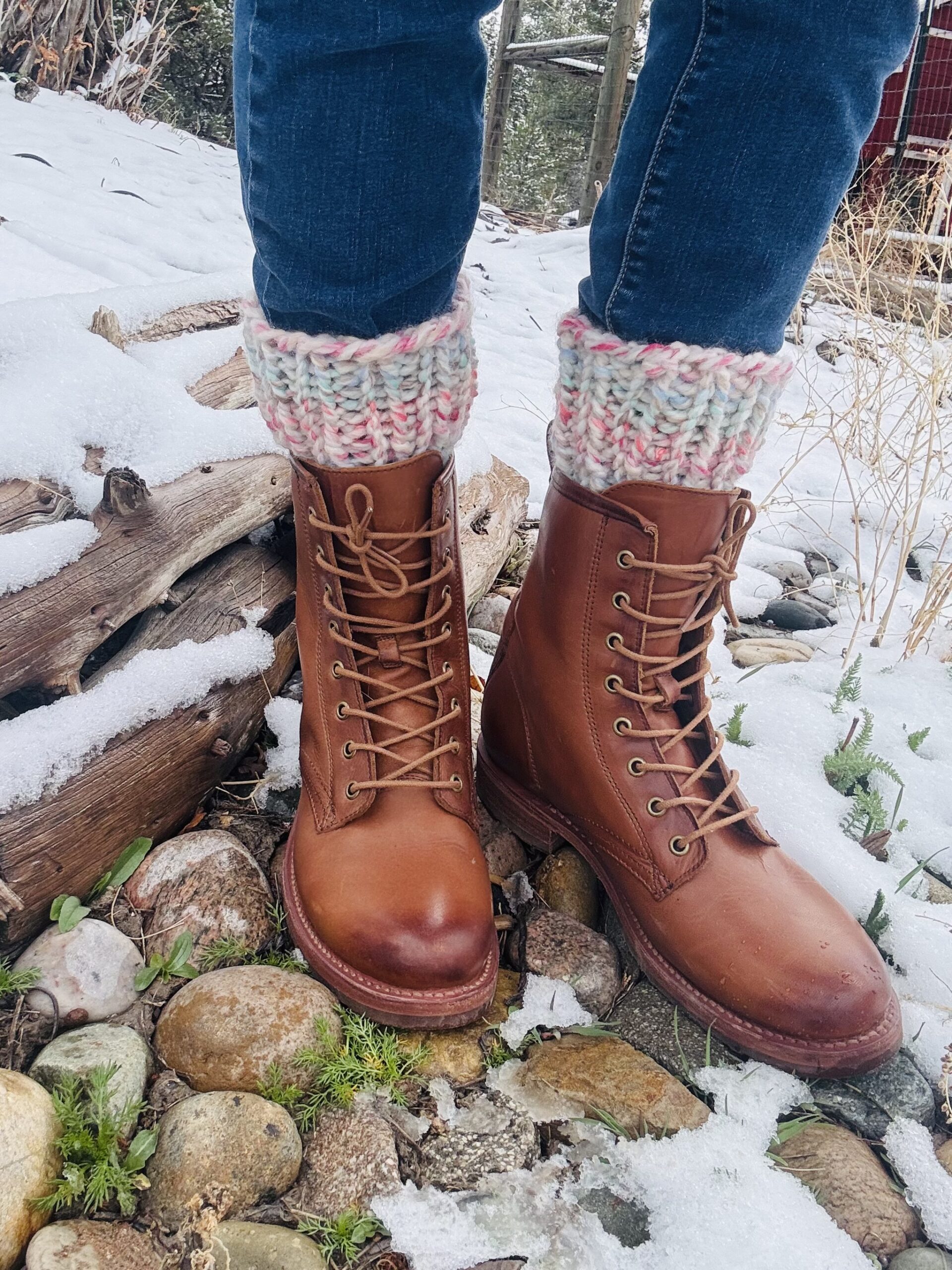
I found a rogue boot cuff with no match. But it was the same yarn. So I unraveled it and tied it into the hat project with a magic knot.

That little, lonely boot cuff, made of matching yarn gave me just enough to finish my hat. That is the heart of yarn chicken: it’s the most reckless game a knitter can play. Sometimes, it is a quiet little win and a happy dance. 💃 Other times, you’ll lose the round and have to pivot.

I had to sacrifice a little boot cuff to finish my hat because I played a game of yarn chicken. Read more from Liz Chandler @PurlsAndPixels.

What is Yarn Chicken?

Hint: it has everything to do with yarn and nothing to do with chickens.

What is yarn chicken? Hint: it has everything to do with yarn and nothing to do with chickens. Find out with Liz Chandler @PurlsAndPixels.

If you have ever heard of the old game of chicken, where teenagers would drive their cars straight at each other to see who would swerve first, then you already get the idea. Yarn chicken is the slower, quieter, far more practical version of that reckless dare. No engines. No headlights. It’s not life and death. It’s just you, your project, and a rapidly shrinking skein of yarn.

Yarn chicken is when you size up your skein with nothing but your gut and a hopeful squint. You skip the scale, bypass the calculator, and knit like you’ve got enough. Because maybe you do. Maybe you don’t. But you’re not stopping to find out. It is part grit, part gamble, and all heart.

Sometimes it works. Sometimes it doesn’t. That is the game.

Why Play Yarn Chicken?

Because you just want to see if you can pull it off. You’re in a groove, you’re not interested in stopping to do math, and that half-used skein looks promising enough. Yarn chicken gives you a chance to lean into instinct instead of spreadsheets.

It is not laziness or forgetfulness. It’s choosing motion over caution, momentum over planning. And yes, once in a while, it’s just more fun this way.

You learn a lot when you play yarn chicken: about yarn, about rhythm, and about how far a single stitch can stretch when it really matters.

Sometimes you win, sometimes you don't when you play a game of yarn chicken. If you lose, make sure you have a backup plan. Read more from Liz Chandler @PurlsAndPixels.

When You Lose

Losing at yarn chicken does not always mean starting over. It might mean improvising. You might unravel something else, work in a stripe, or change the ending of the pattern slightly to use what you have got.

It is not failure. It is flexibility.

I was sure I had enough yarn. I did not. So, I had to frog (unravel) to finish my hat. 🐸 #knitting

If You Want to Avoid It

You can avoid yarn chicken if you:

  • Weigh your yarn before you begin a section.
  • Compare the yardage used in earlier parts of the pattern.
  • Use patterns with detailed estimates (I include them in all my patterns).
  • Swatch and plan precisely.

All of that works. I even recommend it most of the time.

But every now and then, if it feels right, I still play.

To Play or Not to Play

Yarn chicken is not about being careless. It is about reading the yarn, trusting your gut, and being willing to shift gears when the skein runs short. It is about choosing progress over perfection and being bold enough to see how far one strand will take you.

I have lost my fair share. I have torn out rows, patched in stripes, and unraveled forgotten cuffs. But I have also finished with half an inch to spare and felt like a champion.

That’s why I still play.

If you dare to play, you can win yarn chicken. Learn more with Liz Chandler @PurlsAndPixels.

Looking for patterns you can finish without a gamble?

🥳 Ribbed Chunky Hat Free Knitting Pattern: Knit the Hat in this Post (substitute Wool Ease Thick & Quick by Lion Brand Yarn “Carousel” affiliate link)

🥾 Easy Chunky Knit Boot Cuffs Free Knitting Pattern: Make a set of adorable mini leg warmers.

🧶 Explore all the Knitting Patterns written by Liz Chandler: Find something you will love to make.

Don’t Miss a Stitch! 🧶

Love cozy knitting projects? Join me on YouTube, Pinterest, and Instagram! And don’t forget to sign up for my newsletter to get more free patterns, helpful tips, and updates straight to your inbox. 💌

What Is Continental Knitting?

What is Continental Knitting? Learn how to knit with the yarn in your left hand using free lessons by Liz Chandler @PurlsAndPixels.

Continental knitting is simply a way of holding and managing the yarn while you knit. In this method, the working yarn is held in the left hand and guided with the needle to form each stitch. The stitches themselves are no different from those made using other knitting styles; the fabric you create is the same. What changes is how your hands move while you work.

This method is widely used and long established across many knitting traditions. In practical terms, Continental knitting refers specifically to holding the working yarn in the left hand and forming stitches by guiding the yarn with the needle, rather than wrapping it by hand. It often feels intuitive to people who have crocheted before, since crochet also uses left-hand yarn control. Many knitters find that Continental knitting allows for a steady rhythm and even tension once the movements become familiar.

Continental knitting with the yarn held in the left hand while forming stitches on knitting needles.
Continental Style Knitting: Yarn Held in Left Hand
English-style knitting with the yarn held in the right hand and wrapped around the needle to form stitches.
English Style Knitting: Yarn Held in Right Hand

If you want to learn this method step by step, you can start with my free lesson index: Learn to Knit.

Why I Teach Continental Knitting

This is the method I learned from the beginning. I came to knitting from crochet, and holding the yarn in my left hand felt natural right away. It allowed me to pay attention to how stitches were formed and how tension affected the fabric, instead of constantly adjusting my hands.

I teach Continental knitting throughout my lessons because it supports consistent tension and a repeatable hand position. That consistency matters when you are learning. It makes it easier to understand what your stitches are doing and why your knitting looks the way it does.

Continental Knitting vs. English Knitting

Choosing the Right Learning Path

The same Continental knitting technique is used across all of my lessons. What changes between lesson paths is pacing, language, and project size.

  • Adult Learn to Knit Index: Standard pacing, fuller explanations, and adult-sized beginner projects.
  • Kids’ Knitting Guide: Slower pacing, shorter lessons, and kid-friendly projects. This path is also useful for adults who prefer a gentler pace or very visual instruction.

Choose the path that fits how you like to learn. The underlying skills and techniques are the same in both.

Getting Started with Continental Knitting

If you are new to knitting, start with simple, flat projects. These make it easier to focus on tension and stitch consistency without added complexity. Small squares and basic accessories are ideal for learning how your hands and yarn work together.

If you want to build skills in a clear order, these are good starting points:

If you already knit another way and are curious about Continental knitting, give yourself time to learn the movements before deciding whether it suits you. Comfort and consistency matter more than the specific method you use.

Continental knitting is one of several established ways to knit. It is the method used and taught here because it supports clear instruction, steady progress, and practical results.

Continental knitting with the yarn held in the left hand while forming stitches.

Ready to Follow Along

Start with the free, structured lessons in the Learn to Knit Index, which walks you through each foundational skill step by step.

If you prefer a printed reference, see Liz Chandler’s Knitting Guide: Learn to Knit with Practical Patterns, an all-in-one textbook designed for beginners who want a clear, practical guide.

Free Knitting Starter Kit

Liz Chandler's Free Knitting Starter Kit is filled with simple lessons that teach you to knit your first project at PurlsAndPixels.

Learn to Knit, Skip the Overwhelm (and the Urge to Throw Your Yarn) 🧶

Does knitting feel confusing or intimidating? You are not alone. If you are curious about knitting but do not know where to begin, or feel nervous about making mistakes, this free starter kit is made just for you. Whether you are brand new or need a reset after a frustrating experience (like that scarf you accidentally turned into a tangled spaghetti monster), this free knitting starter kit helps you feel confident from your very first stitches.

You will receive a printable pattern, a quick-start cheat sheet, and calm, clear video tutorials that walk you through every step. It is like having a knitting coach in your inbox (without the pressure).

Learn to make the knit stitch, a free knitting tutorial from Liz @PurlsAndPixels.

What You Will Get in the Free Knitting Starter Kit:

  • 🧶 Beginner-Friendly Pattern
    A cozy, practical project designed to teach you as you go. Printable, accessible, and frustration-free.
  • 📋 Quick-Reference Cheat Sheet
    Learn the essential stitches and techniques with a one-page guide you can keep at your side.
  • 📺 Video Tutorials
    Calm, clear instructions filmed in natural light. A relaxed pace and peaceful setting help you follow along with ease.

Why this Free Knitting Lesson Starter Kit Works:

  • I’ve spent more than 10 years helping real people learn practical knitting skills, both online and in person.
  • Thousands of knitters have trusted my tutorials for their gentle pace, no-fluff instruction, and beginner-friendly guidance.
  • I focus on building your confidence so you can relax and actually enjoy knitting.
Learn to bind off, a knitting lesson in the free knitting starter kit from Liz @PurlsAndPixels.

Ready to Start Knitting?

Sign up now, and I’ll send everything straight to your inbox. Your knitting journey starts with clarity, comfort, and maybe even a happy squeal when it clicks into place. Grab your yarn and let’s cast on together!

Join the Free Knitting Starter Kit List 🎁

Get the Free Knitting Starter Kit

Sign up below to have the free pattern, cheat sheet, and video tutorials delivered straight to your inbox! 🧶
No pressure. Just peaceful progress and cozy stitches, one row at a time.

We don’t spam! Read our privacy policy for more info.

About the Creator

Hi! I’m Liz Chandler, the founder of PurlsAndPixels and the author of Liz Chandler’s Knitting Guide: Learn to Knit with Practical Patterns. I create clear, approachable tutorials that help everyday people build real skills. My teaching style blends calm encouragement with lighthearted empathy (all we can do is laugh at our mistakes right?).

Read more about me here.

Learn to knit slouch hats with this knitting pattern from Liz Chandler @PurlsAndPixels

Explore More:

Grow your skills, one peaceful stitch at a time.

Free Beginner Face Scrubby knitting pattern by Liz @PurlsAndPixels.

Don’t Miss a Stitch! 🧶

Love cozy knitting projects? Sign up for my newsletter to get free patterns, helpful tips, and updates straight to your inbox. 💌

Spring Break Knitting

Spring is here and while the kids party I'm over here spring break knitting. Read more from Liz Chandler @PurlsAndPixels.

From Woolly Winters to Cotton and Palm Trees 🌴

Spring break: the season of college kids flocking to beaches, families heading to amusement parks, and, if you’re like me, knitters swapping out thick wool for breezy cotton. Right now, I am knitting a cotton washcloth in front of a palm tree in Arizona. Yes, you read that correctly. While others are sipping umbrella drinks 🍹 and making questionable life choices, I am clicking away with my needles, making the smooth transition from winter knits to spring essentials.

From Cozy to Cool: The Spring Knitting Shift 🧶

Winter knitting is all about survival: bulky scarves, hats you could store snacks in, and blankets that double as emergency shelters. But once the temperatures rise, no one wants to wrestle with a wool blanket in their lap unless they enjoy marinating in their own sweat. Spring knitting is the perfect excuse to lighten things up.

Spring break knitting a cotton dishcloth in front of a palm tree. Get the knitting pattern and lessons from Liz Chandler @PurlsAndPixels.

Enter cotton yarn, the MVP of warm-weather knitting. It is breathable, soft, and perfect for quick projects like washcloths, market bags, and lightweight shawls. I, myself, am working on a ribbed double stripped dishcloth (pattern here).

Knitting with cotton also forces a mindset shift. The dense, structured feel of wool yarn gives way to a looser, more relaxed stitch. It is like going from wearing a parka in the Rockies 🏔️ to lounging in flip-flops under an Arizona palm tree 🌴. You have to adjust your tension, embrace the drape, and accept that cotton knitting does not have the same forgiving stretch as wool. It is a little stubborn… kind of like me when someone tells me knitting is for grandmas. 🙄 (See Knitting Myths Unraveled for my unfiltered opinion on that!)

Liz Chandler of PurlsAndPixels knitting a hat under a palm tree.

🌞 Spring Break, But Make It Knitting

Spring break is traditionally about relaxation, which means your spring knitting projects should follow suit. A cotton washcloth is the perfect project: small enough to toss in a beach bag 🏖️, easy enough to knit while half-watching a sunset 🌅, and practical enough to use later. Plus, let’s be honest, it is a good excuse to knit in warm weather without sweating through a half-finished sweater.

Speaking of unexpected things in the desert, did you know that Lake Havasu City is home to the original London Bridge? 🌉 Yes, the one from the nursery rhyme. A businessman in the 1960s decided to ship the whole thing from England to Arizona, because why not? It is now a tourist attraction, spanning a canal where spring breakers cruise by on jet skis. Meanwhile, I am over here knitting a washcloth and admiring a piece of British history in the Southwest. Not exactly a wild spring break story, but if you ask me, a stress-free afternoon with my knitting needles beats a sunburn and regret any day.

The Takeaway: Seasonal Knitting Wins 🌷

Transitioning from winter knitting to spring knitting is not just about yarn choice. It is about embracing the season, shifting to smaller, lighter projects, and letting your knitting patterns match your environment. Whether you are knitting in Arizona, on a road trip 🚗, or in your backyard with a fresh breeze 🍃, the key is to keep it simple and enjoyable.

So, if you find yourself swapping wool for cotton yarn and trading in cable knitting needles for a mindless garter stitch, welcome to the club. Spring break knitting might not be mainstream, but neither are we, and honestly, that is what makes it fun. 🎉🧶

Learn to Knit Index: All My Free Online Knitting Lessons Gathered In One Place

Liz Chandler’s Knitting Guide: Learn to Knit with Practical Patterns (a hardcover book)

Don’t Miss a Stitch! 🧶

Love cozy knitting projects? Sign up for my newsletter to get more free patterns, helpful tips, and updates straight to your inbox. 💌
Upgrade Your Knitting: Best Worsted Weight Yarn Substitutes (2025)

Upgrade Your Knitting: Best Worsted Weight Yarn Substitutes (2025) Liz Chandler's Guide @PurlsAndPixels.

Why Upgrade Your Yarn? 🧶

If you’re anything like me, you probably started out with budget-friendly acrylic yarns like Caron Simply Soft. They’re easy to find, affordable, and great for learning. But as I delved deeper into knitting, I discovered a world of yarns that can elevate projects from “nice” to truly special. And there is a vast world of worsted weight yarn substitutes to explore.

Malabrigo Rios is my favorite substitute for Caron Simply Soft Yarn. The soft merino wool is an amazing upgrade. Learn more with Liz Chandler @PurlsAndPixels.

I’ve experimented with various fibers, textures, and brands, and let me tell you, switching up your yarn can completely transform the feel of your finished piece. If you’re ready to upgrade your stash and explore options with better texture, durability, and stitch definition, here are my top worsted-weight recommendations!

Switching out the yarn brand can create a unique look on even the most simple patterns. Find yarn suggestions from Liz Chandler @PurlsAndPixels.

Note: As the creator of PurlsAndPixels and author of “Liz Chandler’s Knitting Guide,” I’m committed to sharing honest recommendations and celebrating the evolving craft of knitting. These are yarns I personally love and use in my own knitting, but I have no direct affiliations with the companies. However, this post does contain Amazon affiliate links to help keep my content going – full transparency!

Quick Yarn Comparison Guide (Organized by Price and Quality)

Yarn NameFiber ContentBest ForPrice Range
Caron Simply SoftBasic AcrylicBeginner Projects$
Lily Sugar’n Cream100% CottonKitchen Items$
Lion Brand Wool-EaseWool/Acrylic BlendEveryday Items$
Lion Brand 24/7 Cotton100% CottonSummer Wear$
Patons Classic Wool100% WoolEveryday Wear$$
Lion Brand HeartlandPremium AcrylicCozy Sweaters$$
Knit Picks Wool of the Andes100% Highland WoolTraditional Woolens$$
Malabrigo Rios100% Superwash MerinoSpecial Projects, Gifts$$$
Madelinetosh Vintage100% Superwash MerinoLuxury Garments$$$
Brooklyn Tweed Shelter100% American WoolHeirloom Knits$$$
Ancient Arts YarnVarious Artisanal FibersUnique Keepsakes$$$

Best Budget-Friendly Yarn Alternatives ($)

Lion Brand Wool-Ease (Wool/Acrylic Blend)

✔ Soft and easy to work with
✔ Beginner-friendly wool option
Great for: Basic Slouch Hat Knitting Pattern

Lily Sugar’n Cream (100% Cotton)

✔ Durable and machine washable
✔ Great for dishcloths and summer projects
Great for: Double-Stripe Ribbed Washcloth Knitting Pattern

Mid-Range Yarn Upgrades ($$)

Patons Classic Wool (100% Wool)

✔ Excellent stitch definition
✔ Perfect for cozy accessories
Great for: Twisty Cable Ear Warmer Headband Knitting Pattern

Lion Brand Heartland (Premium Acrylic)

✔ Ultra-soft with a heathered finish
✔ Machine washable and low-maintenance
Great for: Chunky Beanie Hat Knitting Pattern

Premium Yarns on Amazon ($$$)

Malabrigo Rios (100% Superwash Merino) – My Top Pick!

✔ Buttery soft and hand-dyed
✔ Excellent stitch definition, perfect for gifts
Great for: Simple Mitten Knitting Pattern

Luxury Yarns Worth Seeking Beyond Amazon ($$$)

Madelinetosh Vintage (100% Superwash Merino)

✔ Rich, hand-dyed colors with incredible depth
✔ Perfect for luxury garments and statement pieces

Brooklyn Tweed Shelter (100% American Wool)

✔ Woolen-spun for lightweight warmth
✔ Stunning texture, ideal for heirloom knits

Ancient Arts Yarn (Artisanal, Hand-Dyed Fibers)

✔ Unique colorways, supports independent dyers
✔ Great for meaningful gifts and custom projects

Substituting yarn in knitting patterns, reading knitting patterns with Liz Chandler @PurlsAndPixels.

FAQs

Q: What is your favorite luxury worsted weight yarn substitute?
A: My absolute favorite luxury yarn is Malabrigo Rios! It is incredibly soft, hand-dyed, and has stunning stitch definition.

Q: Will these yarns work with your patterns?
A: Absolutely! Most of my patterns are designed for worsted weight yarn. These worsted weight yarn substitutes can elevate simple knits into heirloom pieces!

Q: How do I care for premium wool yarns?

  • Hand wash in cool water with wool-safe soap
  • Lay flat to dry
  • Store in a cool, dry place
  • Add a cedar sachet to keep moths away

Let’s Talk Yarn!

I’m always on the lookout for amazing yarns to try! Do you have a favorite worsted-weight yarn that you swear by? Whether it’s an old favorite or a new discovery, I’d love to hear your recommendations. Drop a comment below and let me know what makes it special! 🧶✨

Ready to knit? Grab a copy of Knitting the Simple Things (a glossy hardcover with 15 classic worsted-weight knitting patterns in sizes for everyone). Or, dive into your own pattern writing with my beautiful knitting journals to track your making journey!

Happy crafting,
Liz 🧶

💌 Don’t miss a stitch. Subscribe to my newsletter for exclusive patterns, homesteading tips, and special offers.

How to Knit a Scarf

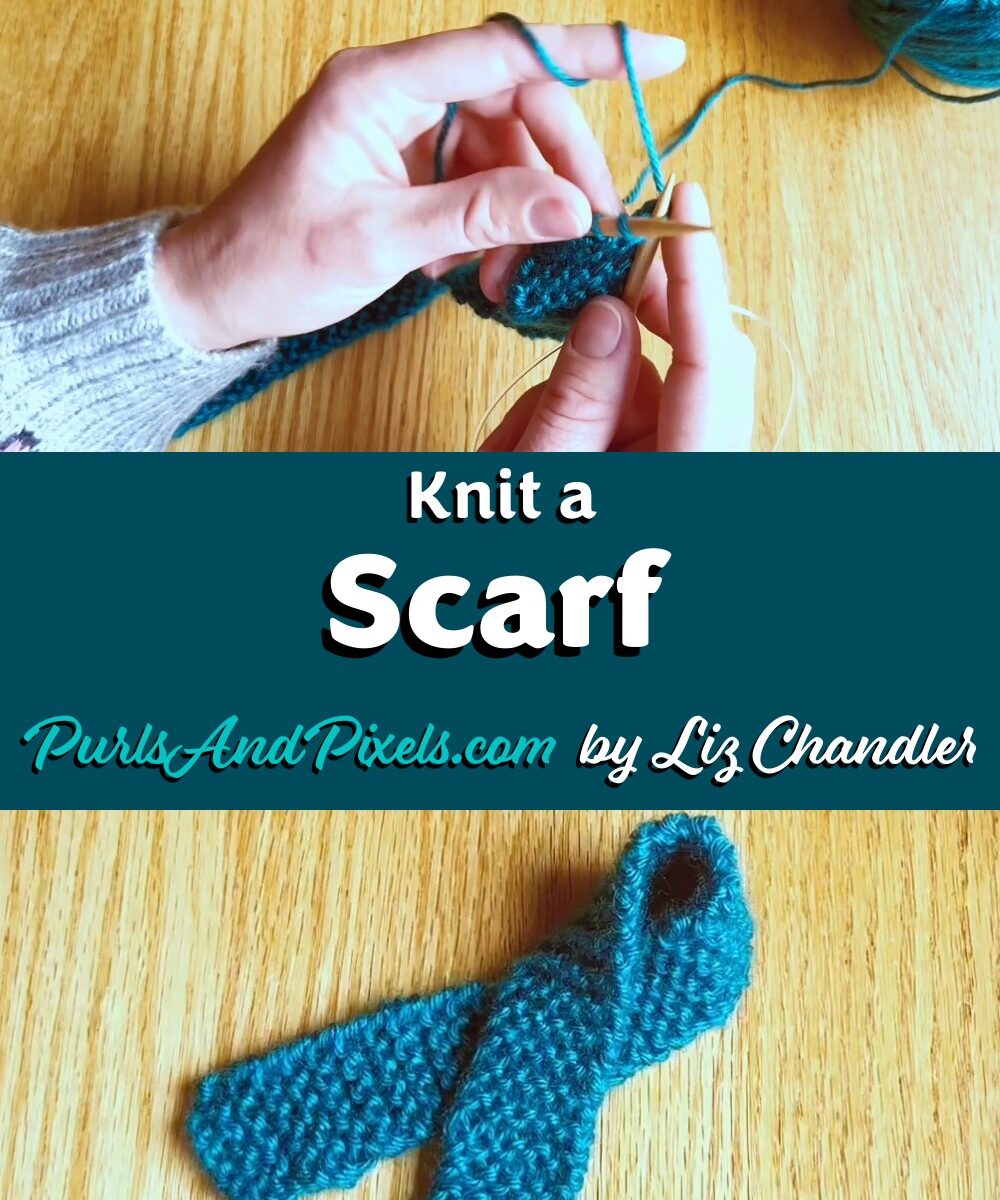
Learn to knit a scarf from start to finish in Liz Chandler's knitting lesson.

Knitting a scarf is a beginner-friendly knitting skill that teaches the basic motions used in many projects. In this lesson you will learn how to cast on, knit rows, and bind off so you can complete your first scarf.

Liz Chandler wearing a beginner knit scarf she made from blue yarn.

Knit with Liz Chandler @PurlsAndPixels 🧶

If you want to learn how to knit a scarf, you are in the right place. This beginner scarf lesson uses the garter stitch (knit every row), which makes it one of the safest first knitting projects. You will practice the core skills used in many patterns, including casting on, knitting rows, turning your work, binding off, and finishing loose ends.

Before You Start

  • Skill level: Beginner
  • Time needed: Several short knitting sessions
  • What to expect: Your first rows may look uneven. This is normal and improves with practice.
  • Goal: Practice steady knitting and finish your first full-length project.

In the video, I knit the mini scarf so you can see the full process without watching a long project from start to finish. The skills are the same for every scarf size. To make a larger scarf, you will cast on more stitches, or knit more rows.

The PurlsAndPixels learning method: each project introduces one new skill at a time. Everything else stays familiar, so you can build confidence without feeling overwhelmed.

Beginner Scarf Knitting Pattern (open in a new tab, or print it out)

Watch the full process here, or keep reading to see each step broken down.

How to Knit a Scarf 🧣 Beginner-Friendly Step-by-Step Tutorial

Skills Used in This Lesson

Before you start, you should be familiar with these skills. If any are new, review those lessons first. Each skill is quick to learn and makes this project much easier.

Cast-On

Turn Your Work

Knit Stitch

Bind Off

Weave in Loose Ends on Flat Knits

Materials Needed to Knit a Beginner Scarf

Yarn to Knit Scarves

One or two (2) 315-yard/6 ounce skeins of Caron Simply Soft yarn in your choice of color (in the video I use the color “Pagoda“).

  • one mini scarf uses 10.5 yards (0.2 ounces)*
  • one standard scarf uses 304.5 yards (5.8 ounces)*
  • one extra-wide scarf uses 420 yards (8 ounces)*

*Weights estimated with Caron Simply Soft yarn; other yarn weights may vary.

Knitting Needles for Beginner Scarves

Knitting Needles:
36-inch (91 cm) long US No. 8 (5 mm) circular needle (or size needed to obtain gauge)

Or 9-inch (23 cm) long US No. 8 (5 mm) straight needles (or size needed to obtain gauge)

Notions to Finish Knit Scarves

How to Knit a Scarf

Step 1: Cast On Your Stitches

Cast on Row 1. This is how you add stitches to your needle to begin the scarf.
For the mini beginner scarf, use the long-tail cast-on method to put 6 stitches on your needles.

🎥 Watch: How to Start Your Knitting – The Long-Tail Cast On for Beginners

Step 2: Turn Your Work

When you reach the end of your row, turn your work so the needle with stitches is back in your left hand and you are ready to knit the next row.

🎥 Watch: How to Turn Your Work in Knitting for Beginners – What to Do at the End of a Row

Step 3: Knit Every Row (Garter Stitch)

Begin knitting rows to build the scarf. This pattern uses the garter stitch, which means knitting every stitch in every row.

  • Row 2: Knit across all 6 stitches.
  • Repeat Row 2 until scarf measures 12 inches (30 cm), or your desired length.
  • To change the width, cast on more or fewer stitches. To change the length, knit additional rows.

If your stitches look uneven, continue knitting. Most first projects improve naturally as your hands learn the motion. If something looks wrong, read When Something Looks Wrong in Your Knitting.

🎥 Watch: How to Make the Knit Stitch

Step 4: Bind Off

When your scarf is as long as you want it, bind off to secure your stitches.

🎥 Watch: How to Take Knitting Stitches Off the Needles – Bind Off Knit Stitches

Step 5: Finish Loose Ends

Use a darning needle to weave in loose ends. This secures the yarn tails and gives your scarf a clean finish.

🎥 Watch: How I Weave in and Tie Off Loose Ends on Flat Knitting

Troubleshooting Tips

Small inconsistencies are expected in a first project. Focus on keeping your stitch count correct; appearance improves naturally with practice.

Care Instructions

Completed beginner knit scarves made in garter stitch laid on a table.

What You Learned From This Project

  • cast on stitches to begin a flat project
  • knit rows in the garter stitch
  • keep stitch count steady
  • bind off to secure live stitches
  • finish loose ends for a clean edge

You Completed a Beginner Scarf 🎉

Your handmade scarf is practical for everyday wear, gift-giving, and skill practice. If you want to keep building your skills, the next projects below each add one new skill while keeping the stitches familiar.

Continue Learning: Your Next Projects

If you want another scarf right away, try one of these next:

🧶 Easy Chunky Knit Scarf
School Colors Scarf
🌿 Ribbed Scarf
💫 Slipped Stitches Scarf
🎨 Single-Row Striped Scarf

Learn the full beginner system: You can keep learning to knit for free at PurlsAndPixels, or follow the complete structured beginner path in Liz Chandler’s Knitting Guide: Learn to Knit with Practical Patterns.

Don’t Miss a Stitch! 🧶

Want more free beginner lessons, patterns, and practical tips? Sign up for my newsletter to get updates straight to your inbox. 💌