Stupid Smartphones

Someone please take my smart phone away. I'd like a digital detox and some real freedom. Read more from Liz Chandler @PurlsAndPixels.

The Tech Trap and My Mini-Digital Detox Tips 📵✨

Here is the truth: I hate my so-called “smart” phone. Everyone treats it like a lifeline, but to me, it feels more like a leash. It is supposed to connect me to the world, yet it mostly makes me slower. Instead of thinking for myself, I tap a screen and wait for the answers to appear. Instead of enjoying the quiet click of knitting needles, the smell of bread baking, or the calm of watering plants, I stack pressure I do not need. I take photos of every row, snap shots of every loaf, and churn out “content” for half a dozen platforms before the moment even cools in my hands.

Simple joys used to be my pause button. Now they feel like a book report. Someone please take my smart phone away from me.

Always On, Never Free

Some days it feels like I am on call for the internet. Miss a call? People think I have disappeared. Do not answer a text in five minutes? Someone is convinced I am gone. Meanwhile, my cousin tracks me like I am a tagged sea turtle (and while it is nice that someone cares I am alive, it also means I am never truly unattended). The “freedom” of being connected everywhere really just means I am never left alone.

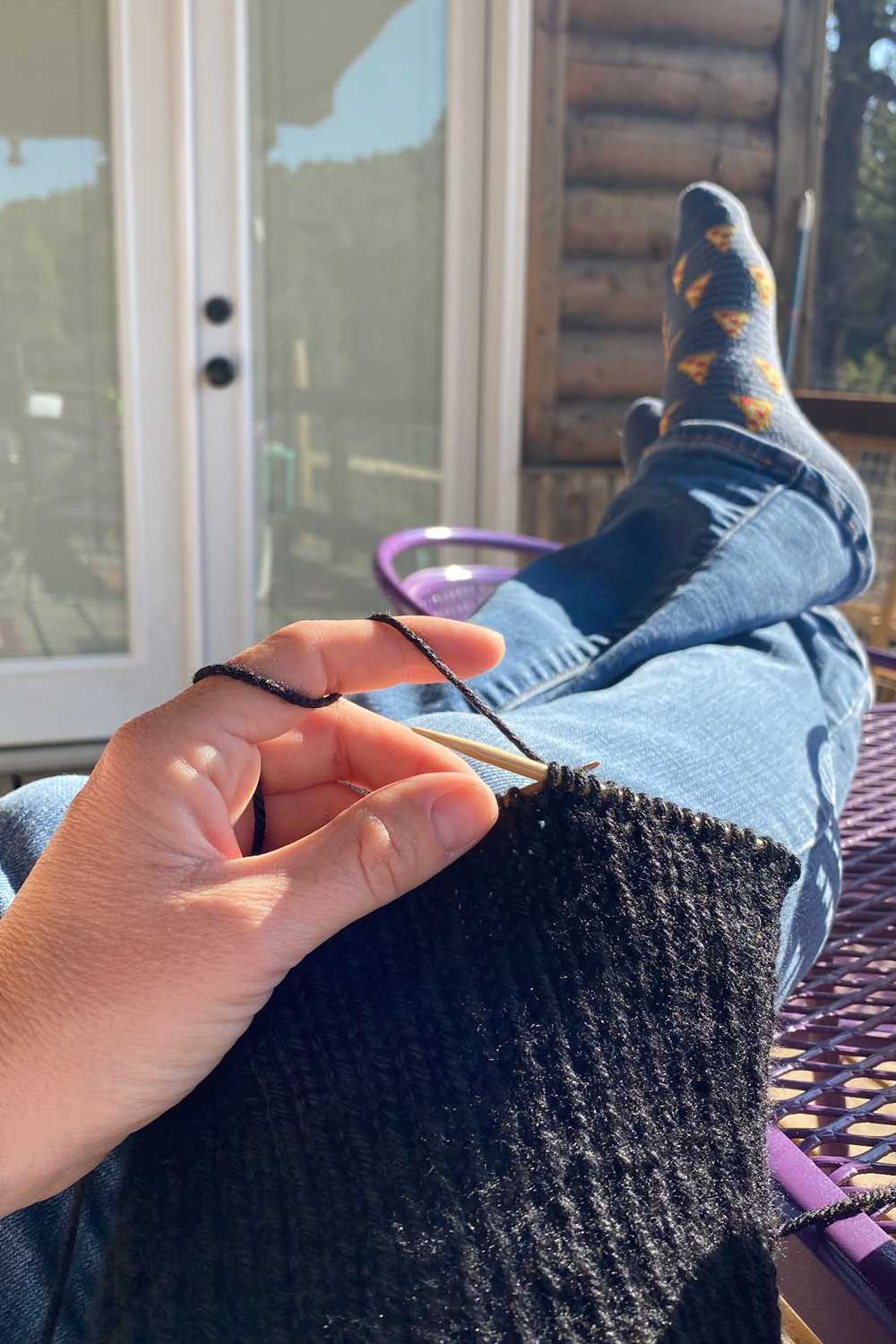
I want to knit on my porch without guilt. I want to cook dinner without someone buzzing in my pocket. I want to just be. I want to hear silence instead of the constant ding of reminders telling me I am behind.
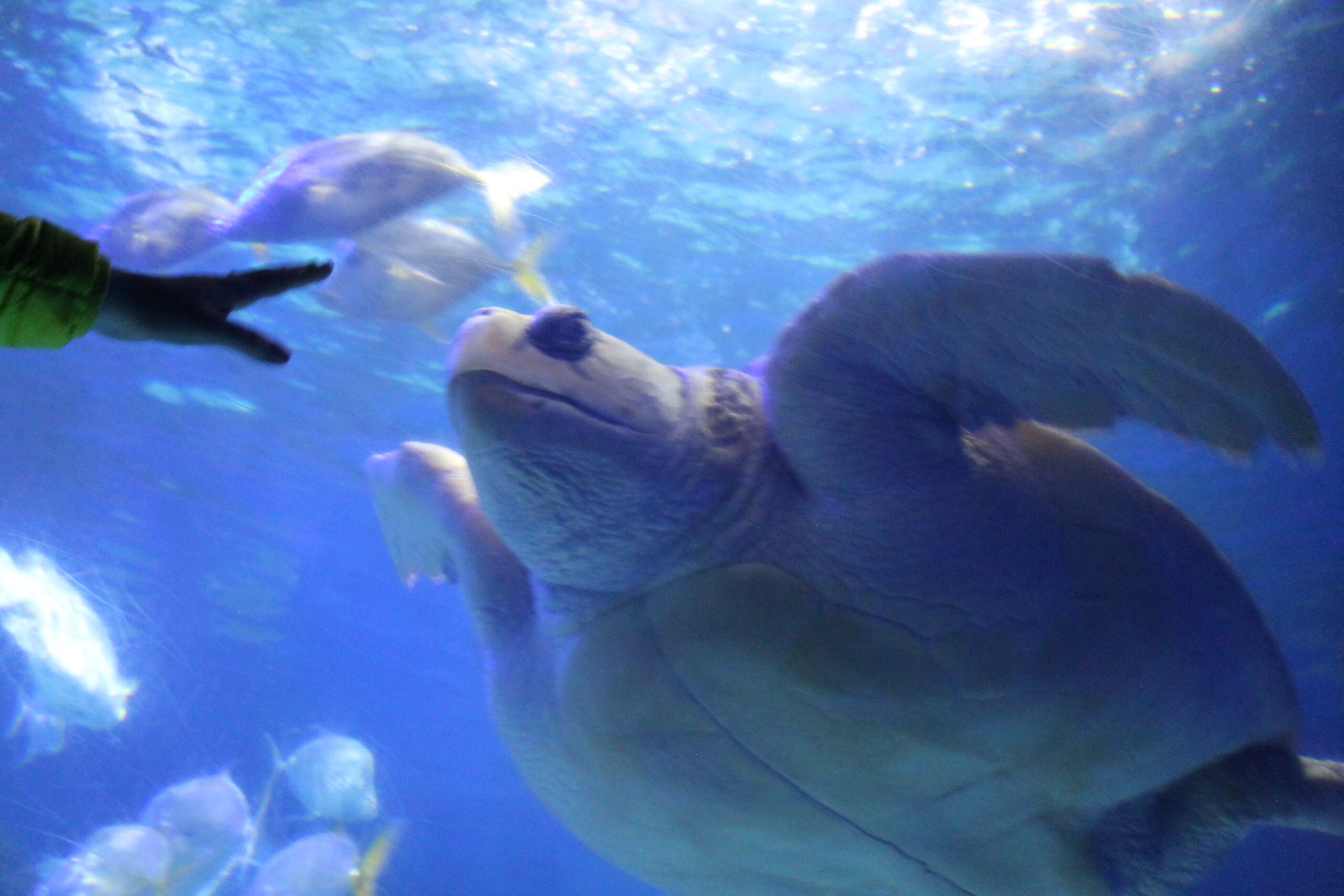
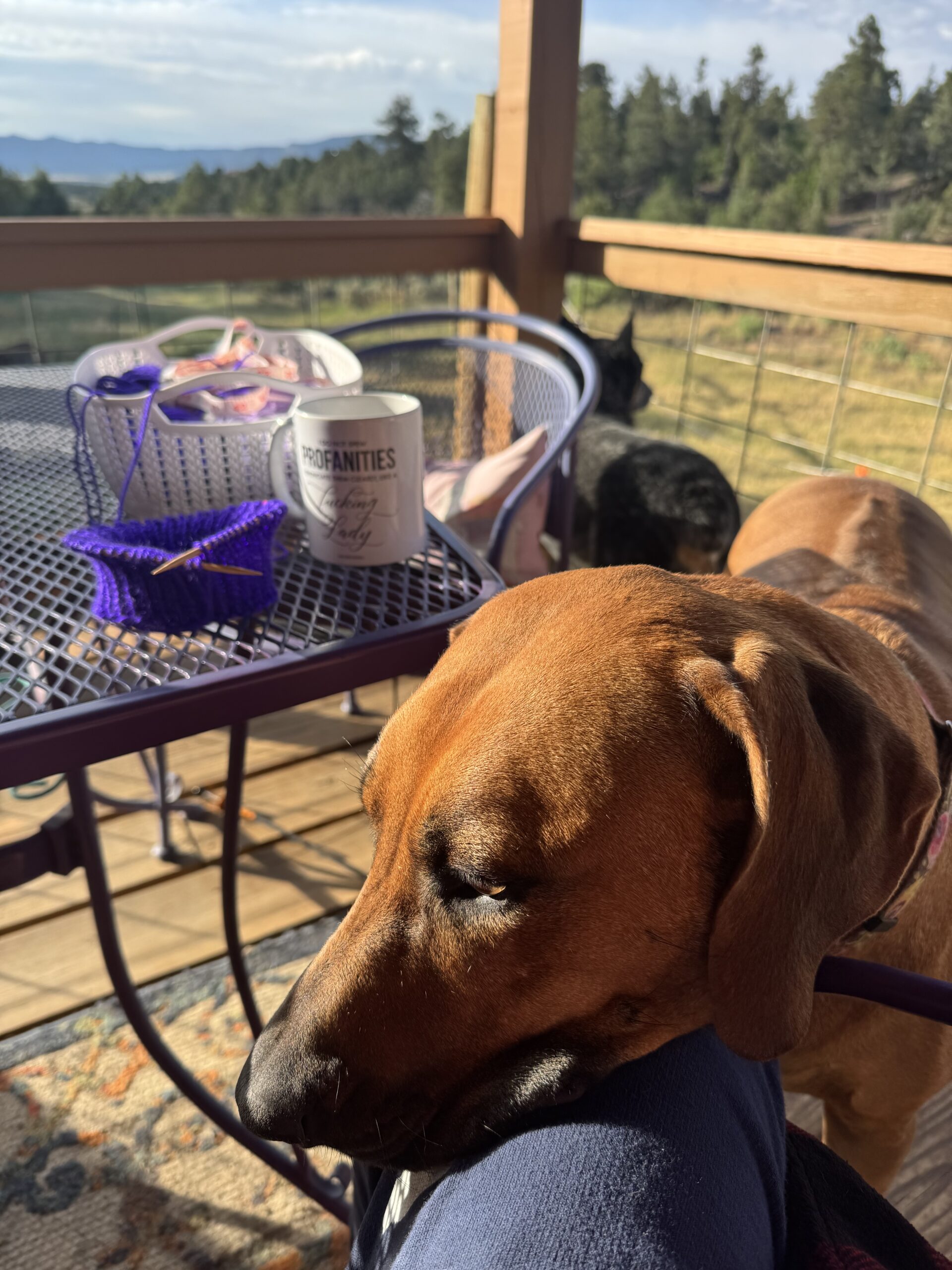
Sometimes I feel like a tracked sea turtle in a fish bowl. Why I hate my smartphone and how I'm trying to digitally detox responsibly. Photo and article by Liz Chandler @PurlsAndPixels.

The End of Wonder

I remember when I could look up at the sky and say, “I wonder what that star is called?” and then just… wonder. Now my instinct is to shove the question into a search bar. The mystery vanishes before it has time to become magical. Technology killed wonder. The internet gave me every answer, but in exchange it stole the fun of thinking about it first.
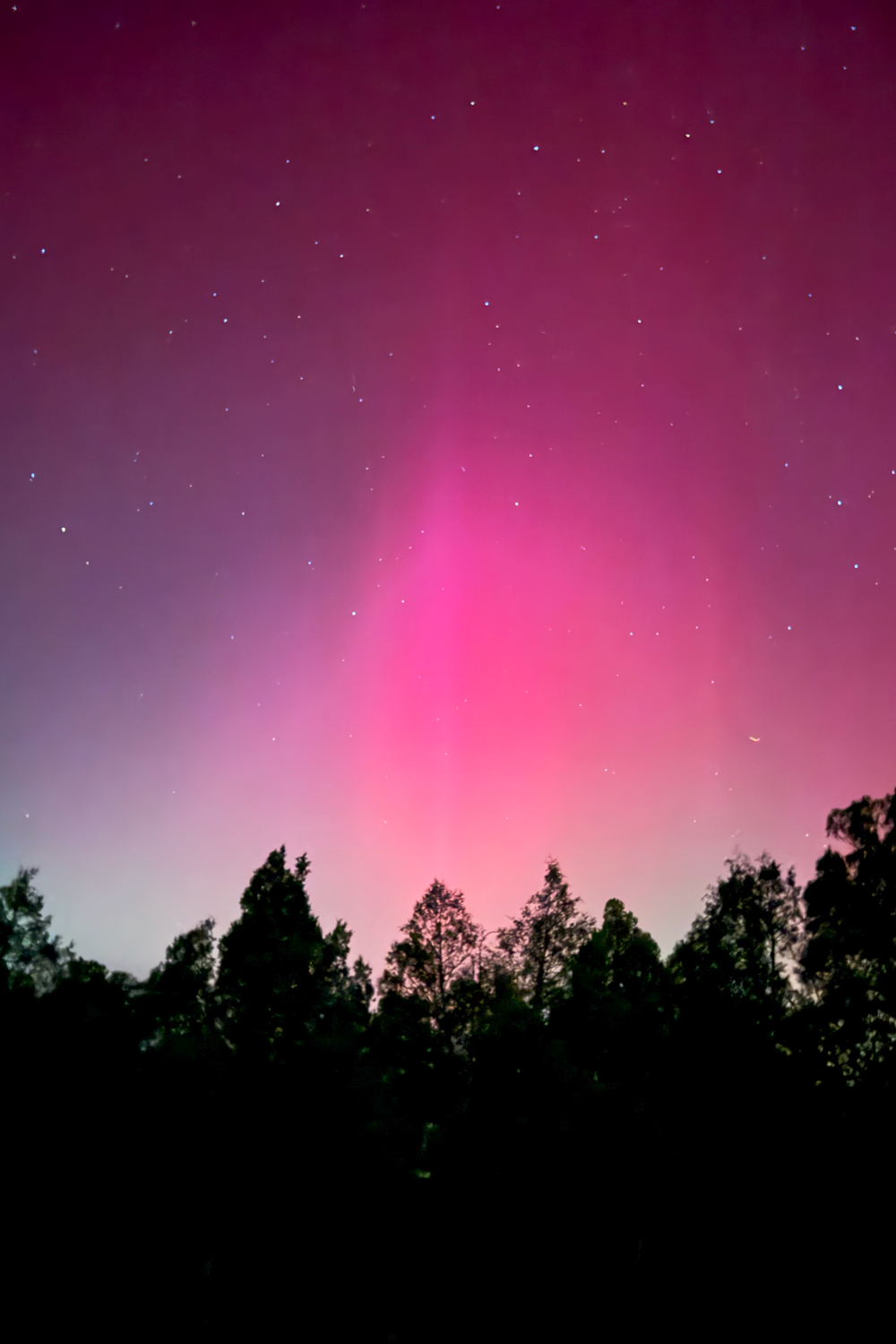
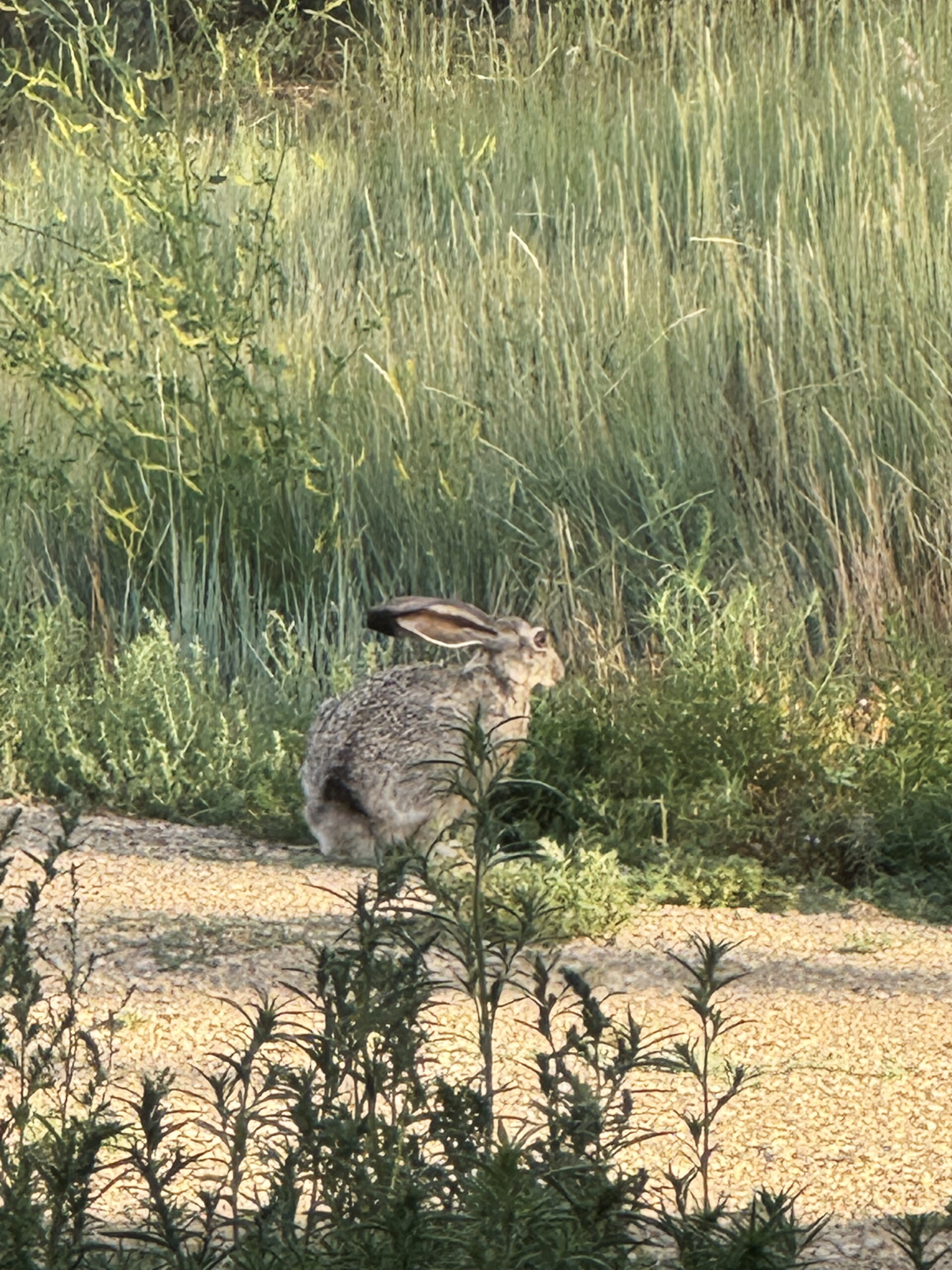
Colorado auroras would be so much more magical if we didn't know they were coming or feel required to share the moment with the entire world. But here is my aurora picutre... Look up at the sky and wonder about the stars. Get off the smart phone and get smart. Read more from Liz Chandler @PurlsAndPixels.

Even my brain feels slower. I type clumsily now, because autocorrect babysits my spelling and AI tries to predict what I will say. It is too easy to just select the prediction. The more I use it, the less sharp I feel. Technology is stealing not just my attention, but my skills.

What I Do (My Little Secret) 🤫

It is not enough, but here is what I do. I put my phone on sleep mode early and keep it there until late. That way, I get time without the constant buzzing and chirping. People think I am lazy or sleeping too much, but really I am sneaking in a bite of pre-smartphone freedom. Giving myself permission to step away has helped me feel calmer and sharper.

When the phone is asleep, I go analog. I keep a real pencil and a real notebook handy. I jot down ideas on paper before I ever hand them over to a screen. When I start uninfluenced, I stay in charge of my own voice. Then, if I decide to share later, it is truly mine (not something tech tried to write for me). Is it perfect that way? No. Is it me? Absolutely.
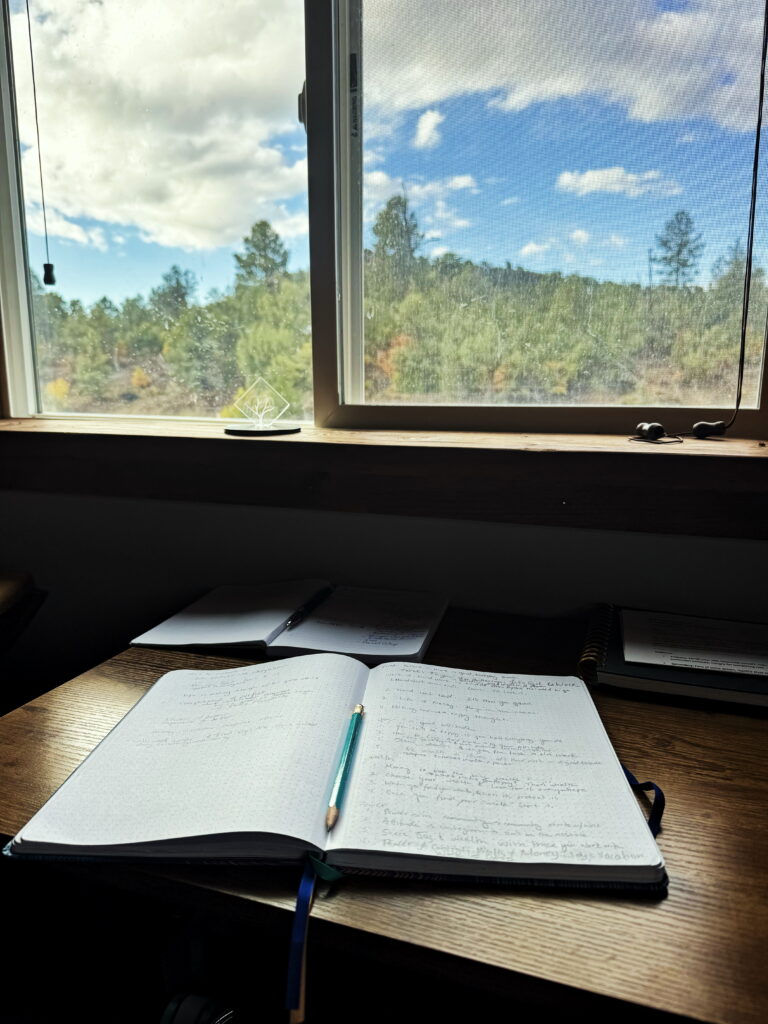
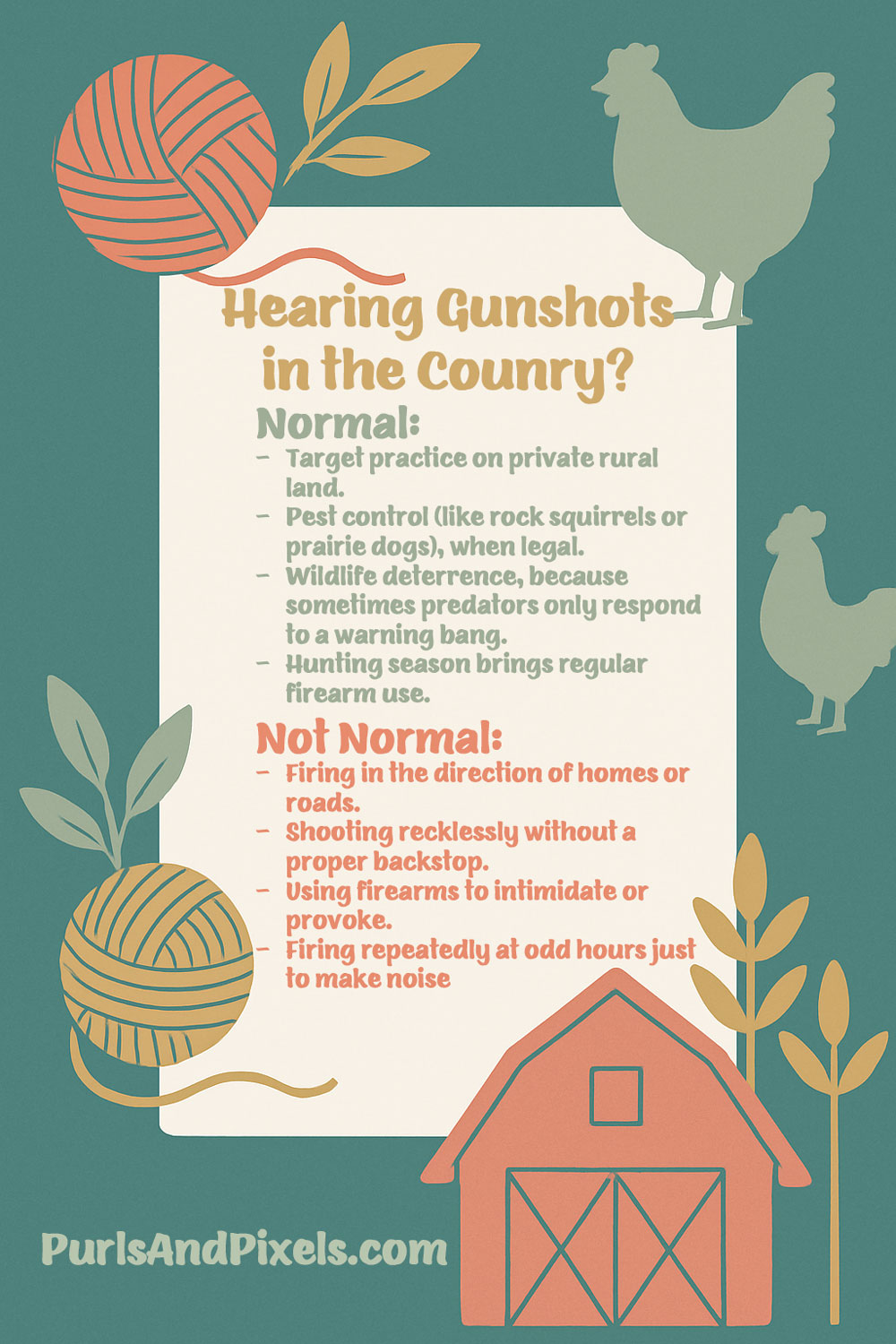
Who needs digital tech? Write for yourself unscripted by AI by using something revolutionary: a paper notebook and a pencil. Read more from Liz Chandler @PurlsAndPixels.

Choosing Joy, Not Chains

I do not want my joy filtered through a screen. I want it to come from wool running through my fingers, bread cooling on the counter, dirt under my nails after a day in the garden, or the satisfaction of “just one more row.” And, I want to enjoy these things because I love them, not because the algorithm demands proof of them this week.

Technology is here to stay, but that does not mean I have to let it own me. Some days, the bravest thing I can do is shut off the stupid smart phone, pick up the needles, knead the dough, or water the tomatoes. And sometimes the most radical act is choosing not to post proof that it happened.

Because freedom is not in the palm of my hand. It is in my hands (wrapped in yarn, covered in flour, or smudged with soil). And that is enough.
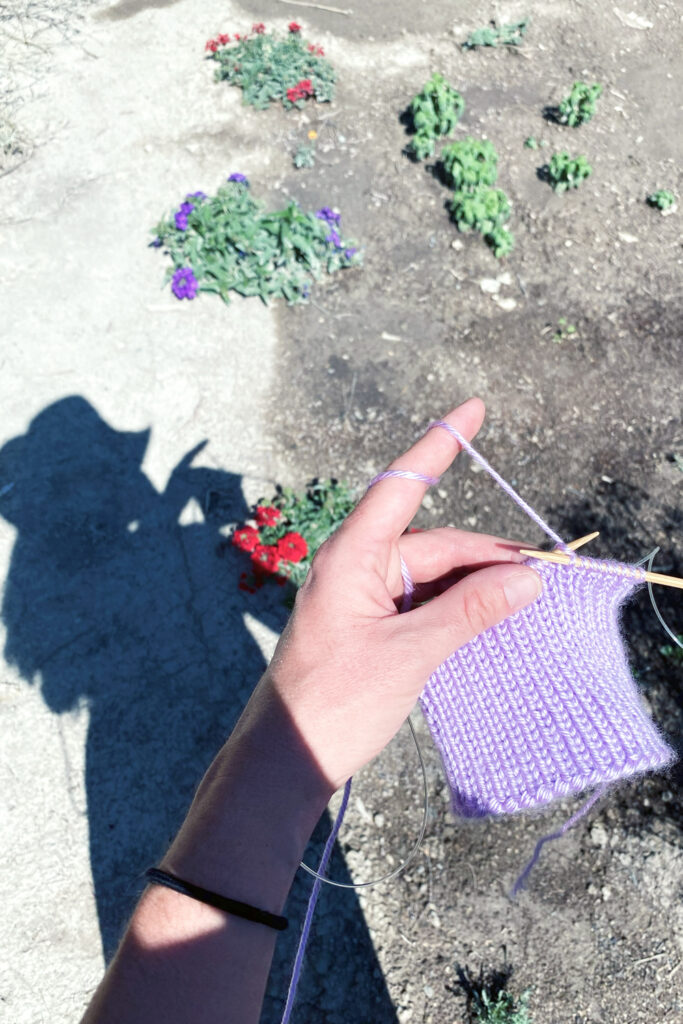
Slow down and get off the stupid "smart" phone. It doesn't make you happier or smarter. Learn more with Liz @PurlsAndPixels.

And maybe that is the good news: the choice is mine. I can keep my skills sharp, protect my wonder, and find real connection in the things I make with love. The phone will still be there when I need it. But my hands remind me who I am when I put it down.

And if you happen to call while my phone is off, you will need to leave me an old-school voicemail or send a text. Otherwise, I will not even know you tried. (Consider this your friendly reminder that my digital detox comes with caller ID amnesia.) 😉 ☎️

Want more cozy calm?

You can read my other posts or learn to knit with me here at PurlsAndPixels.com. Start small, grab a pattern, or just peek at my free beginner lessons. The yarn, the needles, and the quiet are waiting for you.

🧣 Learn to Knit: Free Knitting Lessons from Start to Finish

🧶 Knitting, Wellness, and the Science of Flow

🛁 How to Knit a Washcloth: A Beginner-Friendly Tutorial

🙏 Gratitude Blanket Pattern: Cozy Comfort for Every Home

🍂 5 Easy Fall Knits to Cast On Now

🐔 What is Yarn Chicken?

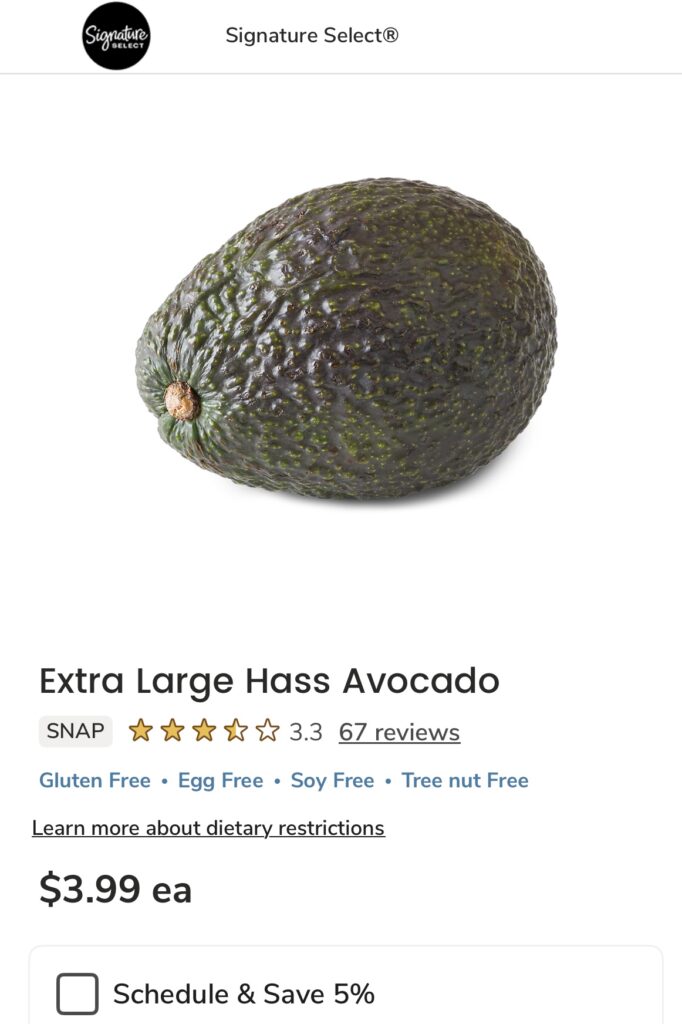
🥑 Avocado Cowboy

Don’t Miss a Stitch! 🧶

Love cozy projects? Sign up for my newsletter to get free patterns, helpful tips, and updates straight to your inbox. 💌
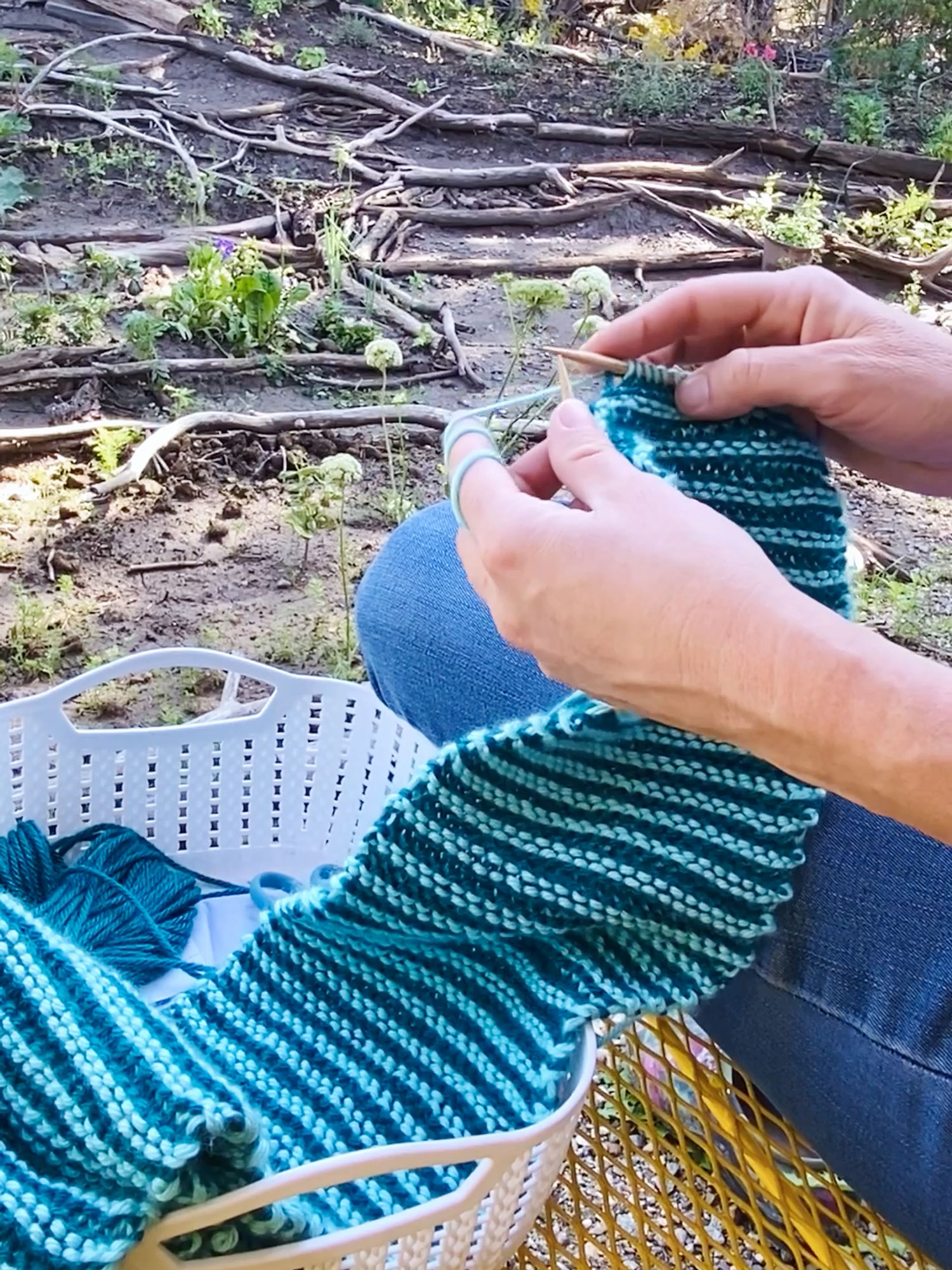
Knitting, Wellness, and the Science of Flow 🧶

Learn the science behind knit wellness. Knitting can make you happy. Ask science!

When I pick up my needles, I’m not just making a scarf or a cozy washcloth. I’m slipping into what researchers call a flow state: a space where everyday stress softens, worries melt, and the world feels lighter stitch by stitch. In my cozy home at PurlsAndPixels, knitting is more than craft; it’s therapy spun from yarn. And the best part? Science agrees. Knitting, wellness, and flow go hand in hand.

Picking up your knitting is relaxing. Don't believe me? Ask science.

The Brain on Knitting

Knitting is a form of mindful handwork. That gentle rhythm – knit, purl, knit, purl – activates the parasympathetic nervous system, lowering stress and calming the body, as shown in a study by Riley and colleagues. Translation: your heart rate steadies, your breath evens out, and suddenly you’re not the frazzled squirrel who misplaced her acorn stash.

Scientists studying activities that require “just the right amount” of challenge, like music practice or martial arts, call this balance flow. Psychologist Mihaly Csikszentmihalyi found that flow sparks happiness, builds resilience, and strengthens learning. Knitting hits the sweet spot: engaging enough to keep your mind busy but repetitive enough to soothe.

Knitting as Moving Meditation

Mindfulness doesn’t have to mean sitting cross-legged trying not to think about what’s for dinner. Knitting is mindfulness in motion. A study on textile crafts found that 81% of knitters felt happier after a session, with many noticing less stress and sharper clarity.

I can tell you from experience: when life feels noisy, my needles ground me. Each row reminds me that progress doesn’t have to be fast to be powerful.

Picking up your knitting is relaxing. Don't believe me? Ask science.

The Knitting Wellness Benefits, Stitch by Stitch

Here’s why knitting deserves a spot in your self-care routine:

  • Stress reduction: Repetitive stitching lowers cortisol, your body’s stress hormone, according to a study by Riley and colleagues.
  • Mood boost: Flow activities release dopamine, the “feel-good” brain chemical Csikszentmihalyi, 1990.
  • Cognitive support: Counting stitches and reading patterns keep your memory sharp and flexible Corkhill et al., 2014.
  • Community connection: Community connection: Knitting circles knit more than yarn; they build social ties that protect long-term health Park et al., 2014.
  • Crossing the midline: Crossing the midline: Many knitting movements involve hands crossing the body’s centerline, which occupational therapists highlight as a way to support coordination and brain integration (Math & Movement article).

Every project is secretly a brain workout and a spa day rolled into one. 💪 🛁

Making Flow Work for You

Want to capture that sweet knitting calm? Try this:

  1. Pick a Goldilocks project. Too easy and you’ll drift. Too hard and you’ll tense up. Choose a just-right challenge. (My Gratitude Blanket Pattern is a great place to start)
  2. Create your nest. Good light, a comfy chair, and maybe tea (or wine – I’m not here to judge).
  3. Let go of perfection. Flow is about being absorbed, not flawless edges or magazine-worthy tension.
Some of the coziest home decor is handmade, like my chunky Gratitude Blanket. Knit along with the free knitting pattern from Liz Chandler @PurlsAndPixels

The Bottom Line

Knitting isn’t just craft; it’s self-care disguised as creativity. Whether you’re learning your first stitches or casting on a complicated lace shawl, you’re giving your brain a reset while making something beautiful. Around here, I call that staying sharp with pointy sticks.


A Little Disclaimer

I am a knitter, not a doctor. The information above is for educational and inspirational purposes only and should not be taken as medical advice. If you have health concerns, please consult a licensed healthcare provider. 💞


✨ Ready to Knit?

Try these relaxing, beginner-friendly patterns:

🧣 Simple Ribbed Scarf

🛁 Classic Seed Stitch Washcloth

🥳 Beginner Stockinette Hat

🧶 Knitting Pattern Library: Explore more patterns

Join My Knitting Community

Knitting is better with friends. Share your progress, ask questions, and connect with other beginners:

📱 Instagram: @PurlsAndPixels

📍 Pinterest

🏷️ Tag your posts: @PurlsAndPixels

💌 Sign up for my email list below and get all the cozy updates

Avocado Cowboy

What I learned from the Avocado Cowboy. With grocery prices soaring and fear rising, it's time to remember kindness. A moment from Liz Chandler @PurlsAndPixels.

How Two Pieces of Fruit Broke a Strong Man and Opened My Eyes 🥑

I scanned my items as quickly as I could, feeling the pressure of the self-check out line eyeing my machine.

We all wanted to get out of there as fast as possible. The grocery store is no longer a fun place to greet neighbors. It’s become a shared trauma zone, especially in small town America. We all think others are judging our purchases, but now they really are:

“She’s buying a lot of wine.”
“Why did that man need 6 cartons of eggs?”
“I wonder if they just live far from town or if they are hoarding because they know something I don’t.”

The things we think waiting in line have changed. “Am I in danger?” never once crossed my mind on a childhood grocery trip.

Now, I’m watching my six like a trained combat soldier while trying to hold in gasps of shock. It’s “Where would I hide?” combined with “I can’t afford that anymore?” And I know that I’m not alone in this feeling.

As I try to rush through my self-checkout I tell my son – loudly enough for the people in line to hear – “I wish the lady in the machine would be quiet.”

“$12.99. Savings 50¢,” the robot voice loudly mocks, screaming prices at the entire grocery store.

“It’s very distracting. It’s so hard to go quickly,” I say even more loudly.

The scowlers look away, but don’t stop scowling.

Behind us on the next self-checkout is an older, almost stereotypical rancher. Cowboy hat. Flannel shirt tucked neatly into his Levi jeans, clearly worn for decades, but clean and untattered.

After a hard morning's work moving cattle a cowboy needs a small break.

As I struggle with the robot voice in the self-checkout machine, I hear him exclaim, “$8 for 2 avocados? EIGHT DOLLARS?!”

The young check out attendant scurried over to help the gentleman. “Maybe it’s a mistake?” the cowboy said more quietly, trying to divert attention from his unfiltered outburst. “I just got two small avocados from your produce section. It says $8? That can’t be right.”

I resumed scanning my items. We are monthly shoppers with a full cart, so I also resumed my social anxiety about holding up others.

But then the Avocado Cowboy, made me jump. He was clearly the type to prefer “Yes,” “No,” or “Ma’am” to be his entire public vocabulary, as is the cowboy way. But he lost it. He just couldn’t take it.

“Really? They’re actually $8? TWO avocados?” He was stunned to silence for just a moment.

And in past years, under similar circumstances, a man of his background would leave it at that. Maybe feign ignorance at current grocery prices and ask the wife later.

But no. This Cowboy knew his avocados. It seemed like a gift he’d get his wife regularly. Like flowers, but practical.

The register wasn't wrong, but it is a shock when you'd think two avocados should cost about $3 and it rings up as $8.
Screenshot

He loudly told the attendant “I feel sorry for your generation, just getting started. I don’t know how they expect you to do it. Grocery prices are out of control.”

He turned red in the face, thanked the attendant, and hung his head as he left with his receipt and two sad avocados.

I’ll never forget the Avocado Cowboy. I wanted to hug him, or thank him, or comfort him in some way.

But I’m scared, too.

It has begun to feel like no good deed goes unpunished. So, I, like many these days, did not do the good deed. I did not thank the Avocado Cowboy.

But I’m saying it now. I see you. I am you. We are all confused. Disappointed. Sad. And resentful.

But I hope we all know…
Nobody knows the end of this story.
Let’s keep trying to make it good.

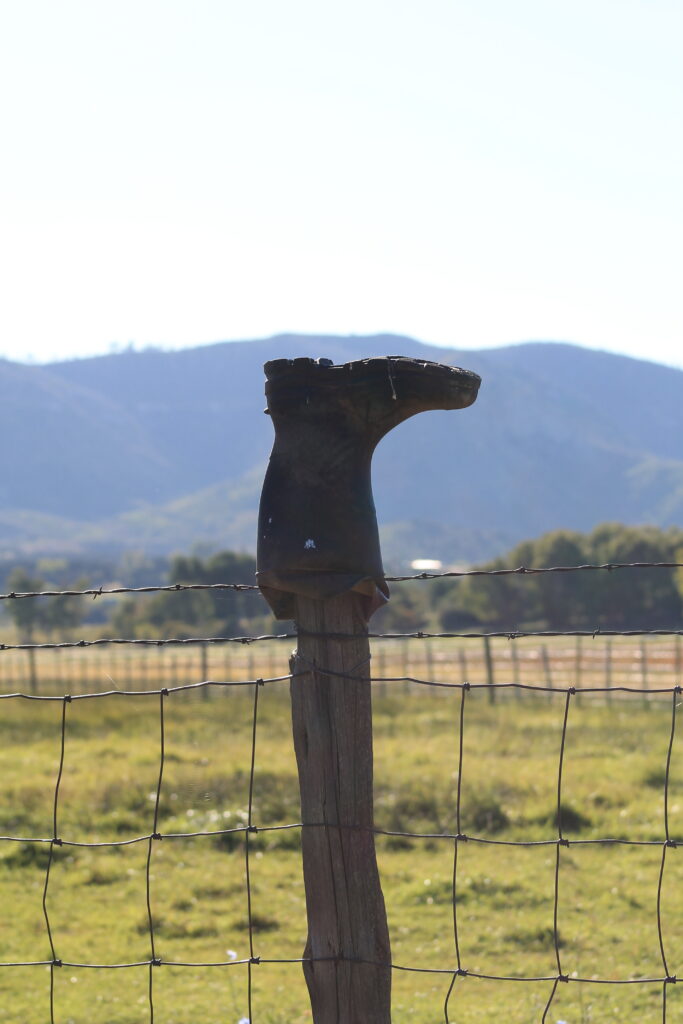
A boot on a fencepost can mean a number of things, none of which are easy or pleasant. But it is a sign we can get thru hard things together.

Feeling the Pressure, too?

Try what I do when I am feeling stressed:

Keep Your Homestead Running Smoothly (Even When Life Feels Chaotic)

March’s Blood Moon 2025

Learn about the blood moon lunar eclipse with Liz Chandler @PurlsAndPixels.

A Lunar Eclipse You Should Stay Up For 🌒

Let me tell you how much I love the stars. There is something about looking up at a sky full of them that makes everything else feel small in the best way. I have always been a stargazer, watching meteor showers, learning constellations, and tracking the moon through its phases. When a Blood Moon comes around, you better believe I will be outside watching every second of it.

On the evening of March 13 & 14, a total lunar eclipse will turn the moon a deep red. If you have never seen one before, this is your chance. It is one of those rare moments when the night sky puts on a show you will not forget. Now, we just have to hope the storm clouds clear enough for us to actually see it.

Blood moon over Mesa Verde National Park in Colorado, USA 2015 taken by Liz Chandler @PurlsAndPixels.

What Is a Blood Moon?

A Blood Moon happens when the Earth moves directly between the sun and the moon, casting a shadow that filters out all but the deep red and orange wavelengths of light. The result? The moon turns a stunning shade of red, glowing eerily against the night sky.

Unlike solar eclipses, you do not need any special glasses or equipment to watch a lunar eclipse. All you need is your own two eyes and a clear sky.

When and Where to See the Blood Moon Eclipse 2025

I will be out there, bundled up in a blanket, watching the whole thing unfold. Here is when to look:

  • Date: Night of March 13 into the early morning of March 14
  • Eclipse Begins: 9:57 p.m. MST
  • Total Eclipse (Best Viewing Time): 12:26 a.m. MST
  • Eclipse Ends: 4:00 a.m. MST
  • Where You Can See It: North America (weather permitting)

How to Get the Best View of the Blood Moon Eclipse 2025

Lunar eclipses are completely safe to watch with the naked eye, but if you want to make the most of it, try the following:

  • Find a Dark Spot. The farther from city lights, the better. If you can get out to a rural area, you will see much more detail.
  • Use Binoculars or a Telescope. The moon looks incredible during an eclipse, and a little magnification makes it even better.
  • Be Patient. The moon does not just turn red in an instant. It slowly changes over a few hours, so settle in and enjoy the process.
  • Take Photos. A smartphone on a tripod with night mode can capture some amazing shots. Or, if you have one, this is a great time to practice your nighttime photography with your camera and zoom lens.

Why This Blood Moon Eclipse Matters

Total lunar eclipses do not happen all the time. This is the last total eclipse North America will see until 2026, so if you miss it, you will be waiting a while for the next one. There is also something special about looking up at the sky and realizing you are watching the same moon as people across the world at the exact same moment.

For me, stargazing has always been a way to feel connected to something bigger. Watching the moon shift to red, with stars sparkling all around it, reminds me why I love the night sky so much. It is peaceful, awe-inspiring, and, for a little while, makes you forget about everything else.

Dark Skies for Best Viewing

If you are lucky enough to live near Mesa Verde National Park or another one of the country’s official Dark Sky Parks, this eclipse will be even more incredible. Dark Sky Parks are designated areas with minimal light pollution, meaning you will get the clearest, most breathtaking view possible. Even if you are not near one, do not worry; just head to the darkest spot you can find, and you will still get a great show.

How to Keep Dark Skies on Your Homestead

If you live in a rural area or on a homestead, you have the power to help protect the night sky from unnecessary light pollution. Even small changes can make a big difference in keeping the stars visible.

  • Use Warm, Low-Intensity Lighting. Harsh white or blue-toned lights scatter more and create more glare. Warm, yellow-toned lights are softer on the eyes and the sky.
  • Install Motion Sensors. Instead of leaving lights on all night, use motion-activated security lights. This keeps your property safe while reducing unnecessary light pollution.
  • Shield Your Lights. Downward-facing lights prevent excess light from spilling into the sky. Simple covers or shades can help direct light where it is actually needed.
  • Turn Off What You Do Not Need. If you do not need the porch light on, turn it off. A simple habit like this can help keep your night sky clear.

These small steps will not only help you enjoy better stargazing but also keep the ecosystem around you healthier. Artificial light affects wildlife more than we realize, and cutting down on excess lighting can help nocturnal animals navigate the night as nature intended.

Love stargazing as much as I do? Don’t forget to look up at tonight’s blood moon eclipse…

2025 Blood Moon Eclipse: Do Not Sleep Through This One!

If you can, stay up late for this. Wrap yourself in a warm blanket, grab a hot drink, and take a few minutes to look up. The universe is putting on a show, and it is absolutely worth watching.

If you are lucky, you might even be wrapped in a blanket you made yourself. Nothing beats stargazing under something handcrafted, whether it is a cozy knit shawl or a thick wool blanket. If you have not started one yet, now might be the perfect time. A hand-knit blanket will keep you warm through every celestial event to come, and who knows? By the time the next Blood Moon rolls around in 2026, you might have a new favorite stargazing companion.

Let me know if you will be watching. If you snap any photos, I would love to see them! Here is hoping for clear skies. 🌕

Read More

🙏 Gratitude Blanket Pattern: Cozy Comfort for Every Home

🏡 Cozy Lifestyle Basics: Mountain Living Edition

🌱 Planning to Garden This Year?

🌿 Building Your Backyard Garden from Scratch

🪴 Seedling Repotting

🌻 My Knitting Garden

🍓 Planting Strawberries and Asparagus in Southwest Colorado

🌸 Defeating Bindweed: A Gardener’s Battle

🥕 Harvesting Carrots

Mountain Living Essentials

✨ Never Miss a Homestead Story 

Join my newsletter for exclusive patterns, homesteading tips, and wildlife updates! 💌

10 Tips for Starting Your Homestead: Simple Steps to Turn Your Dream into Reality

Liz Chandler's tips for starting your homestead off right.

If you’re dreaming of a quiet, self-sufficient life surrounded by nature, starting a homestead might be the perfect adventure. I made the leap from a stressful career to a life that’s more grounded, and although it’s been full of challenges, it’s been worth every moment. Whether you’re starting fresh in the woods, like I did, or you’re on a farm passed down through generations, these ten tips will help guide your journey to building your own homestead.

1. Start Small and Plan Big

The first step in homesteading is to dream, but don’t get overwhelmed by trying to do everything at once. It’s tempting to think you need chickens, a garden, bees, and solar panels all on day one, but it’s more sustainable to focus on one or two things at a time. I’ve learned this firsthand—running a knitting business and homeschooling my son on 8 acres means I’m always balancing my goals. Start small, get good at a few things, and then expand.

Start small & plan big when dreaming of a homestead. Get a few chicks or start a small garden and see how you enjoy the lifestyle before you jump all in.

2. Know Your Land

Before diving in, understand what your land offers and what it needs. I’ve dealt with a lot of bindweed after leaving my garden unattended for just a few weeks, and it taught me the importance of knowing your soil, the local climate, and potential pests. Spend time on your property and note how the sun moves, where water naturally drains, and what wildlife might be passing through.

3. Get Ready to Learn

There will always be something new to learn when you are starting your homestead. Whether it’s figuring out how to preserve vegetables, raise livestock, or fix broken fences, you’ll need to embrace the learning curve. I built a business from scratch, and while that didn’t prepare me for everything (hello, endless weeds), it gave me the confidence to learn as I go. From learning to use a woodchipper to digging ditches with a backhoe, homesteading requires different skills than city-life. Research, ask for advice from experienced homesteaders, and don’t be afraid to fail—it’s all part of the process.

You may need to learn to drive a tractor so you can make drainage ditches. I did! Now my garage does not flood every time it rains!

4. Set Realistic Goals

Homesteading is a long-term lifestyle, not a sprint. It’s important to be realistic about what you can accomplish each season. One mistake I’ve made is pushing too hard and trying to do too much, which left me feeling overwhelmed and behind. Set small, achievable goals, and enjoy the process. It’s okay if you don’t produce all your own food right away.

Homestead guides from Liz Chandler @PurlsAndPixels.

5. Budget Wisely

Homesteading can cost more than you think, especially in the beginning. From tools to seeds to livestock, expenses can add up quickly. When I first moved to my cabin in the woods, I learned quickly that unexpected costs are part of the package. Budget not only for essentials but also for the unexpected, like a chicken coop that suddenly needs fixing or a new fence for your garden.

6. Embrace DIY

There’s a lot of satisfaction in building and fixing things yourself, and it’s an essential part of homesteading. Over the years, I’ve learned to take on projects I never thought I’d tackle, like repairing equipment, building sheds, and maintaining my own cabin. You’ll save money, and the sense of accomplishment is incredible. Plus, doing things yourself keeps you resourceful and self-reliant, key traits for any homesteader.

Homesteading requires a lot of DIY projects. There just aren't always people to help you out in rural areas.

7. Don’t Be Afraid to Ask for Help

Even though homesteading can feel like a solo adventure, you don’t have to do it all alone. Whether it’s reaching out to neighbors, hiring help for big projects, or simply asking online communities for advice, support is out there. I struggled with isolation in my rural setting, but building connections with others—even digitally—has made all the difference.

8. Stay Flexible

Homesteading teaches you that things won’t always go according to plan. Crops fail, livestock gets sick, and weather can ruin your best-laid plans. My experience working in different careers taught me resilience, but nothing quite prepared me for the unpredictable nature of homestead life. Adaptability is key—if one thing doesn’t work, try something else and don’t get discouraged.

Don't let one sad squash deter you. You can try again, or try planting something new.

9. Focus on Sustainability

The heart of homesteading is self-sufficiency, but sustainability should be a major focus as well. Whether you’re using solar power, rainwater collection, or planting a permaculture garden, try to think long-term. In my own homesteading life, I aim to leave things better than I found them. Small steps, like composting kitchen scraps or conserving water, add up over time.

Homestead animals like chickens will need to be protected from native wildlife like bears and coyotes. Find Liz Chandler's tips at PurlsAndPixels.

10. Find Joy in the Simple Things

At the end of the day, homesteading is about finding peace in the small moments. For me, it’s walking outside to see my son playing with our dogs or spending a quiet evening knitting in front of the fireplace. Don’t forget to slow down and appreciate the life you’re building, even when things are tough. Homesteading isn’t just about the work; it’s about the lifestyle you create for yourself and your family.

Don't forget to enjoy where you live.

Starting a homestead is an incredibly personal journey. If you’re willing to put in the hard work and take things one step at a time, the rewards are beyond measure. For me, homesteading has been about reclaiming my time, my energy, and my connection to the world around me—there’s no better feeling than knowing you built something from the ground up. So roll up your sleeves, take a deep breath, and get started—you’ve got this.

Explore More

Thriving as a Solo Parent Homesteader

Tips for Navigating Challenges with Animals, Land, and Nature when You’re the only Adult

Tips for Navigating Challenges with Animals, Land, and Nature when You’re the only Adult

Tips for Navigating Challenges with Animals, Land, and Nature when You’re the only Adult


Being a solo parent is challenging enough, but when you add the responsibilities of managing a homestead, it can feel like a whole new level of overwhelm. I know firsthand what it’s like to juggle raising a child on your own while tending to animals, land, and all the wild surprises nature throws your way. But here’s the good news: with a bit of strategy, resilience, and some solid tips, you can not only survive but thrive as a solo parent homesteader.

Start Small and Scale Slowly

One of the most common pitfalls is biting off more than you can chew—especially when homesteading. You might be dreaming of a barn full of animals, a flourishing vegetable garden, and a DIY project on every corner of your land, but it’s essential to pace yourself. Start with a few manageable tasks: maybe a small garden, a few chickens, or a couple of goats. As you get the hang of things, you can gradually expand. Remember, homesteading is a marathon, not a sprint.

As a solo parent homesteader, don't get in over your head. Start small with a few chickens and see how it goes.

Prioritize Safety First: For You and Your Kid

When you’re working solo, safety becomes even more critical. Always keep your phone charged and nearby; accidents can happen when handling animals, working with tools, or navigating rugged terrain. Teach your children basic homestead safety: never approach animals without you, stay away from machinery, and always wear appropriate gear. A simple first aid kit in easy-to-reach places around your homestead can be a lifesaver.

Routine Is Your Best Friend

Establishing a daily routine will keep you on track and help manage the chaos. Start with morning animal care: feeding, checking for injuries, and cleaning enclosures. Next, tend to your garden or any outdoor chores. In the afternoon, handle tasks like homeschooling, meal prep, or indoor projects. Evening rounds should include closing up chicken coops, checking fences, and making sure all your animals are safe for the night. Having a predictable routine helps you stay organized and ensures nothing important gets overlooked.

Get Creative with Animal Care

Managing livestock as a solo parent can be tough, but there are ways to make it easier. Set up automatic feeders and waterers wherever possible. Use portable electric fencing to rotate pastures without the heavy lifting. If you have a child who’s eager to help, assign them age-appropriate tasks like collecting eggs, brushing animals, or helping with light weeding. These small contributions can make a big difference in your workload and give your child valuable skills and confidence.

Tips for Navigating Challenges with Animals, Land, and Nature when You’re the only Adult

Harness the Power of Nature’s Helpers

Nature is full of allies waiting to help you if you know where to look. Consider adding guinea fowl or ducks to your homestead; they are excellent at controlling pests like ticks and slugs. Plant flowers that attract pollinators to boost your garden’s productivity. Set up bat houses to help with mosquito control. By creating a balanced ecosystem, you can reduce the time you spend on pest management and let nature do some of the work for you.

Land Management Tips: Work Smarter, Not Harder

Keeping your land in check is no small feat, but there are ways to streamline the process. Mulching is a lifesaver; it suppresses weeds, retains moisture, and enriches the soil—plus, it means less weeding for you. Use permaculture principles like companion planting and crop rotation to keep your soil healthy and your plants thriving. If your property has sloped areas, consider terracing or planting ground covers that prevent erosion and reduce maintenance.

Even a small family can do chores together and have fun at the same time!

Embrace Low-Maintenance Crops and Perennials

As a solo parent, you don’t need high-maintenance crops that demand constant attention. Opt for hardy perennials like rhubarb, asparagus, and berry bushes, which come back year after year with minimal effort. Herbs like mint, thyme, and oregano are also low-maintenance and can add flavor to your meals while attracting beneficial insects. Focus on crops that provide high yields with little input—think potatoes, beans, and squashes.

Lean on Technology and Community Resources

Don’t shy away from using technology to lighten the load. Solar-powered electric fences, trail cameras, and weather apps can help you stay on top of animal security and land management. Online forums, local Facebook groups, and YouTube channels are goldmines of information and support. Even though you may feel isolated, the homesteading community is vast and welcoming; reaching out can provide advice, moral support, and sometimes even physical help when needed.

Make Time for Nature, Not Just Chores

With a never-ending to-do list, it’s easy to forget why you chose this lifestyle in the first place. Set aside time to simply enjoy your surroundings. Take a moment to walk your property with your child, watch a sunset, or listen to the sounds of the animals at dusk. These small moments of connection with nature can recharge your spirit and remind you of the rewards of your hard work.

Accept Imperfection and Celebrate Small Wins

There will be days when the chores pile up, the animals don’t cooperate, or your garden gets overrun with weeds. Accept that imperfection is part of the journey. Celebrate the small wins—like a successful harvest, a day without any major mishaps, or your child learning a new skill. Each step forward, no matter how small, is progress.

Tiny Family, Giant Love

Being a solo parent homesteader is no easy task, but it’s a deeply rewarding one. With careful planning, a willingness to adapt, and a bit of creativity, you can build a sustainable, fulfilling lifestyle for yourself and your child(ren). Remember, every homestead is a work in progress; give yourself grace, trust your instincts, and keep moving forward. You’ve got this!

Explore More

Rural Road Courtesy: A Handbook for Urban Transplants

Rural Road Courtesy - small town traditions for driving and walking down backroads.

Are you a small-town newcomer? Welcome!

Let’s get you started with a guide to walking and driving on rural country roads using some typical small-town rural road courtesy traditions.

Rural Road Courtesy - small town traditions for driving and walking down backroads.

In the calm landscapes of rural life, where every bend in the road reveals a new view and neighbors are as familiar as family, understanding the unspoken rules of the road is key, especially for those transitioning from the hustle and bustle of city living. Here’s a practical guide tailored for urban transplants, offering advice on integrating respectfully into rural communities while honoring the essence of country living.

Rural Road Courtesy: Walking Etiquette

Adjust Your Stride: Transitioning from city sidewalks to rural pathways requires a mindful approach. Always walk facing oncoming traffic, stay on designated paths, and remain aware of your surroundings to ensure a safe journey.

A guide to country road etiquette. Learn the polite conventions of walking and driving on small-town country roads.

Acknowledge Drivers: Extend a courteous wave or nod to drivers who yield or slow down to accommodate pedestrians. This simple gesture acknowledges their consideration and fosters positive interactions on the road.

Rural Road Courtesy - small town traditions for driving and walking down backroads.

Enhance Visibility: In low-light conditions, prioritize safety by wearing reflective clothing or carrying a flashlight. By increasing your visibility to drivers, you contribute to a safer environment for pedestrians and motorists alike.

Rural Road Courtesy - small town traditions for driving and walking down backroads.

Respect Private Property: Stay mindful of property boundaries and refrain from trespassing on private land. Respect the rights of local landowners and follow designated routes to minimize disruptions to their livelihoods.

Embrace Local Wisdom: When offered advice or guidance by longtime residents, approach it with humility and an open mind. Engage in respectful dialogue, recognizing the value of preserving rural traditions and customs for generations to come.

Rural Road Courtesy: Driving Etiquette

Embrace Local Customs: When navigating the winding roads of the countryside, take note of the local customs, such as acknowledging fellow drivers with a friendly wave. It’s a small gesture that speaks volumes about respect and community spirit.

Exercise Caution: Rural roads may present unique challenges, from farm equipment to wandering wildlife. Exercise caution, adhere to posted speed limits, and maintain a vigilant mindset to ensure the safety of all road users.

Respect the Pace: Embrace the unhurried rhythm of rural life and resist the urge to rush. Adhering to the leisurely pace of the countryside not only enhances safety but also allows you to savor the beauty of your surroundings.

Preserve Rural Identity: While it’s natural to bring elements of urban life to your new environment, remember to respect the distinct character of rural communities. Avoid advocating for changes that would compromise the tranquility and charm of the countryside.

Preserving country living.

Safe Travels Y’all

For urban dwellers transitioning to rural life, integrating into the fabric of the community requires a blend of respect, courtesy, and appreciation for local customs. By embracing the unhurried pace, expressing gratitude for the kindness of neighbors, and preserving the intrinsic beauty of the countryside, newcomers can find fulfillment and belonging in their new surroundings. Remember, the roads of rural life may be winding, but each turn offers an opportunity to connect with the land and the people who call it home.

Knitting Inspiration from Nature

Hot air balloon sunrise, nature photo by Liz Chandler @PurlsAndPixels

Transforming the Colors of the Wild into Cozy Creations 🏔️

Life out here in the Rocky Mountains is wild. Literally. Some days, I’m watching deer stroll past my window like they own the place. Other days, I’m rescuing my knitting from a particularly bold gust of wind. No matter what the day brings, one thing stays the same: wherever I go, yarn is never far behind. My knitting inspiration comes from all the nature around me.

I love taking pictures of mountains, forests, and cozy little moments. If you look closely, you’ll probably notice a trend. There’s often a ball of yarn or a half-finished project lurking in the shot. That’s not a coincidence. That’s just me, living my life, chasing daylight to get the perfect shot, and occasionally “shooting” coyotes. With a camera, of course. Knitting inspiration can come from anywhere, even wildlife. No need to alert the game warden. 📸

A coyote behind a massive tree stump in the Colorado pinon forest. Photo by Liz Chandler @PurlsAndPixels.

Why PurlsAndPixels is Packed with Pretty Nature Photos

Knitting inspiration from nature is everywhere, when you know where to look. The rich reds of autumn leaves, the deep blues of a twilight sky, and the soft neutrals of river stones all create the perfect yarn color inspiration from nature. Every time I step outside, I see textures and hues that practically beg to be turned into a new project. A misty morning might call for a delicate lace shawl, while the rugged bark of an old pine tree whispers, “You need more cozy cables in your life.” Living in the mountains, knitting is not just a hobby; it is a cozy knitting lifestyle, where the rhythm of the needles matches the quiet pace of nature. This mountain knitting aesthetic finds its way into everything I create, blending the beauty of the outdoors with the comfort of handmade warmth. Whether it is the soft tones of fresh snowfall or the earthy richness of autumn, knitting inspired by nature is always waiting right outside my door, tempting me to cast on just one more project.

1. Color Inspiration is Everywhere

The vibrant stripes on a canyon wall? Perfect for a chunky scarf. The soft blues of a misty morning? That’s a cozy pair of mittens waiting to happen. Nature is basically a giant, untamed yarn store, and I take full advantage of it. If you are looking for knitting inspiration from nature, step outside and see what colors you can find.

Colorado canyon at Mesa Verde National Park. Photo by Liz Chandler @PurlsAndPixels.

2. Texture, Texture, Texture

Knitting is all about feel. Soft wools, bumpy cables, smooth stitches. When I see the rough bark of an aspen tree or the soft fluff of a baby bunny’s fur, I can’t help but think, this would make a fantastic sweater. The natural textures found in the woods offer endless knitting inspiration.

Fluffy bunny rabbit in the forest meadow. Colorado wildlife photo by Liz Chandler @PurlsAndPixels.

3. It’s All About the Cozy Life

I don’t just knit. I live the whole cozy, slow-living, tea-sipping, blanket-wrapped experience. Taking these photos lets me freeze those moments. The ones where the fire is crackling, my needles are clicking, and everything feels just right. Since I can’t invite the whole internet into my cabin for cocoa, this is the next best thing.

Photos © Liz Chandler of  PurlsAndPixels. All photos here are my own, taken by me. Please enjoy, but do not reproduce them for any commercial purpose without my permission. Email purlsandpixels@gmail.com for inquiries about specific images.

Want More Knitting and Cozy Life Inspiration from Nature?

I share free knitting tutorials, rustic living ideas, and peeks at my latest projects, plus the occasional wildlife encounter. Sound like your vibe?

📷 See more of my photos full of knitting inspiration from nature on Instagram: @PurlsAndPixels.

Read More

🦌 Wildlife Tales from My Colorado Craft Haven

🦌 Embracing the Rustic Homestead Lifestyle

🌲 10 Tips for Starting Your Homestead: Simple Steps to Turn Your Dream into Reality

🦁 Living with Mountain Lions

🐻 Keeping Bears Out of the Chicken Coop

🏡 Cozy Lifestyle Basics: Mountain Living Edition

Mountain Living Essentials

✨ Never Miss a Mountain Story 

Join my newsletter for exclusive patterns, homesteading tips, and wildlife updates! 💌