Your cozy lifestyle is about more than just comfort; it’s about creativity too. Check out these creative cozy projects and DIY tutorials to keep your hands busy and your home beautiful.
Creative, Cozy Knitting Projects
Knitting is the coziest of crafts. Discover a world of stitches and patterns with my collection of knitting books! Whether you’re a beginner or a seasoned pro, my guides offer clear instructions and practical patterns that make every project feel doable. From cozy scarves to charming home decor, there are creative cozy projects for every knitter to love. Ready to start your next project? Order now to get your hands on a guide that’ll have you knitting in no time!
Beyond knitting, you can fill your life with creative cozy projects. Learn to handmake gifts for friends and family, craft adorable home accents, and add unique touches to holiday gatherings with the DIY guides on PurlsAndPixels.
If you prefer visual learning, check out my step-by-step video tutorials. From knitting your first scarf to creating cozy home accessories, these videos guide you through every step. Grab your yarn, settle in, and let’s make something together!
How to Start Your Knitting – The Long-Tail Cast On for Beginners
When life feels hectic, there’s nothing like coming home to a cozy, welcoming space. Whether you live in a cabin in the woods, a quaint farmhouse, or a modern apartment, there are endless ways to add cozy lifestyle basics with simple, comforting touches. Here are some inspiring ideas to enhance your home and create a warm, inviting environment.
Introduce Natural Textures and Elements
Bringing the outdoors inside can instantly make your home feel more serene and connected to nature. Incorporate natural materials like wood, stone, wool, and cotton into your decor. Try adding a wooden coffee table, woven baskets for storage, or linen throw pillows to add warmth and texture. For a touch of greenery, place potted plants around your living space to purify the air and boost your mood.
The links on this page are Amazon Affiliate Links.
Lighting plays an important role in creating a cozy atmosphere. Instead of relying solely on overhead lights, mix and match different types of lighting to set the mood. Use soft-glow string lights, lanterns, or candles to add a warm, inviting ambiance. Table and floor lamps with adjustable settings can provide the perfect amount of light for any activity, from reading to relaxing.
Finding a place to add cozy lifestyle basics can be as simple as inspecting the floor under your feet. Fluffy rugs not only add color and style to your rooms, but they also provide an extra layer of warmth underfoot. Choose thick, soft rugs for areas where you and your family spend the most time, like the living room, bedroom, or play area. Look for patterns and colors that reflect your personal style, and consider layering rugs of different sizes and textures for a cozy, collected look.
Imagine curling up with a good book in a cozy corner that’s all your own. Set up a small reading nook with a comfortable chair, soft blankets, and a side table for your tea or coffee. Add a few plush pillows and a reading lamp with warm lighting to create a peaceful retreat. This little sanctuary can become a cherished spot for relaxation, whether you’re diving into a new novel or enjoying some quiet time.
The links on this page are Amazon Affiliate Links.
Turn a corner of your home into a space for fun and creativity. Whether it’s a puzzle table, a crafting station, or a game shelf stocked with family favorites, this area can encourage bonding and laughter. Add comfortable seating, a table, and storage for supplies to keep everything organized. This special spot will be perfect for rainy day activities or family game nights.
Farmhouse Storage Cabinet with Barn Doors, Organizer, Drawer and Adjustable Shelves
Keep your pantry and fridge filled with the ingredients for comfort food classics. Soup, stew, pasta, and casseroles are easy to prepare and perfect for cozy dinners at home. A well-stocked kitchen makes it easy to whip up something comforting whenever the mood strikes, whether it’s a hearty meal or a quick snack.
Soft blankets, throws, and cushions can instantly transform your space into a haven of comfort. Drape a knitted blanket over your sofa, add fluffy cushions to your chairs, and keep a basket of throws nearby for chilly evenings. Textiles add warmth, color, and personality to your home, making it feel more lived-in and loved.
Creating a tranquil home doesn’t require a major overhaul. Just adding a few thoughtful cozy lifestyle basics can make your home feel more inviting and comfortable. So go ahead, light a candle, grab a soft throw, and enjoy the warmth and tranquility of your cozy space. Your home should be your sanctuary: a place where you and your loved ones can relax, unwind, and truly feel at peace.
Discover some amazing ways to enhance your cozy lifestyle. These ideas can help you make your family and your home even more comfy!
Must-Have Cozy Products for the Ultimate Cozy Connoisseur
As a master of all things cozy, your home is a warm, inviting retreat where every detail has been carefully curated for comfort and relaxation. Whether it’s the softness of your blankets, the glow of your candles, or the aroma of your favorite brew, you’ve perfected the art of coziness.
But why stop now? There’s always room for a little more luxury in your cozy sanctuary. Check out these carefully selected essentials that will take your comfy home to the next level. From indulgent reads to must-have home accessories, find some new ideas enhance your cozy lifestyle.
Scented Candles That Set the Mood
The right scent can instantly transform the ambiance of your space. Scented candles with notes of vanilla, lavender, or cedarwood can create a soothing environment perfect for unwinding after a long day. Look for candles made from natural waxes, like soy or beeswax, with cotton wicks for a cleaner, longer burn. Display them in clusters on trays or shelves for an extra touch of elegance.
The links on this page are Amazon Affiliate Links.
There’s something incredibly comforting about sipping a warm drink from a beautiful mug. Upgrade your tea or coffee ritual with a luxury teapot and a set of mugs that make every sip feel special. Choose designs that reflect your style, whether that’s rustic stoneware, sleek ceramics, or whimsical patterns. Display them proudly on open shelves to add a touch of personality to your kitchen.
Layering is key when it comes to creating a cozy space, and chunky knit throws are the perfect addition. These oversized blankets are both functional and stylish, adding texture and warmth to any room. Drape one over your sofa, armchair, or the foot of your bed for a relaxed, inviting look that’s hard to resist. Bonus: they’re perfect for impromptu naps!
Ambient lighting is essential for setting the mood in your cozy home. Opt for string lights, dimmable lamps, or lanterns that cast a warm, soft glow. Himalayan salt lamps are a popular choice for their unique look and the calming pink light they emit. The gentle lighting creates a serene atmosphere that encourages relaxation and mindfulness.
Small touches can make a big impact when it comes to creating a truly cozy home. Thoughtful home accents like soft, textured pillows, decorative trays, and vintage-inspired clocks can add character and warmth to any room. Consider adding framed art prints or photographs that evoke a sense of nostalgia and comfort, or display collections of your favorite items, such as old books, pottery, or keepsakes, to infuse your space with personal charm. Woven baskets are perfect for stylish storage, while handmade ceramics and pottery add a rustic, artisanal touch. Don’t forget about rugs—they not only warm up your room but also make it feel more cozy and inviting. These little details help create an inviting atmosphere where you and your family can relax and enjoy every moment.
Embracing the cozy lifestyle is all about indulging in the little things that bring comfort and joy. By adding these must-have items to your home, you can enhance your cozy sanctuary and make every day feel like a special, comforting retreat. So light your favorite candle, pour yourself a hot drink, and settle into the ultimate cozy experience—you’ve earned it.
I spent yesterday rehabilitating my overgrown garden and my enemy number one? Bindweed.
I left my garden for about three weeks, while I went on a work trip and then to visit family and friends in the big city. The weeds went wild! A thick carpet of vines smothered the other rogue plants that were trying to grow in the pathways.
Bindweed is a pretty, vining plant that produces dainty white and pink flowers, so you might be inclined to leave it in the garden. But don’t let it grow! Bindweed takes over everything.
Instead of growing peas on my trellis Bindweed took over. This weed seems to steal nutrients from the other plants, as well. The peas are weak, the carrots tiny, and my squash and zucchini are basically non-existent.
One favor the Bindweed did for me? It entangled all the other weeds and I was able to roll up the mess like a fancy rug. Then, I tossed the whole thing into a garden bed I am letting rest this year. The nutrients will seep back into the soil, feeding next year’s veggies.
A Battle Worth Fighting
Although rolling up the bindweed gave me a moment of satisfaction, the real work was just beginning. Bindweed’s roots run deep, and simply pulling it out wasn’t going to cut it. I had to dig down and get as much of those stubborn roots out as possible. Even then, I know it’s only a matter of time before I see those vines trying to make a comeback.
Reclaiming the Garden
Once I had cleared the worst of the bindweed, I turned my attention to the rest of the garden. I re-staked the peas, giving them something to climb other than those aggressive vines. I added some compost to the soil, hoping to give my struggling vegetables a fighting chance. Then I sprinkled some fall-hardy seeds around like glitter. Hopefully I can salvage something from this growing season!
Sad squash.
The Resilient Garden
This experience with bindweed highlighted how resilient nature can be. Even when life pulls you away and you have to leave your garden unattended, the garden is still there waiting for you to come back and set things right. It’s less about what went wrong and more about what you do next. And there’s something incredibly satisfying about rolling up your sleeves, taking back control, and making your space thrive again.
Turning Over a New Leaf
I know that bindweed is a tough opponent, but it’s not going to win this war. I’ll keep fighting, digging deep, and making sure my garden stays a place of growth and beauty, not a bindweed jungle. Whether I’m here every day or have to step away for a while, I’ll be ready to reclaim my garden whenever it needs me.
So, if you’re dealing with bindweed—or any other tenacious garden invaders—don’t worry about the time you’ve been away. With a little persistence and some hard work, you can take back your garden, too. Just remember: every setback is an opportunity to come back stronger.
In southwest Colorado, gardening can sometimes feel like you’re trying to solve a tricky puzzle. The soil here isn’t like your typical garden dirt; it’s a mix of sandy and shale components that challenges even experienced gardeners. But if you’ve got this type of soil, you’re in luck if you like strawberries and asparagus because, oddly enough, these plants thrive here when others struggle. So, let’s dive into how to make the most out of these hearty plants and turn your garden into a part of the local food forest, complete with your piñon trees.
Why Strawberries and Asparagus?
During the 2020 Covid pandemic lockdown, gardening became my new hobby of choice. I tried planting all sorts of vegetables and herbs. Everything I planted just wouldn’t take. Brassicas like kale and broccoli were destroyed by bugs. My tomatoes barely budded before the weather turned cold. But, when I tried strawberries and asparagus, it was like they were meant to thrive in our unique soil.
Planting the Perfect Pair
To start planning this perennial garden patch, choose a spot you don’t intend to disturb with tilling or plowing in the future. Your plants will live in this space for a very long time. Make sure to select a sunny location in your garden, since both strawberries and asparagus thrive in sunlight.
Prepare the area for asparagus first, since they require deeper planting. Dig trenches about 6-8 inches deep, incorporating organic matter, such as compost, to add nutrients to the soil. Many planting guides suggest to slowly fill in these trenches as your asparagus grows. I did not take this step, and just smoothed the garden bed. My asparagus is still thriving; so if your soil is extra sandy, you may also be able to simply plant your asparagus in one step.
After you’ve established a your asparagus placement, you can plant the strawberries. Because strawberries do well in sandy soil, which naturally aids in drainage, there’s no need to create raised beds or mounds for them. This setup has encouraged my strawberries to produce runners prolifically.
Since we’re dealing with sandy and shale-type soil, adding compost is important. It helps retain water and nutrients that sandy soil often lacks, and it makes the hard shale parts easier for roots to penetrate.
Plants Spacing for Strawberries and Asparagus
Plant your strawberries about 18 inches apart and your asparagus crowns about a foot and a half apart in rows. Water them well after planting and keep the soil moist, especially during the dry months.
Companion Planting Under Piñon Trees
Planting under or near your piñon trees can create a mini food forest. The trees provide partial shade and help protect the plants from too much sun while also helping the soil retain moisture. Strawberries, in particular, can benefit from this arrangement as they like a bit of shade during the hottest part of the day. The asparagus, with its ferny foliage, can also look quite decorative underneath the spreading branches of piñon trees.
Understanding Our Soil: Mancos Shale
Now, what’s this about our soil? In our region, we deal with something called Mancos Shale. It’s a type of sedimentary rock that you can find spreading across the southwestern United States, particularly in Colorado. This shale is part of what makes our soil so unique and challenging. It doesn’t hold nutrients well and can be tough for roots to break through. But with the right approach, such as adding compost and choosing the right plants, you can turn this challenging soil into a productive garden.
Mancos Shale is a geologic formation predominantly found in the Western United States, particularly across Colorado, New Mexico, Utah, and Wyoming. This formation consists of fine-grained sedimentary rock, primarily composed of shale, which is a type of clay-rich rock formed from the consolidation of mud and clay under pressure over millennia. Mancos Shale is known for its gray to black color and often contains marine fossils, like seashells, indicating that the area was once under a sea during the Cretaceous period.
In gardening and agriculture, Mancos Shale presents particular challenges due to its dense, compact nature and low fertility. It tends to be poor in nutrients essential for plant growth and can be hard for plant roots to penetrate. Its composition also means it has low water retention capabilities, making it difficult to maintain the moisture levels that many plants require. However, with proper management, such as the addition of organic matter to improve nutrient content and soil structure, gardeners can successfully cultivate certain hardy plants like strawberries and asparagus, which are adapted to less-than-ideal soil conditions.
Final Thoughts
With a bit of preparation and understanding of our unique soil, even a garden filled with sandy, shale conditions can become a lush, productive spot in your food forest alongside your piñon trees. So, don’t give up on your gardening dreams just because the soil is challenging—embrace what works, and you’ll be amazed at what can thrive!
Let’s get you started with a guide to walking and driving on rural country roads using some typical small-town rural road courtesy traditions.
In the calm landscapes of rural life, where every bend in the road reveals a new view and neighbors are as familiar as family, understanding the unspoken rules of the road is key, especially for those transitioning from the hustle and bustle of city living. Here’s a practical guide tailored for urban transplants, offering advice on integrating respectfully into rural communities while honoring the essence of country living.
Rural Road Courtesy: Walking Etiquette
Adjust Your Stride: Transitioning from city sidewalks to rural pathways requires a mindful approach. Always walk facing oncoming traffic, stay on designated paths, and remain aware of your surroundings to ensure a safe journey.
Acknowledge Drivers: Extend a courteous wave or nod to drivers who yield or slow down to accommodate pedestrians. This simple gesture acknowledges their consideration and fosters positive interactions on the road.
Enhance Visibility: In low-light conditions, prioritize safety by wearing reflective clothing or carrying a flashlight. By increasing your visibility to drivers, you contribute to a safer environment for pedestrians and motorists alike.
Respect Private Property: Stay mindful of property boundaries and refrain from trespassing on private land. Respect the rights of local landowners and follow designated routes to minimize disruptions to their livelihoods.
Embrace Local Wisdom: When offered advice or guidance by longtime residents, approach it with humility and an open mind. Engage in respectful dialogue, recognizing the value of preserving rural traditions and customs for generations to come.
Rural Road Courtesy: Driving Etiquette
Embrace Local Customs: When navigating the winding roads of the countryside, take note of the local customs, such as acknowledging fellow drivers with a friendly wave. It’s a small gesture that speaks volumes about respect and community spirit.
Exercise Caution: Rural roads may present unique challenges, from farm equipment to wandering wildlife. Exercise caution, adhere to posted speed limits, and maintain a vigilant mindset to ensure the safety of all road users.
Respect the Pace: Embrace the unhurried rhythm of rural life and resist the urge to rush. Adhering to the leisurely pace of the countryside not only enhances safety but also allows you to savor the beauty of your surroundings.
Preserve Rural Identity: While it’s natural to bring elements of urban life to your new environment, remember to respect the distinct character of rural communities. Avoid advocating for changes that would compromise the tranquility and charm of the countryside.
Safe Travels Y’all
For urban dwellers transitioning to rural life, integrating into the fabric of the community requires a blend of respect, courtesy, and appreciation for local customs. By embracing the unhurried pace, expressing gratitude for the kindness of neighbors, and preserving the intrinsic beauty of the countryside, newcomers can find fulfillment and belonging in their new surroundings. Remember, the roads of rural life may be winding, but each turn offers an opportunity to connect with the land and the people who call it home.
Essential Steps to Protect Your Flock in Bear Country
Living in bear country means being the guardian of your chicken coop in a land where bears might mistake it for an all-you-can-eat buffet. Bear-proofing your coop isn’t just about protecting your chickens; it’s also about ensuring that our furry neighbors don’t end up enjoying an unintended feast.
Understanding Bear Behavior
First things first, let’s delve into the bear psyche. Bears are not food critics; they’re opportunists. They have an uncanny ability to sniff out a chicken dinner and might consider your coop a Michelin-starred establishment if given the chance.
Keep Temptations Out of Reach
Alright, now it’s time to clean up the yard. Remove any chicken delicacies that might entice bears. Store feed securely in bear-proof containers, because your chickens aren’t the only critters that enjoy corn and grains. A hungry bear will happily snack on your chicken feed, then search for some protein to go with his side dish. It’s best not to rely on “bear-proof” containers; a clever bear can pop these open with the flick of one claw. Instead, keeping feed in a sturdy shed or garage is a good way to keep it out of reach.
A bear’s claw can easily pierce the top of a “bear-proof” feed bucket, allowing it to unscrew the lid and feast.
Fortify the Fortress
Your coop should resemble Fort Knox, but with more clucking. Construct it with materials sturdy enough to withstand a bear’s curiosity. Remember, bears are like the Houdinis of the animal kingdom; they’ll try every trick in the book to crack into your coop.
When it comes to locks, bear-resistant is the name of the game. Bears have a knack for figuring out puzzles, so opt for locks and latches that would give even Sherlock Holmes a run for his money.
Regularly inspect your coop to ensure it remains a fortress against bear infiltration. Remember, bears have a lot of time on their paws and are persistent problem-solvers.
Your First Line of Defense: Fencing
Install fencing that even the most ambitious bear would think twice about crossing. Think electric fencing or a fence so formidable it could double as a set for a medieval castle. Bears might be strong, but they’re not fans of unpleasant surprises.
If you find a particularly stubborn bear is undeterred by a little zap, here is a tip I learned from a retired Forest Service Wildlife Officer. He told me to try wrapping a strip of raw bacon around the electric fence; when the bear tries to grab a snack, it will get a zap that should deter it from coming back. Just make sure to turn off the electricity before you wrap the bacon, and turn it back on when you’re done.
Lights, Alarms, and Other Bear-Be-Gone Gadgets
Bright lights and sudden loud noises: the bear’s version of an unexpected pop quiz. Set up motion-activated deterrents that make bears feel like they stumbled into a surprise party they weren’t invited to.
To create a bear-unfriendly surprise party, motion-activated deterrents could mimic a carnival gone haywire in the woods. Picture strobe lights flashing vividly, casting disorienting shadows amidst the trees. Accompanying these dazzling lights, an array of loud, dissonant noises erupts—a cacophony of honks, bells, and perhaps even snippets of human chatter or music, jolting the bears out of their peaceful reverie. These deterrents, strategically placed and activated by motion sensors, would make the bears feel like they stumbled upon a chaotic celebration they definitely weren’t invited to.
From the bear’s perspective, these unusual sights and sounds disrupt their usual routine, creating an environment that feels unfamiliar, unpredictable, and thoroughly unwelcoming. It’s the forest equivalent of walking into a surprise party where you’d much rather have stayed home—a sensory overload that normally encourages a swift retreat back to the peace and quiet of the untouched woods.
Man’s Best Friend: The Canine Guardians
When it comes to bear deterrence, our four-legged friends often steal the show. A well-trained dog can be an invaluable asset in keeping bears at bay. Bears are wary of dogs and are less likely to approach an area where they sense the presence of these vigilant guardians. Consider introducing a dog to your coop-defense team – a furry, barking sentry that doubles as a loyal companion.
However, training is key; not every dog is automatically a bear-chasing expert. Choose breeds known for their protective instincts and train them to safely deter, not directly engage, these formidable visitors. A dog’s bark might just be the final piece of the puzzle in creating a bear-proof fortress for your chickens. Be sure to socialize your pups well with their new chicken friends, or you will have an entirely different predator problem on your hands.
Community Bear Watch
Spread the word! Let your neighbors in on the secrets of bear-proofing. Sharing tips might just prevent your neighborhood from turning into a bear picnic area.
If you find the bear in your neighborhood is not deterred by these tricks, call your local animal control or wildlife specialist. They’ll have more tips and might even want to relocate very stubborn or aggressive bears.
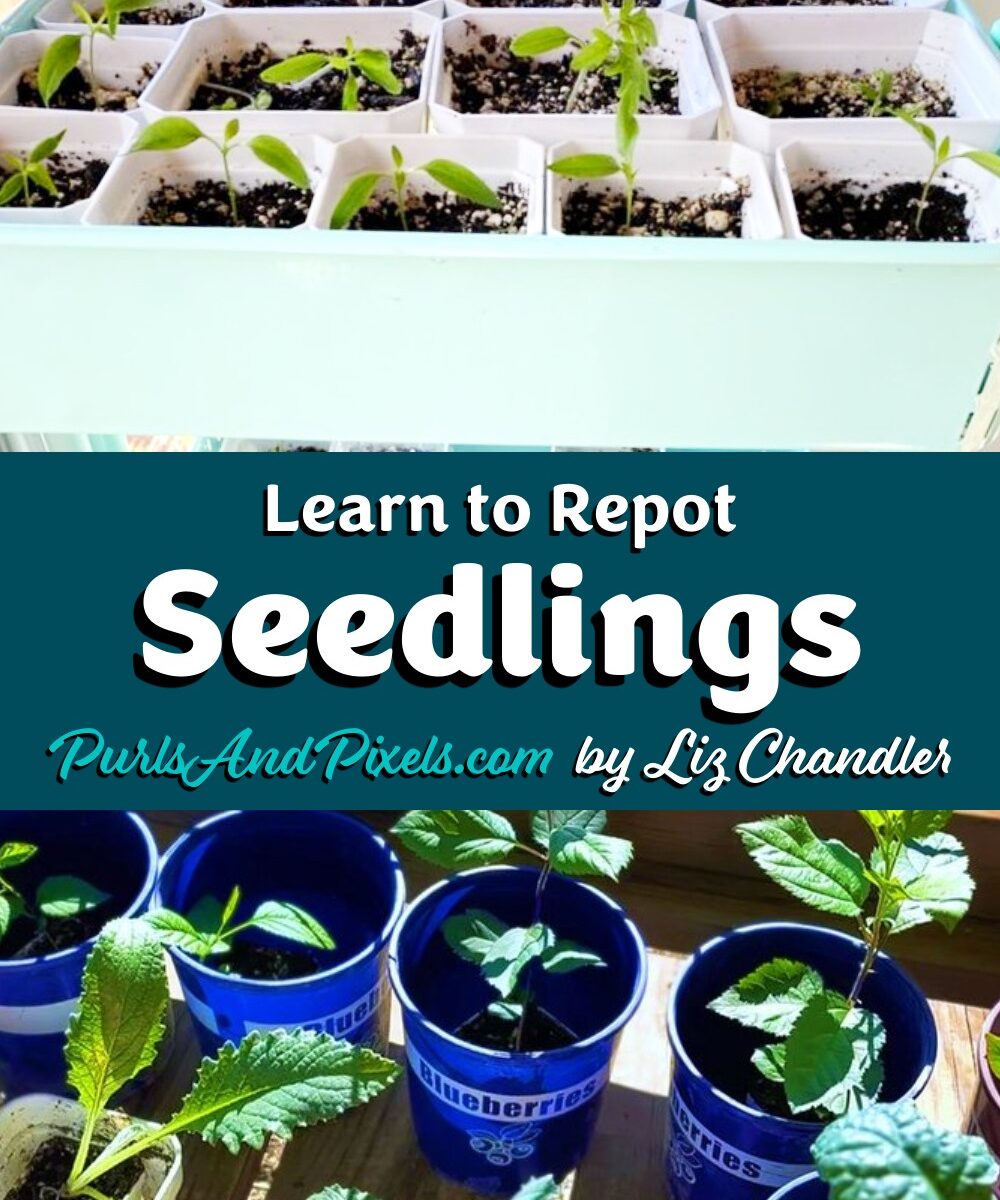
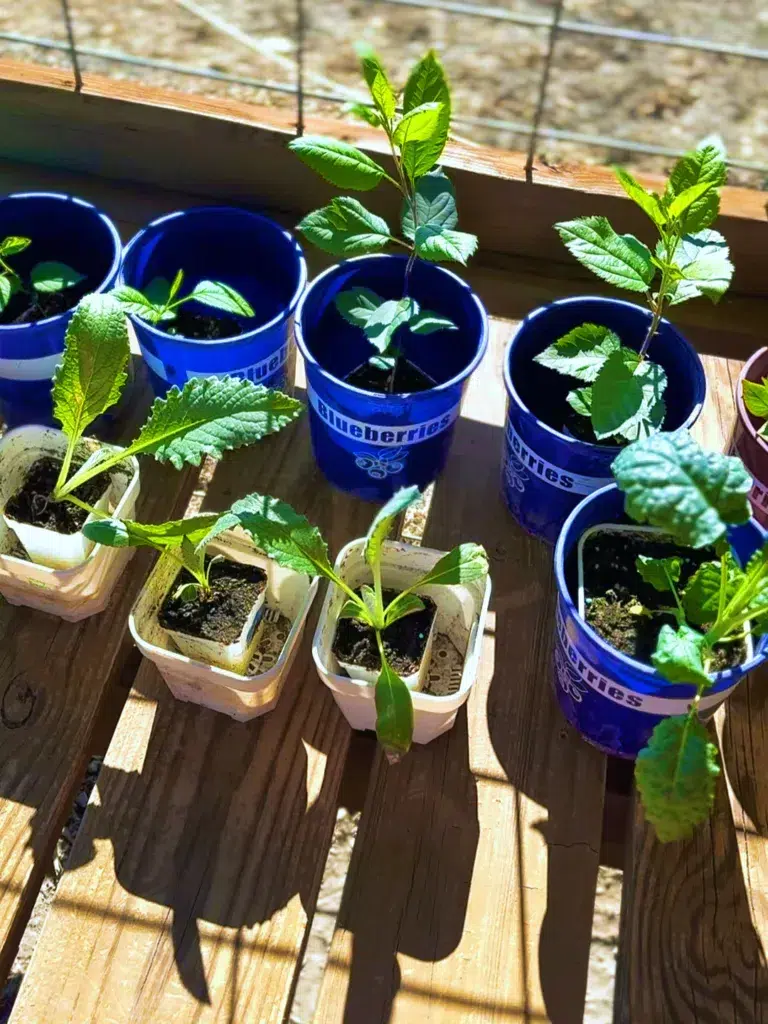
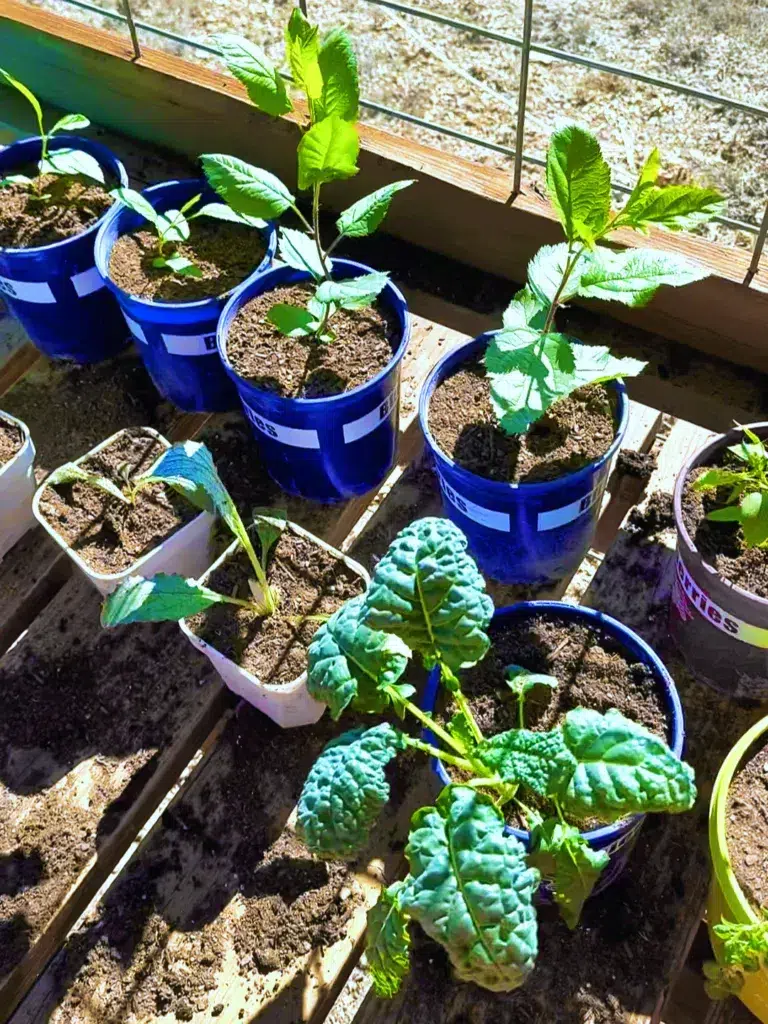
Hope this update finds you in good spirits! Hold onto your knitting needles because it’s time for a report on the wild antics of my New Year’s Day seedlings, starring the one and only seedling repotting extravaganza. It has been two months now and my little baby plants have outgrown their first pots.
Apple Seedlings
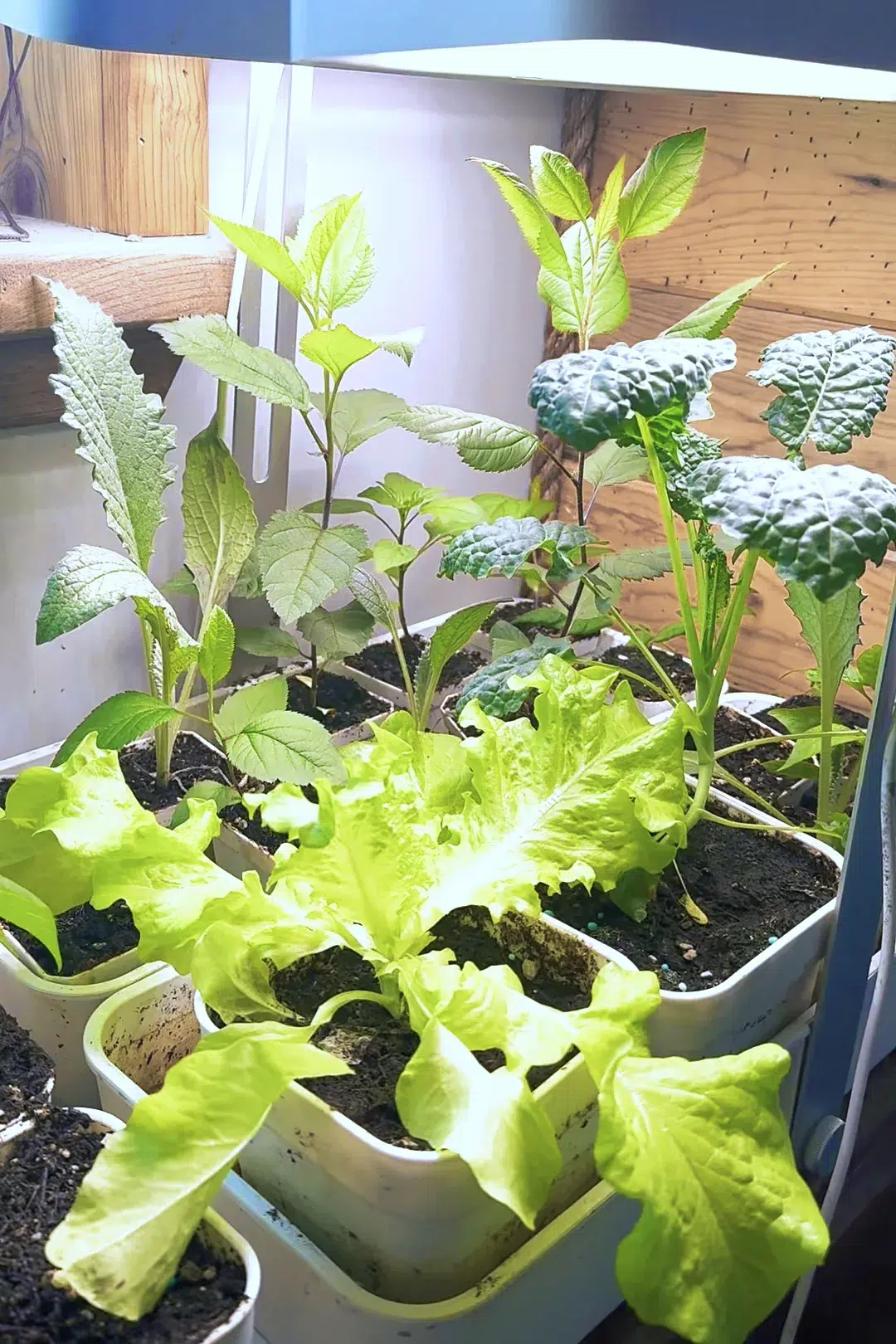
Take the apple seedlings, for instance. These mischievous little sprouts are tossing leaves and shoots around like they’ve discovered the secret to a plant rave. Their repotting makeover has transformed them into the life of the botanical party. I’m envisioning a future of bountiful apple harvests, providing both sustenance and ample inspiration for my knitting escapades.
Artichoke Seedlings
And then there are the artichokes, living their best lives in upgraded accommodations. With newfound space, they’re flaunting extravagant leaf unfurling ceremonies. It’s like they’re rehearsing for a vegetable beauty pageant, and I’m eagerly awaiting the day they’re crowned the queens of my knitting garden.
Pepperoncini Seedlings
In the realm of pepperoncini, things are heating up – quite literally. These VIP-treated pepper plants are flexing their green leaves and budding peppers with an extra dose of sass. I anticipate them adding some serious heat to my meals, perhaps even delivering a spicy stand-up comedy routine on the side.
Indoor Tomato Plant
And as for my indoor tomato houseplant I started last fall? It has a green tomato to boast about! Picture this tomato strutting its stuff, declaring, “Look what I can do!” Who knew repotting could turn a tomato into a superstar?
As I navigate the unpredictable world of repotted seedlings, it’s clear that New Year’s Day was just the opening act for a dramatic comedy of plant proportions. Stay tuned for more laughs and updates as we continue this horticultural stand-up routine. Here’s to a year filled with knitting, gardening, and the joy of watching our repotted seedlings steal the show!
Repotting Seedlings 101: Time to Give the Plants a New Home
Now that we’ve had our share of laughs with the sprightly seedlings, let’s delve into the not-so-serious, but very important, matter of repotting these green comrades. Because, let’s face it, even plants need a change of scenery every once in a while!
Step 1: Choose the Right Pot
Think of it as matchmaking for your plants. Find a pot that’s just the right size – not too big, not too small. You don’t want your seedlings feeling like they’re in a mansion or stuck in a studio apartment. Goldilocks would be proud.
Step 2: Mind the Roots
When you are working on seedling repotting, make sure to be careful with the delicate roots. It’s like giving your plants a spa day. Gently loosen the roots from their cozy starter pot. Don’t be too harsh; remember, it’s a delicate operation, not a wrestling match. We’re aiming for happy, not traumatized.
Step 3: Fresh Soil, Fresh Start
Think of this as a plant vacation – new soil, new adventures. Choose a nutrient-rich mix to give your green buddies the best start in their upgraded homes. Maybe throw on a little “Welcome to the Jungle” soundtrack for added flair.
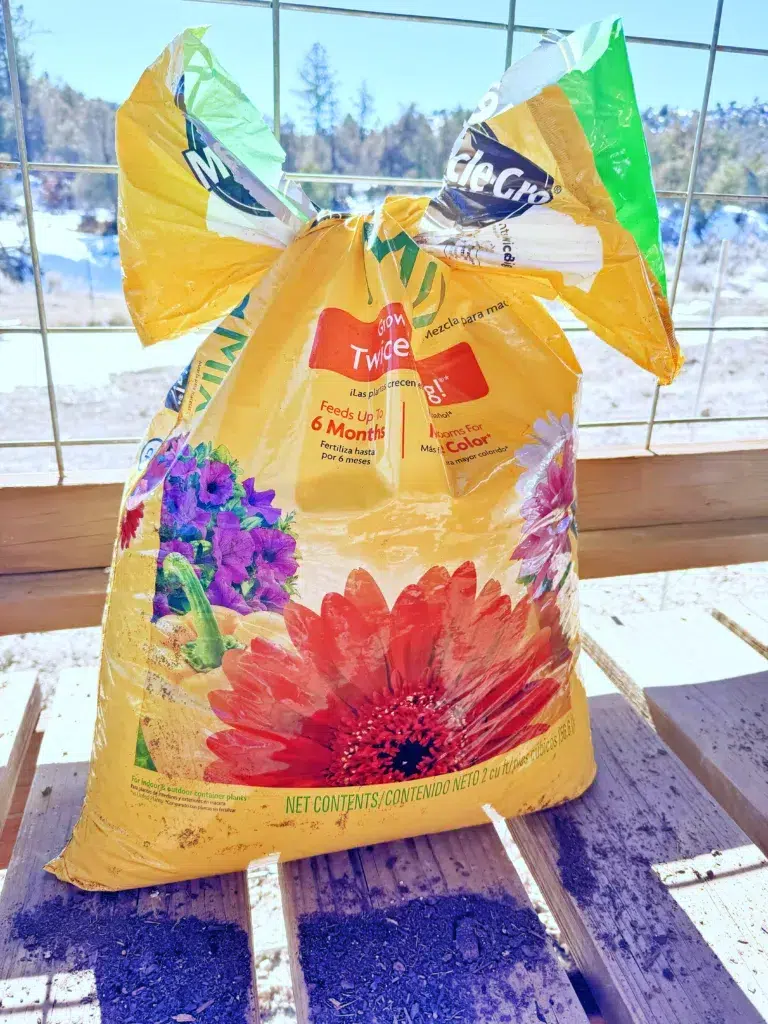
A little pro top for those soil bags….
When opening your soil bag, don’t cut horizontally at the top. Instead cut a vertical silt down from the top. You’ll be able to tie the top of the bag closed when your done. No more spilling dirt all over the place!
Step 4: Water with a Sprinkle, Not a Flood
Plants appreciate a good drink, but let’s not turn this into a water park comedy. Be mindful not to overflow their new digs; a gentle sprinkle will do. Imagine it’s a sophisticated tea party for your seedlings, not a wild pool party.
Step 5: Sunlight Serenade
Just like us, plants need their daily dose of Vitamin D. Place them in a spot where they can bask in the sunlight, not in a dark comedy corner. Let them soak up the rays, and watch them flourish like little botanical superstars.
And there you have it – the not-so-serious guide for seedling repotting. Remember, it’s all about creating a pleasant environment where your green friends (and you) can thrive. Happy repotting, and may your plants enjoy their new homes!
Stay tuned, because now that there are some open starter pots, I’ll be trying to grow Celery for the first time this year… It should be an interesting project!