Knit Wasp Nest Decoy

A Free Knitting Pattern from Liz Chandler 🐝

So, I have a problem with wasps. Well, not really a problem; they are great helpers in the garden eating all the aphids. But, when they try to turn my sacred porch space into their new nursery, I get annoyed (or worse, stung). To keep these little stinkers out of my space I’ve designed a knit wasp nest decoy that should be weather-proof.

Last year, I tried the classic “paper bag trick” to keep wasps from nesting near the house. You know the one: crumple a brown paper sack to look like a wasp nest, hang it up, and hope for the best. It worked really well… until it rained. Then it just looked like sad trash blowing in the wind.

A wasp nest decoy made of brown paper works, but doesn't last. Try my knitting pattern to make a more weather-proof knit wasp nest decoy.

This year, I’m declaring war. I’ve been stung too many times, and I’m done playing nice. So I grabbed some UV-resistant paracord and knit myself a proper wasp nest decoy. I stuffed it with a gray trash bag for structure. Now, it’s tough enough for summer storms, realistic enough to fool territorial insects, and, let’s be honest, a lot more fun to make.

Wait… Do Fake Nests Actually Work?

Yes… for the right bugs.

Most hornets, paper wasps, and yellowjackets are extremely territorial. If they see another nest in the area, they usually back off and go find a less “claimed” spot, often hundreds of feet away.

To the wasps? This is an intruder’s home base.
To me? It’s a cozy little hot air balloon decoration with a purpose.

These wasps are great for the garden but terrible for porch living. Keep them from building a nest in unwanted places with a hand knit wasp nest decoy designed by Liz Chandler @PurlsAndPixels.

And unlike the paper version, this one:

  • Holds its shape through wind and rain
  • Won’t disintegrate in a week
  • Actually looks like the real thing (but without the buzz and bite)

If you get nests popping up on your home, put up a decoy. It may be just enough to make the wasp change their mind about their spot. Or, you might have to knock these little nests down (if you can’t do it safely yourself, contact a professional). Placing the decoy can make the wasps think whatever lives in the fake hive ruined their nest.

A paper wasp nest begins as a small grey honeycomb like structure.

What It Won’t Do

This won’t repel:

  • Ants
  • Mosquitoes
  • Bees (they’re unbothered by wasps)
  • Termites or ground dwellers

But if your porch or eaves are regular nesting sites for hornets or wasps, this might be just the nudge they need to build elsewhere.

Knit wasp nest decoy hanging on the porch. Get the free pattern from Liz Chandler @PurlsAndPixels.

Where to Hang It

  • Under eaves
  • Porch rafters
  • Barns, sheds, or garages
  • Any spot that’s been a favorite for wasps in the past

Choose a place that’s visible to flying insects but slightly sheltered. Early in the season is best. It is easier to deter wasps before nests are started.

How to Knit this Wasp Nest Decoy Pattern

This quick knit is worked in the round and shaped to mimic the tapered, layered form of a real wasp nest. It’s practical, weirdly charming, and deeply satisfying, especially if you’ve ever flailed around with a broom trying to knock a real one down.

Use a UV resistant nylon paracord for this project to keep it sun and water resistant. I chose a gray color, but light brown also works for this decoy. Then, stuff with a plastic bag to keep it’s shape.

Materials to Knit a Wasp Nest Decoy

Knitting Needles

Double Point Needles (DPNs)

Or Long Circular Needles

Yarn

One 100 Foot Hank of Paracord* (shown Paracord Planet Paracord color Diamonds), in your choice of color.

* Length estimated with Paracord Planet Paracord; other materials may vary. Does not include gauge swatch.

Tools

Gauge 

8 stitches x 10 rows = 4 x 4 inches in Stockinette Stitch on No. 10 (6.0 mm) needles.

Abbreviations

k = knit
p = purl
** = repeat the pattern between the asterisks
M1L = make one left [Pick up the strand between the stitch just worked and the next stitch from front to back with the left needle and knit into the back of it.]
k2tog = knit two together

Paracord and US No. 10 knitting needles will get you started on making your own wasp decoy. Get the free pattern from Liz Chandler @PurlsAndPixels.

Instructions: Wasp Nest Decoy

(measures 6 inches [15.24 cm] tall by 5 inches [12.7 cm] wide)

This project is knit from the top down. Use the Long-Tail Cast On method. Knit in the round. For Double Point Needles, follow DPN instructions written in italics. For circular needles, follow Magic Loop instructions written in bold. If desired, use a stitch marker to keep track of the beginning/ends of your rows/rounds by placing it between the last and first stitch of each row/round.

[Using DPNs or long circular needles] Row 1: Cast on 6 stitches. Divide onto 3 DPNs (2 on each DPN). Or separate stitches on long circular needles for Magic Loop (3 on each side). (6 stitches)

Row 2: Join the round (taking care not to twist stitches) and k 6. (6 stitches)

Row 3: *k, M1L* x 6. (12 stitches)

Row 4: k 12. (12 stitches)

Row 5: *k, M1L* x 12. (24 stitches)

Row 6: k 24. (24 stitches)

Row 7: *k, M1L* x 24. (48 stitches)

Rows 8 – 11: k 48. (48 stitches)

Row 12: *k 2, k2tog* x 12. (36 stitches)

Row 13: k 36. (36 stitches)

Row 14: *k, k2tog* x 12. (24 stitches)

Rows 15 – 17: k 24. (24 stitches)

Row 18: *k, k2tog* x 12. (12 stitches)

Row 19: k2tog x 6. (6 stitches)

Turn wrong-side (purl-side) out.

Cut yarn and draw through remaining 6 stitches.

Bring the yarn tail from the bottom of the project through to the inside up towards the top. Tie both yarn tails together to create a loop that can be used to hang the decoy.

Stuff the decoy with a plastic bag or your desired weatherproof filling.

Printable version of this free knitting pattern

Printable Free Wasp Nest Decoy Knitting Pattern PDF by Liz @PurlsAndPixels

Learn to knit a weatherproof wasp decoy with Liz Chandler's free pattern at PurlsAndPixels.

⚠️ Quick Disclaimer:

This project is a preventive trick, not a full-on wasp removal plan. It may deter hornets, paper wasps, or yellowjackets, especially if used early in the season before nests are built. But if you’ve already got an active infestation, please don’t try to knit your way out of it.
Call a pest control professional to handle the sting-y stuff safely.

Enjoy your relaxing porch time by keeping yellowjackets from building their own nests. Use a decoy knit yourself with a pattern from Liz Chandler @PurlsAndPixels.

Liz Chandler of PurlsAndPixels.

This pattern is for personal use, gifting, and charitable donation of completed items. You may also sell handmade items created using this pattern. Do not copy this pattern and distribute it. If you’d like to share the pattern, refer your friends to my website, purlsandpixels.com so they may obtain a copy.

If you find any errors or have any questions, email purlsandpixels@gmail.com and I will do my best to help.

I’d love to see your finished work! Tag your photos with @PurlsAndPixels on Twitter or Instagram.


Quick & Easy Coffee Cup Cozy: Fun to Knit and Use

🧣Chunky Knit Scarf Pattern: Simple, Quick, and Beautiful

🙏 Gratitude Blanket Pattern: Cozy Comfort for Every Home

🛁 Double-Thick Cotton Washcloth Pattern: Knits Up in No Time

🥾 Quick & Easy Boot Cuffs Knitting Pattern: Cute & Cozy

Looking for More Help Around the Homestead? 🌱

Don’t Miss a Stitch! 🧶

Love cozy knitting projects? Sign up for my newsletter to get more free patterns, helpful tips, and updates straight to your inbox. 💌

Colorado’s False Spring

Learn why Colorado's false spring means you need to wait to plant your garden. Don't let the weather fool you. Read Liz Chandler's gardening tips at PurlsAndPixels.

Hold your Tomatoes, Folks; It’s Not Time to Plant Outside Yet! 🌱❄️

If you’re anything like me, the first warm breeze of Spring makes you itch to get your hands in the dirt. The snow melts, the sun peeks out, and for a moment, it feels like Mother Nature is giving you a green light. Spoiler alert: she’s not. She’s messing with you. Welcome to Colorado’s infamous false spring.

Colorado's false spring can trick you into planting and irrigating a bit too soon... then you get ice coated plants, fences, and trees. Read Liz Chandler's gardening tips at PurlsAndPixels.

What Is a False Spring?

A false spring is that tricky period when warm temperatures arrive early, coaxing plants (and gardeners) out of hibernation; only for a late freeze or snowstorm to swoop in and cause damage. In Colorado, it’s not just a possibility; it’s basically tradition.

We can have 70+°F days in April and still get hit with a blizzard in May. I’ve seen lilacs blooming one day and encased in ice the next. I’ve also seen far too many eager gardeners lose entire crops of tomatoes, squash, and peppers because they planted during this sunny bait and switch.

Yesterday, May 13 was a beautiful 73 degree afternoon. Then the weather app dropped a freeze alert for the next few days. False spring is real.

So When Can I Plant Outside?

The golden rule of all gardening? Wait to plant outside until after your average last frost date. That applies everywhere, but in Colorado, it’s non-negotiable. Especially in the high mountain desert, dry winds, wild temperature swings, and random snowstorms are the norm. That could mean waiting to plant outside until much later than you might expect. In Colorado, for example:

  • Lower elevations (Denver, Pueblo): around May 15
  • Mountain towns (above 7,000 feet or so): usually June 1 or later

I know. It’s painful to wait. But trust me: planting too early isn’t just risky; it’s wasteful. Your starts might survive a frost with row covers, but they won’t thrive. Cold-stunted plants = lower yields and more heartbreak.

⬆️ Not sure of your frost date? Check your local zone here.

Even the trees can be fooled by Colorado's false spring. Even if the fruit trees are blossoming, we can still get a late snow and freeze the buds. Read Liz Chandler's gardening tips at PurlsAndPixels.

What Can You Do Instead?

You don’t have to sit on your hands. Here’s what I do during false spring:

About Those Hoses & Sprinklers

Around here, plenty of home gardeners and ranchers are already watering during the day: sometimes we have to with our dry climate. While ranchers’ irrigation setups can usually handle a bit of freezing, your garden hose and outdoor spigot probably can’t. If you’re watering this time of year, make sure to unhook your hoses and sprinklers at night. A quick dip below freezing is all it takes to crack a faucet or split a hose. It’s one of those little habits that can save you a big headache when real spring finally sticks around.

Irrigation sprinklers often freeze up in the early months of spring. Don't plant outside durring false spring - your garden plants can't tolerate the cold. Read more from Liz Chandler @PurlsAndPixels.

Tools I Actually Use (and Love)

Living pretty far from the hardware store, I get a lot of my gardening gear on Amazon. Find a full list of my favorite gardening finds on Amazon (affiliate link):

Shop Liz Chandler's garden tool recommendations like a kitchen top planter, seed kit, or digging tools with these affiliate links.

PSA: Don’t Let the Internet Rush You Planting Too Soon

Every spring, the internet lights up with planting pics, lush gardens, and early harvests from warmer places. Don’t let it fool you into jumping the gun. Just because someone else is posting bean sprouts doesn’t mean it’s planting time here. Use this season to plan, prep, and get inspired. When the nature is ready, you’ll be more than ready to start humming along.

Your full summer garden is just around the corner, flowers, hummingbirds, and all. Read more from Liz Chandler @PurlsAndPixels.

Don’t be Fooled by Some Beautiful Spring Weather

If you’re gardening in Colorado, the best thing you can grow in early spring is patience (and maybe some spinach). False spring is beautiful but brutal. So take a breath, sip your coffee, and wait it out.

Then, when the real spring arrives? You’ll be ready; and your plants will thank you.

Snow falling on tulips is a frequent sight in Colorado. False spring tricks plants into blooming, then drops a surprise cold snap, nearly every year. Read more from Liz Chandler @PurlsAndPixels.

🪴 Growing an Indoor Herb Garden

🌱 Planning to Garden This Year? Start Here! 

🌿 Building Your Backyard Garden from Scratch

🥕 Harvesting Carrots: When and How to Pick Your Crop

🌱 Starting Seedlings: A New Year’s Guide

Stay Grounded

Love gardening and cozy living? Sign up for my newsletter to get free guides, seasonal tips, and updates straight to your inbox. 💌

What to Feed Baby Chicks in a Pinch

Run out of chick starter? Learn what I feed my chicks in a pinch and get my emergency baby chick feed recipe 💞 Liz Chandler @PurlsAndPixels.

Homemade Emergency Chick Feed from Kitchen Staples🥚

If you have been following along, you already know I just hatched a healthy bunch of chicks. Fifteen out of twenty-four eggs made it, and they are thriving. They are about two weeks old now, and we are well past the yolk sac phase. But this morning, I hit a snag: I ran out of chick starter feed.

Living in a rural area, I cannot exactly dash out for feed at six a.m., so I had to improvise. Here is what I fed my baby chicks using pantry staples. Spoiler alert: they loved it.

Sometimes you run out of chicken feed. Here is what I do….

Emergency Chick Feed Recipe for Baby Chicks 🐥

Ingredients:

  • 1 dozen hard-boiled eggs (including shells)
  • Generous shake of ground cinnamon
  • A few pinches of red pepper flakes
  • A generous pour of dry oats

Instructions:

  1. Boil the eggs until solid, then peel and keep the shells. These are a great source of calcium.
  2. Mash the entire egg, including the shell, with a potato masher until it no longer resembles an egg. The goal is zero recognition. No confusing breakfast for relatives.
  3. Stir in cinnamon and red pepper flakes.
  4. Add dry oatmeal to soak up moisture and provide texture.

This batch made enough for two full feedings for my brooder of hungry chicks.

Keep refrigerated between feedings and use within 24 hours to maintain freshness and prevent spoilage.

Use sparingly and not as a replacement for real chick feed (affiliate link).

Emergency chick feed recipe from Liz Chandler @PurlsAndPixels. Feed sparingly and not as a regular replacement for real chick feed.

Bonus: Adult Chickens Love It Too 🐔

I also give a version of this mash as an occasional treat to my adult chickens. I throw in leftover greens, cooked vegetables, and other healthy kitchen scraps to bulk it up. They go wild for it, and it is a great way to reduce waste while giving them something nutritious and fun to scratch through.

Red Pepper Flakes and Cinnamon? But, Can Chicks Eat Spices? 🌶️

Yes, chickens can eat spicy things, for a very surprising reason. Chickens do not have receptors for capsaicin, the spicy compound found in chili peppers. That means red pepper flakes will not bother them at all. In fact, hot peppers and cinnamon can help deter pests and may even support digestive health. Cinnamon is thought to offer mild immune support and reduce mold growth, making it a handy pantry addition.

Ground cinnamon is a healthy addition to chicken snacks and work in emergency backup chick starter feed. Recipe from Liz Chandler @PurlsAndPixels.
Crushed red pepper flakes are a healthy addition to chicken snacks and work in emergency backup chick starter feed. Recipe from Liz Chandler @PurlsAndPixels.

Add Apple Cider Vinegar to Their Water 🍎

When using a homemade chick feed, it is helpful to add a splash of raw apple cider vinegar (about one tablespoon per quart of water) to their waterer. This may support gut health, boost immunity, and help keep the water clean. However, avoid using it daily. Three to four times a week is plenty.

Why This Works in a Pinch

⚠️ This is not a long-term feeding solution, but it checks the boxes when you are in a bind:

  • Protein: Eggs provide high-quality protein that is essential for early chick development.
  • Calcium: Crushed shells offer calcium to support bone strength. Be sure they are finely mashed to avoid egg-eating habits later on.
  • Spices: Cinnamon and red pepper flakes are natural additives that may help control bacteria and parasites.
  • Oats: Gentle on digestion and good for fiber.
Out of chick starter? Learn what I feed my chicks in a pinch if I can't get to town right away. Get the recipe from Liz Chandler @PurlsAndPixels.

How Long Is This Safe for Baby Chicks?

This homemade mix can sustain your chicks for up to one or two days. That should be enough time to pick up a proper chick starter feed. Return them to their regular balanced ration as soon as possible.

Rural Living Tip 🏔️

If you can, keep an extra bag of chick starter on hand. But if you run out, do not panic. A dozen eggs and a few pantry basics can help you bridge the gap. Just do not make it your go-to method.

Quick Note from the Coop 🐣

This mix worked well for my chicks, but every flock is different. If something does not sit right with your little fluffballs, please trust your gut and do what feels safest. This is just a stopgap meal shared from one chicken mama to another. This is not veterinary advice.

Out of chick starter? Learn what I feed my chicks in a pinch if I can't get to town right away. Get the recipe from Liz Chandler @PurlsAndPixels.

Did You Enjoy Learning What I Feed Baby Chicks in a Pinch?

Browse more tips, homestead resources, and beginner-friendly gear recommendations right here on the blog.

🐔 The Joy and Practicality of Raising Backyard Chickens

🐥 Where I Keep Baby Chicks

🐤 When to Move Chicks Outside

🪹 What I Did When My Hens Stopped Laying in the Coop

🐻 Keeping Bears Out of the Chicken Coop

📺 Follow PurlsAndPixels on YouTube for More of my Cozy Videos

🧺 Shop my Favorite Chicken Keeping Essentials on Amazon (affliate link)

Don’t Miss a Peep

Love cute and cozy things? Sign up for my newsletter to get more homesteading stories, ideas, and updates straight to your inbox. 💌

What Is Continental Knitting?

What is Continental Knitting? Learn how to knit with the yarn in your left hand using free lessons by Liz Chandler @PurlsAndPixels.

Continental Knitting Explained 🧵

If you’ve ever seen someone knit so quickly it looks like magic (or maybe old-school homestead sorcery), they might be using Continental knitting. This technique, often called “picking,” involves holding the yarn in your left hand and grabbing it with the needle rather than wrapping it around manually. It’s efficient, elegant, and a favorite among speed knitters and cozy crafters alike.

What Makes Continental Knitting Different?

Unlike English-style knitting (where the yarn is held in the right hand and “thrown” around the needle), Continental knitting keeps the yarn tensioned in the left hand. The right needle grabs or “picks” the yarn to form each stitch: less flailing, more flow.

Continental knitting tends to be faster for many folks once they get the hang of it. Because there’s less hand movement between stitches, your projects can fly off the needles. It’s perfect for finishing up a sweater before the snow hits or gifting beanies to everyone at the bonfire.

Continental Knitting vs. English Knitting

Benefits of Continental Knitting for Beginners

  • Speed: With practice, it can dramatically increase your knitting speed.
  • Efficiency: Fewer movements mean less hand strain, which can help reduce repetitive stress injuries.
  • Great for left-handed knitters: Since the yarn is in your left hand, some lefties find this method more intuitive.
  • Smooth colorwork: Stranded knitting (like Fair Isle) is easier because you can hold one color in each hand and feel like a yarn-wielding wizard next to the woodstove.

Personal Note from Liz 🖋️

I actually never learned to knit any other way. Because I started with crochet, knitting Continental felt more natural from the start. Holding the yarn in my left hand just made sense. There was no awkward learning curve or dramatic battle with tension. I didn’t even know it had a fancy name; it was just what my hands wanted to do.

Now, I teach Continental knitting in my lessons at PurlsAndPixels.com/learn-to-knit because it helps beginners build even tension and knit more fluidly from the start. That page walks you through step-by-step video tutorials for each foundational skill: from casting on, to knitting and purling Continental style, to finishing your first project with rustic flair.

Continental Knitting Tips for Beginners

Want to try this right away? Grab your yarn and follow along with my free video tutorials at my Learn to Knit Index. You’ll be grabbing stitches like a pro in no time.

How to hold your yarn when knitting, a lesson from Liz @PurlsAndPixels

Common Mistakes When Learning Continental

Should You Switch to Continental Knitting?

If you already knit comfortably using English style, there’s no need to switch unless you’re curious or want to knit fast enough to make your coffee jealous. But if you’re just starting out, Continental knitting can be a smoother road to even stitches and faster progress.

Get Started with Continental Knitting Lessons

🧵 Want a head start? Sign up here to get my free Knitting Starter Kit. It includes printable cheat sheets, beginner tips, a free pattern, and everything you need to start stitching with confidence.

🧶 Ready to follow along? Visit the Learn to Knit Index to get free knitting lessons, watch full video demonstrations, get a printable guide, and explore beginner-friendly knitting patterns to get you going.

📚 Prefer books? Grab a copy of Liz Chandler’s Knitting Guide: Learn to Knit with Practical Patterns, an all-in-one, eye-catching textbook with step-by-step instructions, patterns, and guidance to take you from your first stitch to your first finished project.

Frequently Asked Questions about Continental Knitting

Q: Is Continental knitting better than English?
A: It depends on your style. Continental is faster and more ergonomic for some knitters. English style might feel more natural if you’re used to it.

Q: Is Continental knitting good for beginners?
A: Absolutely! Especially if you’ve crocheted before, holding yarn in your left hand will feel familiar.

Q: Can Continental knitting improve my speed?
A: Yes. Many knitters report faster knitting with less hand fatigue once they get used to the movements.

Q: What’s the best yarn for learning Continental knitting?
A: A medium-weight yarn (like worsted) in a light color makes it easier to see your stitches. Pair it with wood or bamboo needles to keep things steady.

Tried this method? Tag me @purlsandpixels so I can cheer you on! Or leave a comment on the blog—I love hearing about your projects.

📍 Putting the First Stitches on Knitting Needles: Learn to Cast On

🧶 How to Knit: The Knit Stitch (Continental Style)

🧵 How to Purl: Continental Purl Stitch for Beginners

✂️ How to Bind Off in Knitting (Step-by-Step Guide)

Don’t Miss a Stitch! 🧶

Love cozy knitting projects? Sign up for my newsletter to get free patterns, helpful tips, and updates straight to your inbox. 💌

DIY Chicken Coop Dust Mask Alternative: Use a Kid’s Worn-Out Shirt for Sustainable Homestead Cleaning

Learn how an old, worn-out kid's shirt can make a excellent dust mask substitute in a pinch. Tip from Liz Chandler @PurlsAndPixels on homestead chicken coop cleaning.

Because sometimes the best gear is already in your laundry pile. 👕

Cleaning the chicken coop is not glamorous, but it is part of the homestead routine. It goes right alongside gathering eggs and keeping an eye on that one suspicious rooster. If you have ever stepped into the coop on a dry day, you know how quickly dust can rise and coat everything, including your lungs. I always wear a dust mask, but this time I was in a pinch and needed an alternative.

This week, I needed a dust mask and did not have one. In search of an alternative, I scoured the house to find something to substitute. What I found was a pile of old kid clothes destined for the rag bag.

Enter: the humble, worn-out toddler tee. This old kid’s shirt made a great dust mask substitute. (And please don’t mind my oh-so-glamorous hairstyle – I am about to clean a chicken coop after all. 💅)

🧼 How to Make a Dust Mask from a Kid’s Shirt

This kid’s shirt dust mask is definitely not Pinterest-perfect. This is real life and ready-to-go. No sewing necessary.

Here is what I did:

  1. Grabbed one of my son’s outgrown cotton T-shirts (bonus points for stains).
  2. Pulled it over my head like a scarf, then up over my nose and mouth.
  3. Tucked the collar over my ears for a snug fit. (No ear loops? No problem.)

And just like that, I had an instant dust barrier. I added a pair of sunglasses to keep the dust out of my eyes, which made the whole setup feel almost intentional. Sure, it is not OSHA-approved, but it kept the coop dander out of my face and let me breathe much easier.

Disclaimer: This setup is no N95, and I doubt it keeps out germs. But for the dusty chore I was doing, it was certainly better than nothing.

👕 Why This Works

  • Cotton is breathable yet still filters most of the floating feathers, fluff, and straw particles.
  • T-shirts are stretchy, so they provide a comfortable fit without pinching.
  • It is reusable. Hose it off, toss it in the laundry, and use it again.
Homestead tip: a worn out toddler shirt works as a dust mask in a pinch. 👕🐣 #homesteadlife

🐣 Bonus Tip

This method also works well when stirring compost, mowing dry fields, or handling dusty hay.

If you are looking for ways to clean your chicken coop without store-bought masks or expensive gear, this easy DIY hack can help you breathe easier and save money.

🌾 Real Homesteading Is About Resourcefulness

You do not need expensive equipment to do the job well. Often, all you need is something clean-ish, soft, and stretchy.

Homestead cleaning hack using kid's shirt and sunglasses a tip from Liz Chandler @PurlsAndPixels.

And those stained, worn-out shirts that are too rough for Goodwill donations? They are perfect for this task.

Read More

Enjoy homesteading and gardening tips like this dust mask alternative? Explore more small farm content:

🌱 10 Tips for Starting Your Homestead: Simple Steps to Turn Your Dream into Reality

🧰 5 Simple Tips to Keep Your Homestead Running Smoothly (Even When Life Feels Chaotic)

🌸 Defeating Bindweed: A Gardener’s Battle

🥕 Harvesting Carrots

🏡 Cozy Lifestyle Basics: Mountain Living Edition

🧺 Shop Liz’s Favorite Homestead Supplies on Amazon (affiliate link)

Homestead Living Essentials

✨ Never Miss a Homestead Story 

Join my newsletter for exclusive patterns, homesteading tips, and wildlife updates! 💌

Homestead Planning

Get homestead planning tips from Liz Chandler @PurlsAndPixels. Download your free planner today!

How to Set Realistic Goals for Your Homestead (and Actually Reach Them) 💪

Homesteading is full of dreams: lush gardens, happy animals, cozy handmade goods, and a pantry stocked for winter. But getting from “dream” to “done” takes more than just hope. It takes planning clear, realistic homesteading goals that actually fit your life.

If you have been feeling overwhelmed, behind, or even a little defeated on your homesteading journey, you are not alone. Setting good goals can make the difference between a homestead that fuels you and one that drains you. (Ask me how I know.) Here is how to do it right.

Want a little extra help? Grab the free Homestead Goal Planner Printable (PDF) to map out your goals as you read!

Freshly picked food is a great reason to start a homestead. Plan yours with the free homestead planning guide from Liz Chandler @PurlsAndPixels.

1. Start with Your “Why”

Every good homestead goal starts with a reason. Are you trying to eat healthier? Save money? Sell extra produce for a little side income from your homestead? Spent more time in nature?

Knowing your “why” will help you pick homesteading goals that matter to you, not just what everyone else is doing.

What is your homesteading motivation? Use that to help set your goals. Mine is being in nature more. Set your goals with the free homestead planner from Liz Chandler @PurlsAndPixels.

2. Choose One Focus at a Time

It is tempting to want it all at once: chickens, bees, gardens, goats, fruit trees, sourdough bread, and homemade soap. (One year, I tried all of it at once… and let’s just say, the weeds were the only ones thriving.)

Pick one major homesteading project to focus on first. Maybe this year is the year of “learn to raise chickens” or “build the garden beds.” Let everything else wait until you have mastered your first goal.

Start step-by-step and you'll have a big basket of eggs from your backyard chickens. Get the free homestead planning guide from Liz Chandler @PurlsAndPixels.

3. Break Big Dreams into Tiny Steps

Big dreams are great. But “grow all our own food” is too big to tackle all at once. Instead, break it down:

  • Build one 4 x 8 foot garden bed
  • Plant 3 easy crops (like lettuce, radishes, and green beans)
  • Learn basic composting skills

Small steps keep the momentum going. Every little win counts when building your homestead.

Little seeds take time to sprout, but it is worth it to help avoid pests on your indoor herb garden.

4. Plan for Setbacks (Because They Will Happen)

Gardens fail. Chickens get sick. Unexpected bills pop up. Homesteading life happens.

The key is to expect bumps in the road. When they come, adjust. (The year I finally planted tomatoes, we had a surprise June frost. You just have to laugh and try again.) A goal delayed is not a goal denied. Stay flexible, and you will stay on track over the long haul.

When setting homesteading goals, plan for mistakes and failures. Nothing is perfect, but that doesn't mean you can't build your dream homestead. Read more from Liz Chandler @PurlsAndPixels.

5. Celebrate Progress, Not Perfection

Homesteading is not about having a magazine-perfect property. It is about building a life that feels good to you.

Celebrate each step: the first egg, the first tomato, the first day you sit on the porch with a cup of tea from herbs you grew yourself. These wins are what homestead success looks like. (And the world has never ended over crooked rows of carrots.)

Planning your homestead can include raising chickens, eggs, and more. Get your free printable homestead goal planner from Liz Chandler @PurlsAndPixels.

Why Setting Homestead Goals Leads to Long-Term Success

Setting realistic homesteading goals is one of the best ways to grow a successful, fulfilling homestead. Focus on what matters most, break it down into manageable steps, and celebrate every win, big or small.

Your homesteading journey will be messy, muddy, and yours. Start small. Stay steady. Trust yourself. And when you need more practical tips for starting a homestead, managing daily challenges, or keeping your dream alive even when life gets chaotic, I am here to help. 🏡

Free Homesteading Goal Planner

Free Homesteading Goal Planner PDF from Liz Chandler @PurlsAndPixels.

🌿 Don’t forget to download your free Homestead Goal Planner Printable (PDF) to get started!

Get the free Homestead Goal Planner from Liz Chandler at PurlsAndPixels and start planning your perfect homestead.

Read More

🌱 10 Tips for Starting Your Homestead: Simple Steps to Turn Your Dream into Reality

🧰 5 Simple Tips to Keep Your Homestead Running Smoothly (Even When Life Feels Chaotic)

🌸 Defeating Bindweed: A Gardener’s Battle

🥕 Harvesting Carrots

🏡 Cozy Lifestyle Basics: Mountain Living Edition

👕 DIY Chicken Coop Dust Mask Alternative: Use a Kid’s Worn-Out Shirt for Sustainable Homestead Cleaning

Homestead Living Essentials

✨ Never Miss a Homestead Story 

Join my newsletter for exclusive patterns, homesteading tips, and wildlife updates! 💌

Easy Chunky Knit Boot Cuffs

Make these Easy Chunky Knit Boot Cuffs in flash with this free & quick knitting pattern from Liz Chandler at PurlsAndPixels.

A Free Knitting Pattern by Liz Chandler @PurlsAndPixels 🥾

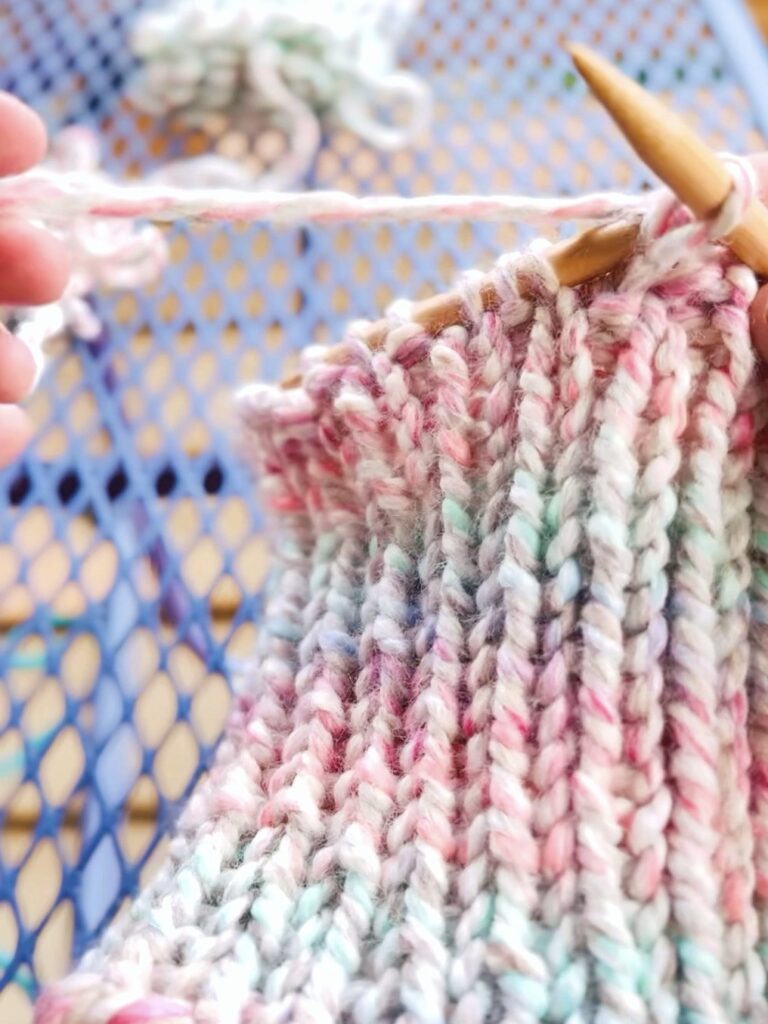
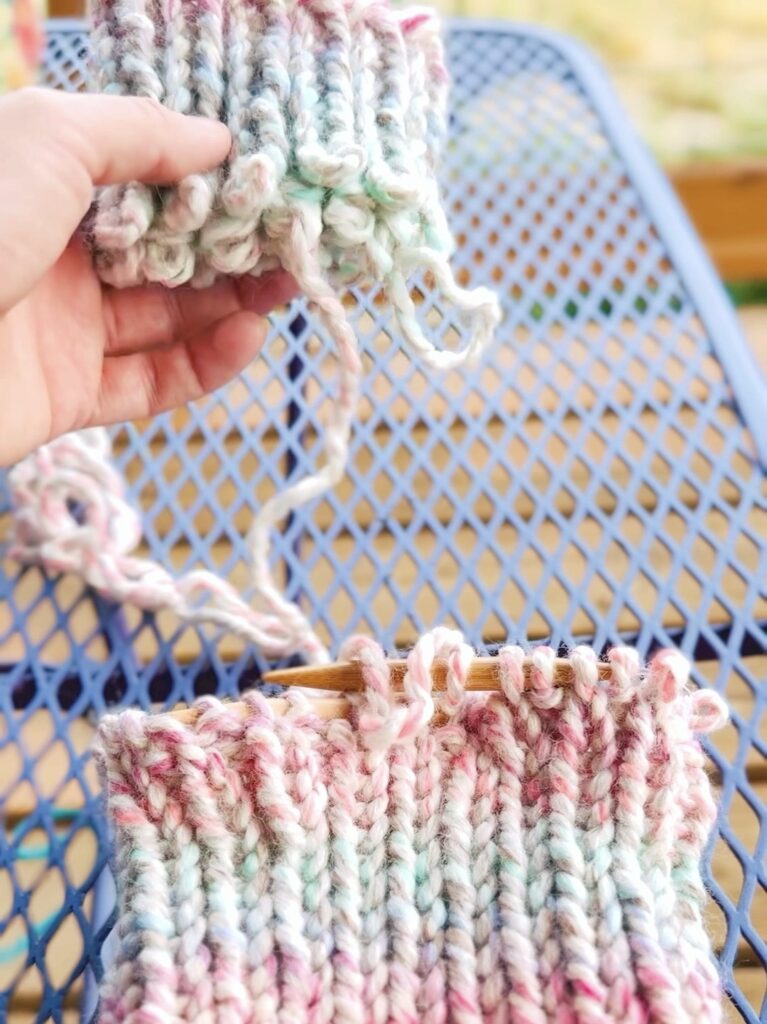
Looking for a beginner-friendly knitting pattern that is fast, fun, and actually useful? These easy chunky knit boot cuffs are a perfect pick. Designed with new knitters in mind, they use basic stitches, thick yarn, and a simple rib pattern to create a cozy accessory you can wear or gift.

⏱️ Time to make: 1 – 2 hours
🧶 Skill level: Beginner
🧵 Stitches used: Knit and purl rib (in the round)

Learn to make Easy Chunky Knit Boot Cuffs in flash with this free & quick knitting pattern from Liz Chandler at PurlsAndPixels.

Free Easy Chunky Knit Boot Cuffs

If you are new to knitting, these boot cuffs are a perfect project. They knit up quickly, use forgiving chunky yarn, and look polished even if your stitches are not perfect yet. Plus, they add a bit of cozy charm right where boots can rub, making them both practical and stylish.

Here is why this pattern works so well for beginners:

  • 🧶 Fast and forgiving: Chunky yarn means quick results and fewer stitches.
  • 🧵 Simple ribbing: Made with only knit and purl stitches.
  • 👢 Comfortable and cute: Adds a soft layer at the top of your boots.

These are just plain fun to make. You might find yourself knitting a pair for every set of boots in your closet!

🔗 Want more beginner-friendly patterns? Check out my free knitting tutorials and other cozy patterns!

Why Make These Easy Chunky Knit Boot Cuffs?

These cozy cuffs are more than just a quick win. They are practical, giftable, and stylish. Here are just a few reasons knitters love this pattern:

🥾 Stylish and versatile: Wear them tucked into boots or folded over the top for a layered look.

🧦 Boot comfort: These boot cuffs offer a comfy twist by adding extra cushioning around the ankle, right where boots can rub. They will not replace socks, but they do help make your footwear a bit more cozy.

🎁 Great for gifting: They knit up fast and look polished, making them perfect for handmade gifts.

🧶 Stash buster: Use up leftover chunky yarn in a useful way.

Get into the swing of knitting by making your own boot cuffs! Free pattern at purlsandpixels.com

Essential Skills for Your Easy Chunky Knit Boot Cuffs

Learn to Knit Online With Free Tutorials

New to knitting? You are in the right place. These free tutorials walk you through all the skills used in this project:

Want to learn more? Check out the full Learn to Knit Index or download the Free Knitting Starter Kit with printable PDFs and calm video walkthroughs.

Materials for Your Easy Chunky Knit Boot Cuffs

Knitting Needles

Circular Needles

Yarn

One 87-yard (5-ounce) skein of super-bulky (No. 6) yarn* (shown in Wool Ease Thick & Quick by Lion Brand Yarn “Carousel”), in your choice of color).

  • One pair of small boot cuffs uses approximately 27.84 yards (1.6 oz.)
    • One pair of medium boot cuffs uses approximately 34.8 yards (2 oz.)
  • One pair of large boot cuffs uses approximately 41.76 yards (2.4 oz.)

*Weights estimated with Wool Ease Thick & Quick by Lion Brand Yarn; other yarn weights may vary.

Notions

Gauge

12 stitches x 15 rows = 4 x 4 inches in Stockinette Stitch on No. 13 (9.0 mm) needles. (Learn how to check your gauge here.)

Abbreviations

k = knit

p = purl

Chunky Boot Cuff knitting pattern using extra-bulky yarn, free from Liz Chandler @PurlsAndPixels.

Instructions: Small Chunky Ribbed Boot Cuffs Pattern

(Legs 7 inches to 15 inches [17.78 cm to 38.1  cm] around; measures 5 inches [12.7 cm] top to bottom)

Use the Long-Tail Cast On method. Knit in the round. Use a stitch marker to keep track of the beginning/ends of your rows/rounds by placing it between the last and first stitch of each row/round. Make two (2) for a pair.

Row 1: Cast on 18 stitches. (18 stitches)

Row 2: Join the round (taking care not to twist stitches) and *k, p* x 9. (18 stitches)

Rows 3 – 14: *k, p* x 9. (18 stitches)

Row 15: Bind off loosely in *k, p* pattern. Cut yarn, leaving an 8-inch (20.32-cm) tail, and pull through. Weave in ends. Block if desired.


Instructions: Medium Chunky Ribbed Boot Cuffs Pattern

(Legs 10 inches to 17 inches [25.4 cm to 43.18 cm] around; measures 5 inches [12.7 cm] top to bottom)

Use the Long-Tail Cast On method. Knit in the round. Use a stitch marker to keep track of the beginning/ends of your rows/rounds by placing it between the last and first stitch of each row/round. Make two (2) for a pair.

Row 1: Cast on 22 stitches. (18 stitches)

Row 2: Join the round (taking care not to twist stitches) and *k, p* x 11. (22 stitches)

Rows 3 – 14: *k, p* x 11. (22 stitches)

Row 15: Bind off loosely in *k, p* pattern. Cut yarn, leaving an 8-inch (20.32-cm) tail, and pull through. Weave in ends. Block if desired.


Instructions: Large Chunky Ribbed Boot Cuffs Pattern

(Legs 12 inches to 19 inches [30.48 cm to 48.26 cm] around; measures 5 inches [12.7 cm] top to bottom)

Use the Long-Tail Cast On method. Knit in the round. Use a stitch marker to keep track of the beginning/ends of your rows/rounds by placing it between the last and first stitch of each row/round. Make two (2) for a pair.

Row 1: Cast on 28 stitches. (28 stitches)

Row 2: Join the round (taking care not to twist stitches) and *k, p* x 14. (28 stitches)

Rows 3 – 14: *k, p* x 14. (28 stitches)

Row 15: Bind off loosely in *k, p* pattern. Cut yarn, leaving an 8-inch (20.32-cm) tail, and pull through. Weave in ends. Block if desired.


Printable version of this free knitting pattern

Printable Easy Chunky Knit Boot Cuffs pattern PDF by Liz @PurlsAndPixels

Watch the Full How to Knit Boot Cuffs Video

Not sure how to follow the pattern? No worries! I’ve knit this boot cuff on video with lots of tips and helpful advice. Knit along with me!

How to Knit Boot Cuffs (Easy & Cozy Beginner Project!) 🧶

Caring for Easy Chunky Knit Boot Cuffs

If you use the materials called for in the pattern, your final product will be machine washable. To keep your boot cuffs looking their best, hand wash or machine wash separately on delicate cycle in cold water. Lay flat to dry. Read more about how to care for handknits here.

Make these Easy Chunky Knit Boot Cuffs in flash with this free & quick knitting pattern from Liz Chandler at PurlsAndPixels.

How to Wear & Style Your Boot Cuffs

Slide the cuffs over leggings or skinny jeans, then put on your boots. You can also fold them over the tops of your boots for a cute, finished look. The ribbing naturally hugs your leg for a snug fit.

How to wear boot cuffs 🥾🧶

2025, Liz Chandler of PurlsAndPixels.

This pattern is for personal use, gifting, and charitable donation of completed items. You may also sell handmade items created using this pattern. Do not copy this pattern and distribute it. If you’d like to share the pattern, refer your friends to my website, purlsandpixels.com so they may obtain a copy.

If you find any errors or have any questions, email purlsandpixels@gmail.com and I will do my best to help.

I’d love to see your finished work! Tag your photos with @PurlsAndPixels on Twitter or Instagram.


Quick & Easy Coffee Cup Cozy: Fun to Knit and Use

🧣Chunky Knit Scarf Pattern: Simple, Quick, and Beautiful

🙏 Gratitude Blanket Pattern: Cozy Comfort for Every Home

🛁 Double-Thick Cotton Washcloth Pattern: Knits Up in No Time

Don’t Miss a Stitch! 🧶

Love cozy knitting projects? Sign up for my newsletter to get more free patterns, helpful tips, and updates straight to your inbox. 💌

Hatching Chicken Eggs

Learn about hatching chicken eggs into baby chicks with Liz Chandler @PurlsAndPixels.

From Almost Tossed to Tiny Miracles: My First Hatch 🐣

This was not the plan.
It was not even a plan.

I had gone out of town for a few days to celebrate my son’s birthday. When we returned, the hens had been busy: there were eggs everywhere. Not a few… a lot. Some were tucked in corners. Some were still warm. Most were definitely not what you would call “clean.”

Overflowing nest boxes led me to hatch chicken eggs. Read more from Liz Chandler @PurlsAndPixels.

And I almost just tossed them all.

But something about that pile of potential made me pause.

On a whim, equal parts curiosity and defiance, I pulled out 24 of the best-looking eggs and my son and I set up the incubator. We didn’t share what we were doing. I was not sure it would work, and I did not want to get anyone’s hopes up or make them sad if nothing happened.

Setting up an incubator is easy as pie. Then you get to hatch baby chickens in your house! Read more from Liz Chandler @PurlsAndPixels.

Backyard Chicken Breeds and the One Proud Rooster

These were not carefully collected hatching chicken eggs from a breeder. They came from my own eclectic backyard flock, which includes Ayam Cemani, Faverolles, Jersey Giant, Rhode Island Red, and a few mystery hens. The eggs were all completely unique. Some were big, some small, and a few were speckled. There was even one shaped like a football.

Hatching backyard chicken eggs is so exciting. Read about Liz Chandler's experience at PurlsAndPixels.

As for the father, that part was easy. My Jersey Giant rooster is the only guy on the scene: big, bold, and proud of it. He struts like a bodyguard and crows like he is announcing royalty. I am certain every single chick in that incubator is half giant, even if the mamas come from all corners of the feathered world.

Liz Chandler's chicken flock.

I picked the eggs based on shell quality and vibes. That was it.

And then we waited.

A few days later, I candled the eggs for the first time and could hardly believe my eyes… all 24 showed signs of life! Each one was fertilized, and most of them were moving. It felt like the kind of beginner’s luck you shouldn’t question. I was stunned, thrilled, and just a little intimidated by the idea that I might actually be preparing for hatching the chicken eggs into two dozen chicks.

To see if a baby is inside, you candle the chicken egg by placing it on a light. If a baby has started to develop, you'll see little veins, as shown here. Read more from Liz Chandler @PurlsAndPixels.

Day 18 Wiggles and a Tiny Powerhouse Chick 🐥

Most chicks hatch at day 21. But, around day 18, one little egg started rocking. Then came the peep. Then the pip.

The tiniest chicken egg in the bunch hatched first. And not just first: it popped out, fluffed up, and immediately started helping its sibling hatch. Like a tiny, damp nurse chick, it gave the other egg a few swift, determined kicks as if to say, “I am not going to be out here alone,” until chick number two emerged.

I thought I would be assisting these babies.

It turns out, they had each other’s backs.

Time to hatch! Happy birthday little baby chickens. 🐣

Newborn Chick Rituals: Egg Cuddles 💛

One of the sweetest, most unexpected things I noticed?
As soon as they hatch, every chick picks an egg to cuddle and dry out on.
Not necessarily their own, just whichever shell they bonded with. It is like they choose a comforting pebble in the chaos, nuzzling into it and falling asleep, wet wings hugging their little egg buddy as if it had already hatched. I’m sure they can hear the faint peeping and movement inside the soon to hatch shells.

It is instinctive. It is soft. And it is one of the most beautiful and adorable things I have ever seen.

Newly hatched baby chicks cuddle the eggs that have pipped while they are still in the incubator. Learn more from Liz Chandler @PurlsAndPixels.

Seven Chicks, Plus a Coffee Break Surprise

By the time I went to bed, two chicks were dry and wreaking havoc in the incubator. I moved them to the brooder so they would not smother their unhatched siblings.

Now that the chicks are dry and fluffy, it’s time to move from incubator to brooder! 🐥

By morning?

Seven.

Seven real, squirmy, perfect little chicks. 🐣

Most of them are black: my baby ravens. I have always wanted to tame a raven, so seeing these tiny black fluffballs peep and wobble their way into the world felt like a dream come true. They might not caw or perch dramatically on my shoulder, but for now, they are my miniature, feathery versions, and I adore them.

One has a blonde streak on her belly and way too much personality already. Another hatched so loudly she scared me half to death, peeping like a car alarm the moment she broke free. Others were quiet, cuddly, and content to nap on top of unhatched eggs while whispering motivational fluff into the shells.

This batch of eggs, fathered by a Jersey Giant rooster is an adorable little flock. Read more with Liz Chandler @PurlsAndPixels.

And then… coffee happened.

One hatched while I stepped away to make coffee. Surprise! I came back to find a new chick where there had been an egg just moments earlier. Now eight fluffballs sit where eggs once were. One tiny overachiever kicked off her eggshell while I was making coffee. ☕

A surprise baby chick came from hatching chicken eggs out of the backyard coop! Find out more from Liz Chandler @PurlsAndPixels.

What I Learned From My First Hatch

This hatch was not pristine. The eggs were not washed. The humidity dipped. At least one chick emerged to kicks in the face from it’s impatient sibling.

But it still worked.

It reminded me that sometimes, we do not need ideal conditions. We just need to believe in unlikely beginnings, even if it starts as a pile of forgotten eggs after a birthday weekend.

What is Next for My Backyard Chicks?

More eggs are still in the incubator. I do not know how many more will chicken eggs will be hatching, and I am okay with that. The eight already here are plenty to love.

They eat, sleep, peep, and flop under the brooder plate like tiny potatoes with opinions.
They cuddle unhatched eggs like baby blankets and peep at me like I owe them snacks.

A good boy always protects his babies. 🐶 🐣 💕

If you have been sitting on an idea, a maybe, a what-if… try it.

You never know when a quiet egg will turn into the loudest little peep in the brooder.

Thinking about starting your own backyard flock or hatching eggs for the first time?

Browse my tips, homestead resources, and beginner-friendly gear recommendations right here on the blog.

🐔 The Joy and Practicality of Raising Backyard Chickens

🐥 Where I Keep Baby Chicks

🐤 When to Move Chicks Outside

🪹 What I Did When My Hens Stopped Laying in the Coop

🐻 Keeping Bears Out of the Chicken Coop

📺 Follow PurlsAndPixels on YouTube for More of my Cozy Videos

🧺 Shop my Favorite Chicken Keeping Essentials on Amazon (affliate link)

Don’t Miss a Peep

Love cute and cozy things? Sign up for my newsletter to get more homesteading stories, ideas, and updates straight to your inbox. 💌
LET’S KEEP IN TOUCH!

I’d love to keep you updated with the latest news and offers from PurlsAndPixels.🧶💕

We don’t spam! Read our privacy policy for more info.