

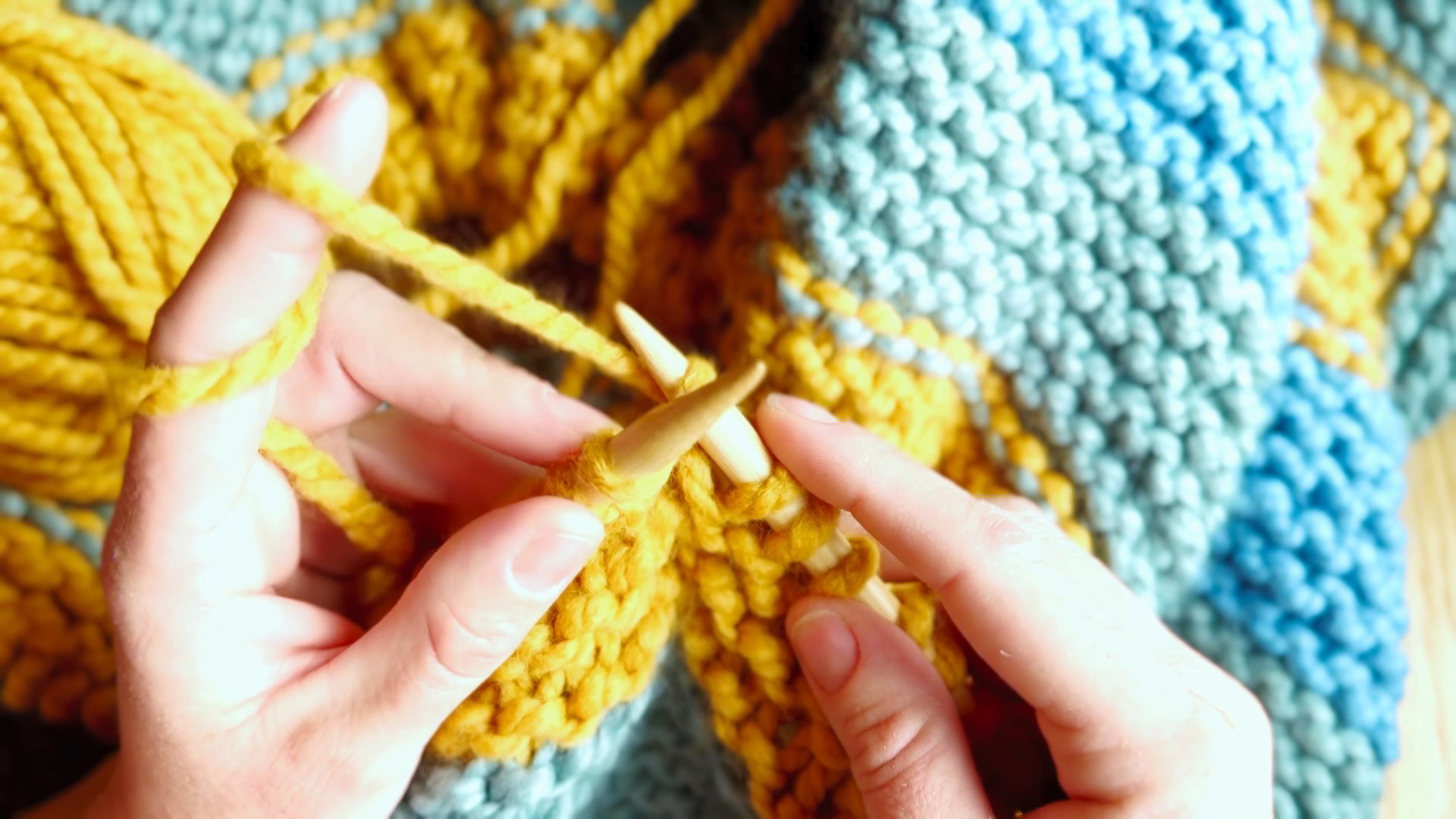
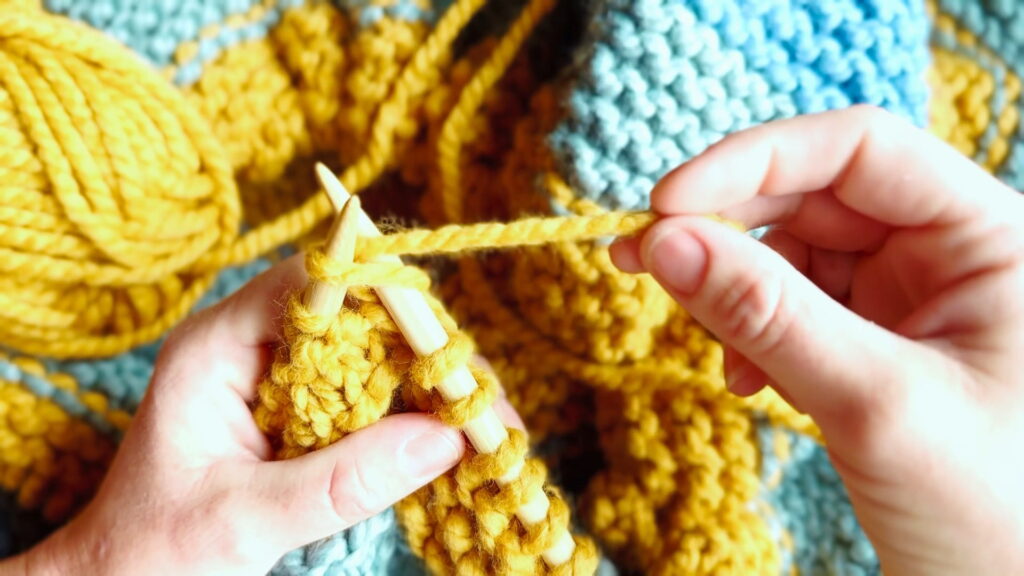
Continental knitting is simply a way of holding and managing the yarn while you knit. In this method, the working yarn is held in the left hand and guided with the needle to form each stitch. The stitches themselves are no different from those made using other knitting styles; the fabric you create is the same. What changes is how your hands move while you work.
This method is widely used and long established across many knitting traditions. In practical terms, Continental knitting refers specifically to holding the working yarn in the left hand and forming stitches by guiding the yarn with the needle, rather than wrapping it by hand. It often feels intuitive to people who have crocheted before, since crochet also uses left-hand yarn control. Many knitters find that Continental knitting allows for a steady rhythm and even tension once the movements become familiar.
If you want to learn this method step by step, you can start with my free lesson index: Learn to Knit.
Why I Teach Continental Knitting
This is the method I learned from the beginning. I came to knitting from crochet, and holding the yarn in my left hand felt natural right away. It allowed me to pay attention to how stitches were formed and how tension affected the fabric, instead of constantly adjusting my hands.
I teach Continental knitting throughout my lessons because it supports consistent tension and a repeatable hand position. That consistency matters when you are learning. It makes it easier to understand what your stitches are doing and why your knitting looks the way it does.
Choosing the Right Learning Path
The same Continental knitting technique is used across all of my lessons. What changes between lesson paths is pacing, language, and project size.
- Adult Learn to Knit Index: Standard pacing, fuller explanations, and adult-sized beginner projects.
- Kids’ Knitting Guide: Slower pacing, shorter lessons, and kid-friendly projects. This path is also useful for adults who prefer a gentler pace or very visual instruction.
Choose the path that fits how you like to learn. The underlying skills and techniques are the same in both.
Getting Started with Continental Knitting
If you are new to knitting, start with simple, flat projects. These make it easier to focus on tension and stitch consistency without added complexity. Small squares and basic accessories are ideal for learning how your hands and yarn work together.
If you want to build skills in a clear order, these are good starting points:
- Learn how to place your first stitches with How to Cast On.
- Practice the core stitch in How to Knit: The Knit Stitch.
- Add the second essential stitch in How to Purl.
- Finish cleanly with How to Bind Off.
If you already knit another way and are curious about Continental knitting, give yourself time to learn the movements before deciding whether it suits you. Comfort and consistency matter more than the specific method you use.
Continental knitting is one of several established ways to knit. It is the method used and taught here because it supports clear instruction, steady progress, and practical results.
Ready to Follow Along
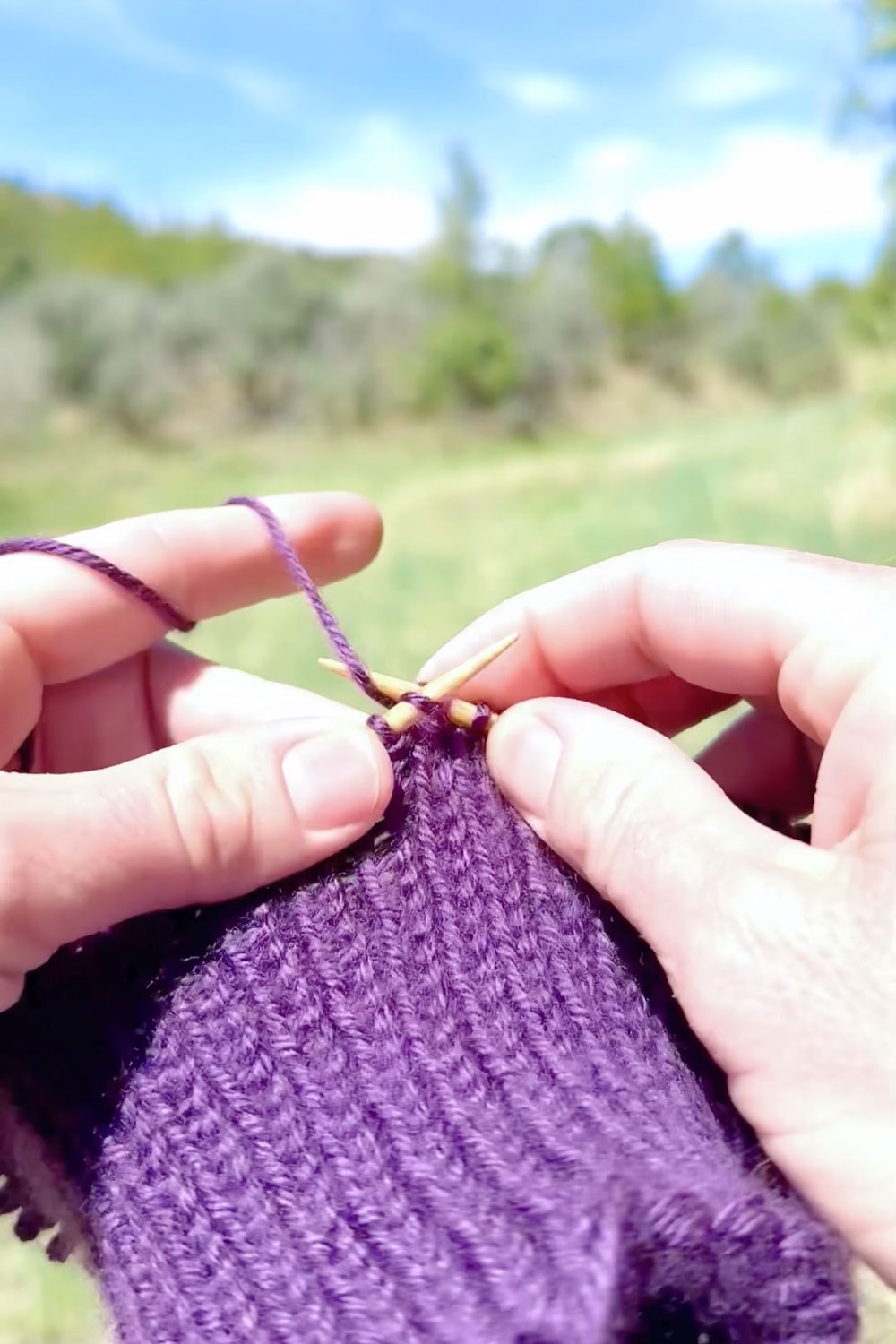
Start with the free, structured lessons in the Learn to Knit Index, which walks you through each foundational skill step by step.
If you prefer a printed reference, see Liz Chandler’s Knitting Guide: Learn to Knit with Practical Patterns, an all-in-one textbook designed for beginners who want a clear, practical guide.