When Wild Turkeys Take Flight

Do turkeys fly? Learn about wild turkeys in Colorado with Liz Chandler @PurlsAndPixels.

Mountain Moment: Wild Turkeys Fly Over Colorado Homestead 🦃

Living on a homestead means you get to experience moments that make you stop, stare, and occasionally drop your knitting needles. Today was no exception. I was in my craft room (deep in the zone, working on a new knitting pattern) when movement outside my window caught my eye. And no, it wasn’t a deer, a bear, or a wandering coyote. Nope, it was a flock of Colorado wild turkeys deciding it was time to show off their flight skills.

A flock of wild turkeys in Colorado, preparing to fly across a large gulley. Read more from Liz Chandler @PurlsAndPixels.

Wait… Do Turkeys Fly?

Yes, you heard that right. Wild turkeys fly. And they do it like they’re auditioning for Cirque du Soleil. If you’re still picturing them as the chunky, flightless butterballs of Thanksgiving fame, you are probably confusing them with their feral cousins. Our wild turkeys? They might hesitate to take flight, but when they need to cross a gulley or escape danger, they’ll startle you with their surprisingly skilled takeoff.

Fly, my friends! 💫🦃 #wildturkeys #wildlife #flyaway

Nothing gets the morning coffee going quite like discovering a tree full of turkeys, their silhouettes framed against a Colorado sunrise. Honestly, it’s the kind of moment that makes you double-check if you’re actually awake or just living in a dream.

What Wild Turkeys Eat: Piñon Nuts, Insects, and More

So, here’s a little turkey trivia for you: Wild turkeys are not lazy. They prefer foraging a healthy diet of piñon nuts, insects, and native plants (we’re talking gourmet-level sustenance here). They’re also great at cleaning up the forest floor, scratching away pine needles and spreading seeds like the woodland cleanup crew they were born to be. And yes, they’ve got the best seat in the house for all their gourmet meals; those pines make the perfect dinner table.

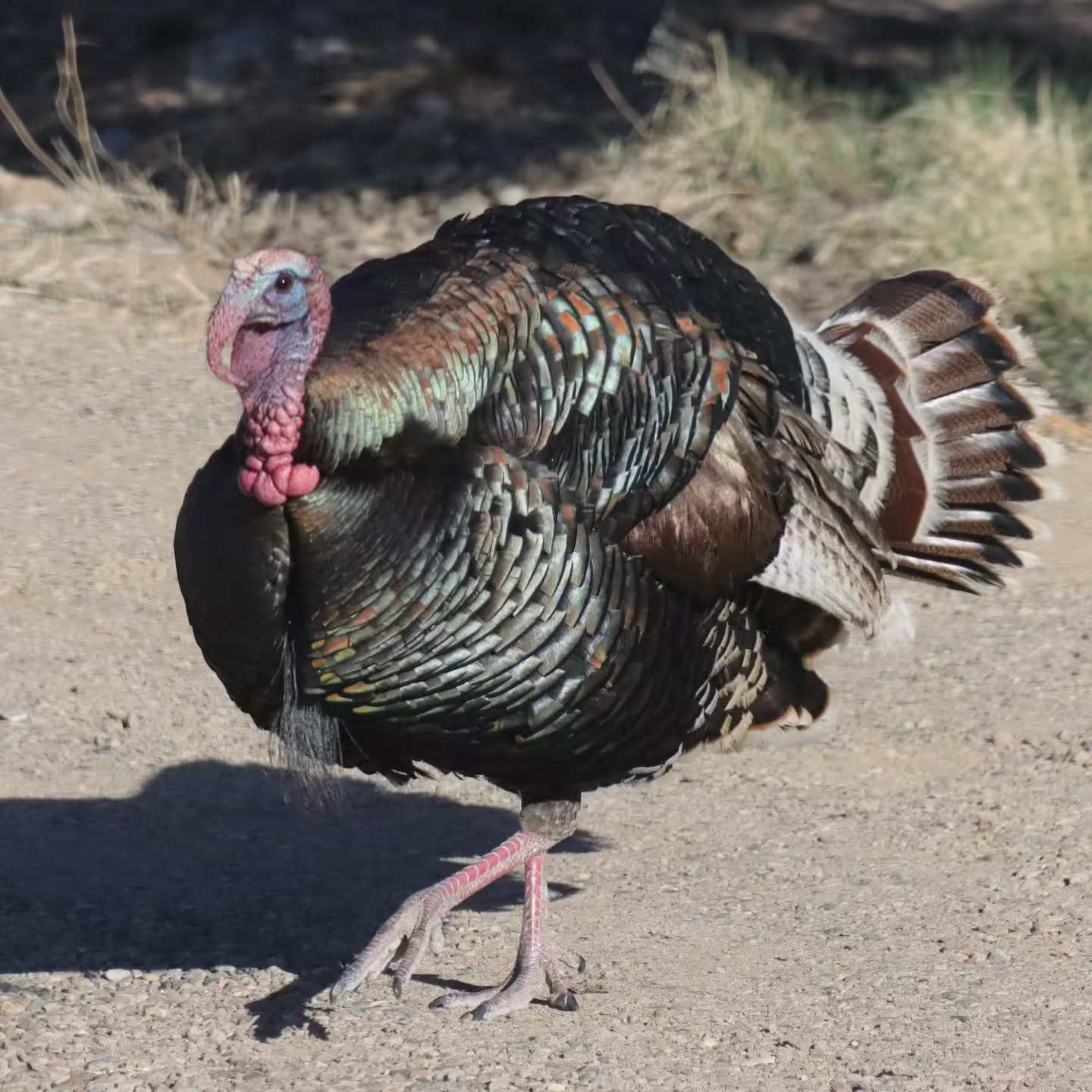
An adult male wild turkey wandering through the homestead, photo by Liz Chandler @PurlsAndPixels.

Oh, and in case you didn’t know, they’re more than happy to raid my garden, too. You’ve never seen a turkey move so fast as when they spot a fresh batch of tomatoes or zucchini. They’ll swoop in, snatch up their prize, and leave nothing but a trail of feathers and empty plant pots behind. So yeah, they might be nature’s cleanup crew, but they’re also a little… too enthusiastic when it comes to homestead gardens.

Aside from flying, wild turkeys enjoy foraging for food and pilfering the homestead garden. Read more from Liz Chandler @PurlsAndPixels.

Turkey Roosting: A Masterclass in Strategy

As the sun sets, these wild aviators head for the tallest trees they can find, nestling in for the night. And trust me, watching a 20-pound bird navigate branches is just as entertaining as it sounds. These birds know exactly what they’re doing. They pick the safest spots, tucked away from predators, while making sure they’ve got the best view for breakfast. Goals, right?

Wild turkeys in Colorado can fly so high that they can roost in giant ponderosa pine trees. Read more from Liz Chandler @PurlsAndPixels.

Wild Turkeys Are Our Neighbors: Respecting Wildlife and Nature

Living out here in the Colorado mountains means sharing space with all kinds of wildlife, including these wild turkeys. They’re not just passing through; they’ve set up shop. And honestly, they’re more dependable neighbors than some humans I’ve encountered. 🤫 They’ve chosen this spot because it provides everything they need: natural habitat, food, and protection for their little ones. Maintaining these environments isn’t just good for the turkeys; it’s a win for the entire ecosystem.

A flock of wild turkeys in the valley during summer. Photo by Liz Chandler @PurlsAndPixels.

The Wild Turkey Aerial Show: A Reminder of Why I Chose Homesteading

It’s a quiet life here, where the hustle and bustle of cities feel a world away. So, when I see those wild turkeys take flight, it’s a reminder of why I chose this Colorado lifestyle. The sight of these prehistoric-looking birds (seriously, they look like feathered velociraptors doing parkour through the sky) soaring through the air fills me with awe. It’s a spectacular display of nature in motion.

Wild Turkeys in flight over a snowy Colorado gulley. Photo by Liz Chandler @PurlsAndPixels.

A Daily Rhythm: Wild Turkey Flyovers and Crafting Inspiration

From my craft table, where I design knitting patterns and film tutorials, any movement outside the window is a potential wildlife encounter. These turkey flyovers are a welcome interruption to the stillness. They’ve become as much a part of my daily routine as the sound of my knitting needles clicking away. And every now and then, I get lucky enough to share these moments with my community, proving that inspiration is everywhere – even in a tree full of wild turkeys in Colorado. 🌿

A closeup of a Colorado wild turkey by Liz Chandler @PurlsAndPixels.

Read More

🦌 Wildlife Tales from My Colorado Craft Haven

🦁 Living with Mountain Lions

🐻 Keeping Bears Out of the Chicken Coop

🌲 10 Tips for Starting Your Homestead: Simple Steps to Turn Your Dream into Reality

🏡 Cozy Lifestyle Basics: Mountain Living Edition

🦌 Embracing the Rustic Homestead Lifestyle

Mountain Living Essentials

✨ Never Miss a Mountain Story 

Join my newsletter for exclusive patterns, homesteading tips, and wildlife updates! 💌

Living with Mountain Lions

A Colorado Homesteader’s Guide to Wildlife Coexistence 🏔️ 🦁

When you choose to homestead in the Colorado mountains, you sign an unspoken agreement: this is mountain lion territory, and you’re the guest. It’s a reality of rural living, and honestly? It’s one of its greatest lessons.

As a Colorado homesteader on 8 acres surrounded by dense woods and wildlife, I’ve learned a lot about sharing space with these elusive predators. Recently, I gained a deeper understanding when I discovered something remarkable: a mountain lion cache right on my property.

AI generated image of what my mountain lion probably looks like. My lion (thankfully!) will not let itself be seen.

What is a Mountain Lion Cache?

For those unfamiliar, a mountain lion cache is essentially a food storage site. These big cats will cover their prey – often a deer – with leaves, dirt, or snow to preserve it for future meals.

Finding a cache near my home was both startling and humbling. The lion had dragged its prey across my driveway and into the woods, where it carefully stashed the carcass to keep it safe and fresh. It reminded me of how a human hunter might put a deer in the freezer to preserve it for later use.

This act wasn’t random; it was an intentional survival tactic. By moving its meal to a secluded spot, the lion ensured it could return to feed without competition or threat.

What’s even more humbling? This mountain lion has been patrolling this territory for years. This was it’s home before it was mine; my house was built just five years ago. In a way, I’m the newcomer here, and this lion is one of the true locals.

Yes, this is my yard. But it is also home to mountain lions, bears, coyotes, deer, rabbits, and other native Colorado wildlife.

Why Mountain Lions Cache Prey Near Homes

Mountain lions require expansive territories to hunt and survive. My homestead happens to fall within this lion’s range.

What’s amazing is how stealthy they are. Despite having security cameras, I’ve only caught brief glimpses. The motion sensors occasionally trigger, but by the time the camera starts recording, the lion is gone. Their ability to move undetected is both eerie and awe-inspiring.

I chose to leave the cache undisturbed. While unsettling at first, this decision reflects my respect for the mountain lion’s role in maintaining balance in our ecosystem. This is their land too, and they deserve to be here.

I did make sure to warn my neighbors of the activity, so they were aware and able to take the necessary precautions (like don’t play in the woods after dark and watch pets more closely).

A view into my dense forest; the perfect home for a mountain lion to live its life.

A Word of Caution: When to Call for Help

While mountain lions are naturally shy and avoid humans, there are times when it’s necessary to contact wildlife protection officials:

🛑 If a mountain lion shows signs of unusual behavior, like allowing itself to be seen, entering secured areas to get at pets, or hunting humans, it could certainly pose a threat.

🛑 If you find a cache and notice the animal lingering nearby during the day or acting aggressively, call for assistance immediately.

Wildlife should be respected, but your safety always comes first.

Mountain lions live in wooded areas because their natural food sources live here as well, like the heard of mule deer that wander my property most of the year.

Living Safely in Mountain Lion Country

Homesteading in the wilderness means adapting to coexist with nature. It’s about more than beautiful views and cozy cabins. It’s a commitment to understanding and respecting the land and its native predators.

Mountain Lions’ Role in the Ecosystem

  • 🦌 Deer population control: Mountain lions prevent overgrazing by keeping herds in check.
  • 🌿 Healthy ecosystems: Predators like lions ensure balance in the natural food chain.

Practical Coexistence Strategies

  • 👀 Stay alert: Be especially cautious during dawn and dusk when lions are most active.
  • 🐕 Protect pets: Keep animals indoors or close to home during peak wildlife hours.
  • 🛠️ Secure your property: Store trash and pet food properly, and keep outdoor spaces well-lit.

Tips for Mountain Lion Country Residents

  • Install motion-sensor lighting to deter wildlife.
  • Maintain clear sightlines around your property by trimming back dense vegetation.
  • Secure animal feed and other potential attractants.
  • Be extra vigilant with pets, especially in the early morning or late evening.

Find my Homestead Essentials shopping list (where you can find this security camera) on Amazon (affiliate link).

Motion activated security lights and cameras are a helpful way to monitor mountain lion behavior on your property. Get more tips from Liz Chandler @PurlsAndPixels.

The Reality of Rural Living

Social media often glamorizes mountain life with filtered photos of snow-capped peaks, cozy fires, and idyllic homesteads. But real rural living is more than just aesthetics. It’s about embracing the unfiltered beauty of nature, including its challenges, like living with mountain lions.

Sharing space with apex predators like mountain lions is both humbling and rewarding. Their presence is a sign of a thriving ecosystem, and it reminds us of the delicate balance we’re a part of.

Living near the woods means living with mountain lions and other predators. Learn to co-exist with tips from Liz Chandler @PurlsAndPixels.

A Lesson in Coexistence

Instead of seeking to remove the mountain lion near my property, I’ve chosen to respect its role. The cache it left behind, and its decision to drag prey across my driveway to a hidden spot, was a reminder that nature doesn’t operate on our terms. And that’s as it should be.

Each day on my homestead brings new opportunities to learn and grow. Whether I’m knitting by the window, keeping an eye on my surroundings, or tending to daily chores, I’m grateful for this connection to the natural world. Even its more formidable inhabitants. 🐾

Living with mountain lions and other wildlife is authentic homesteading: no filters, no shortcuts, just respect for the land and all who call it home.

🦌 More Homesteading & Wildlife:

🏡 Mountain Living Essentials:  

✨ Never Miss a Mountain Story 

Join our newsletter for exclusive patterns, homesteading tips, and wildlife updates! 💌

Tarantula Migration

Tarantulas Wandering in Southwest Colorado: A Unique Natural Phenomenon

Every fall, a fascinating event unfolds across the plains and foothills of Southwest Colorado: the annual tarantula migration. It’s a natural spectacle that draws attention not only from local residents but also from nature enthusiasts and curious onlookers from across the country. While the thought of hundreds of large, hairy spiders might send shivers down some people’s spines, the tarantula migration is actually an incredible and harmless display of nature at work.


What Is the Tarantula Migration?

Tarantulas Wandering in Southwest Colorado: A Unique Natural Phenomenon

The tarantula migration is not a migration in the traditional sense, where animals move long distances for survival or food. Instead, it’s a seasonal event where male tarantulas—most commonly the Aphonopelma hentzi species—emerge from their burrows in search of mates. These bachelors are driven by one purpose: finding love before the end of their short adult lives. Think of it like nature’s speed dating, but with way more legs and a lot less talking.

Starting in late August and continuing through October, the males set out at dusk, bravely trekking across fields, roads, and even hiking trails in their quest for romance. While this phenomenon occurs throughout the southwestern U.S., Southwest Colorado—particularly around La Plata and Montezuma Counties—offers a prime viewing opportunity for those wanting to witness this spidery love parade.

Why Do Tarantulas Migrate?

The male tarantulas, typically between 7 and 10 years old, have spent their lives underground, feeding and molting in their solitary burrows. But after years of being single, they’ve had enough and emerge during the fall to search for that special someone—because even spiders can’t resist the call of love. Mating is their one and only mission now, and after they find a mate, they’ve basically checked off their entire bucket list.

Females, on the other hand, are much more grounded (literally and figuratively). They prefer to hang out in their burrows, waiting for Mr. Right Now to wander by. With a lifespan of up to 20 years, they take their time, knowing the males will come knocking. Unfortunately for the guys, some of these spider dates don’t always end well—cannibalism is a real possibility. Talk about a high-stakes romance!

Where to See the Migration

In Southwest Colorado, several areas are well known for good tarantula spotting. The flat grasslands between Cortez and Durango, particularly around Highway 160, are a great place to witness the migration. It’s not uncommon to see these large, slow-moving romantics crossing roads or meandering through open spaces, likely dreaming of the perfect spider wedding.

For those who wish to experience the tarantula migration, it’s best to go out just before sunset, when the males become more active. Be sure to bring a flashlight if you plan to stay after dark, as the tarantulas tend to be most active at dusk and into the early evening hours.

Are Tarantulas Dangerous?

Despite their intimidating size and appearance, tarantulas are generally not dangerous to humans. Sure, they look like they could headline a horror movie, but they’re just hopeless romantics in search of a mate. While they can bite if threatened, their venom is mild and typically not harmful beyond a bee sting in terms of pain or reaction. They’re much more interested in finding love than engaging with humans, so if you come across one, it’s best to observe from a respectful distance and let them continue their search for spider soulmates.

Tarantulas also play an important role in the ecosystem, keeping populations of insects and small invertebrates in check. Their presence is a reminder of the often-overlooked importance of spiders in maintaining balance in nature—whether they’re swiping right on their tarantula Tinder or not.

How to Enjoy the Tarantula Migration Safely

If you plan to observe the tarantula migration, there are a few things to keep in mind to ensure both your safety and the well-being of these eight-legged Casanovas:

  • Watch from a distance: Tarantulas are delicate creatures. Avoid picking them up or disturbing them on their journey for love.
  • Drive carefully: If you’re on the road, be mindful that tarantulas are slow-moving, and it’s easy to accidentally run them over. Drive cautiously in known migration areas, especially during the evening.
  • Respect their habitat: Stick to trails and paths, and avoid trampling through their natural habitats. Many of these areas are fragile ecosystems.

Ready for Love

The tarantula migration in Southwest Colorado is a remarkable event that showcases the beauty and complexity of nature… and the romantic desperation of male tarantulas! For a few short weeks each fall, the region’s rugged landscape comes alive with these gentle giants, each hoping to find love before time runs out. So, whether you’re a spider enthusiast or simply curious about the natural world, the tarantula migration is a spectacle worth seeing, if you’re brave enough to witness nature’s ultimate matchmaking event.

Keeping Bears Out of the Chicken Coop

Learn about protecting chickens from bears Liz Chandler PurlsAndPixels.

Essential Steps to Protect Your Flock in Bear Country

Living in bear country means being the guardian of your chicken coop in a land where bears might mistake it for an all-you-can-eat buffet. Bear-proofing your coop isn’t just about protecting your chickens; it’s also about ensuring that our furry neighbors don’t end up enjoying an unintended feast.

Keeping bears out of the chicken coop Liz Chandler PurlsAndPixels.

Understanding Bear Behavior

First things first, let’s delve into the bear psyche. Bears are not food critics; they’re opportunists. They have an uncanny ability to sniff out a chicken dinner and might consider your coop a Michelin-starred establishment if given the chance.

Keep Temptations Out of Reach

Alright, now it’s time to clean up the yard. Remove any chicken delicacies that might entice bears. Store feed securely in bear-proof containers, because your chickens aren’t the only critters that enjoy corn and grains. A hungry bear will happily snack on your chicken feed, then search for some protein to go with his side dish. It’s best not to rely on “bear-proof” containers; a clever bear can pop these open with the flick of one claw. Instead, keeping feed in a sturdy shed or garage is a good way to keep it out of reach.

A bear’s claw can easily pierce the top of a “bear-proof” feed bucket, allowing it to unscrew the lid and feast.

Fortify the Fortress

Keeping bears out of the chicken coop Liz Chandler PurlsAndPixels.

Your coop should resemble Fort Knox, but with more clucking. Construct it with materials sturdy enough to withstand a bear’s curiosity. Remember, bears are like the Houdinis of the animal kingdom; they’ll try every trick in the book to crack into your coop.

When it comes to locks, bear-resistant is the name of the game. Bears have a knack for figuring out puzzles, so opt for locks and latches that would give even Sherlock Holmes a run for his money.

Regularly inspect your coop to ensure it remains a fortress against bear infiltration. Remember, bears have a lot of time on their paws and are persistent problem-solvers.

Keeping bears out of the chicken coop Liz Chandler PurlsAndPixels.

Your First Line of Defense: Fencing

Keeping bears out of the chicken coop Liz Chandler PurlsAndPixels.

Install fencing that even the most ambitious bear would think twice about crossing. Think electric fencing or a fence so formidable it could double as a set for a medieval castle. Bears might be strong, but they’re not fans of unpleasant surprises.

If you find a particularly stubborn bear is undeterred by a little zap, here is a tip I learned from a retired Forest Service Wildlife Officer. He told me to try wrapping a strip of raw bacon around the electric fence; when the bear tries to grab a snack, it will get a zap that should deter it from coming back. Just make sure to turn off the electricity before you wrap the bacon, and turn it back on when you’re done.

Lights, Alarms, and Other Bear-Be-Gone Gadgets

Bright lights and sudden loud noises: the bear’s version of an unexpected pop quiz. Set up motion-activated deterrents that make bears feel like they stumbled into a surprise party they weren’t invited to.

To create a bear-unfriendly surprise party, motion-activated deterrents could mimic a carnival gone haywire in the woods. Picture strobe lights flashing vividly, casting disorienting shadows amidst the trees. Accompanying these dazzling lights, an array of loud, dissonant noises erupts—a cacophony of honks, bells, and perhaps even snippets of human chatter or music, jolting the bears out of their peaceful reverie. These deterrents, strategically placed and activated by motion sensors, would make the bears feel like they stumbled upon a chaotic celebration they definitely weren’t invited to.

From the bear’s perspective, these unusual sights and sounds disrupt their usual routine, creating an environment that feels unfamiliar, unpredictable, and thoroughly unwelcoming. It’s the forest equivalent of walking into a surprise party where you’d much rather have stayed home—a sensory overload that normally encourages a swift retreat back to the peace and quiet of the untouched woods.

Man’s Best Friend: The Canine Guardians

Keeping bears out of the chicken coop Liz Chandler PurlsAndPixels.

When it comes to bear deterrence, our four-legged friends often steal the show. A well-trained dog can be an invaluable asset in keeping bears at bay. Bears are wary of dogs and are less likely to approach an area where they sense the presence of these vigilant guardians. Consider introducing a dog to your coop-defense team – a furry, barking sentry that doubles as a loyal companion.

However, training is key; not every dog is automatically a bear-chasing expert. Choose breeds known for their protective instincts and train them to safely deter, not directly engage, these formidable visitors. A dog’s bark might just be the final piece of the puzzle in creating a bear-proof fortress for your chickens. Be sure to socialize your pups well with their new chicken friends, or you will have an entirely different predator problem on your hands.

Community Bear Watch

Keeping bears out of the chicken coop Liz Chandler PurlsAndPixels.

Spread the word! Let your neighbors in on the secrets of bear-proofing. Sharing tips might just prevent your neighborhood from turning into a bear picnic area.

Unusual Bears

If you find the bear in your neighborhood is not deterred by these tricks, call your local animal control or wildlife specialist. They’ll have more tips and might even want to relocate very stubborn or aggressive bears.

Read More Rustic Living Guides

🦁 Living with Mountain Lions

🕷️ Tarantula Migration: Where and Why they Roam

🏡 10 Tips for Starting Your Homestead


Wildlife Tales from My Colorado Craft Haven

Gardening in Colorado brings you face-to-face with wildlife more than you'd think. Meet the wild animals that stop by to say hello to Liz Chandler @PurlsAndPixels.

Where Knitting Meets Critters and Gardens Host Gossip Sessions

So, picture this: Southwest Colorado, where my knitting needles and gardening trowels mingle with the locals – the wildlife! From my crafting corner, I’ve got a front-row seat to nature’s sitcom, and let me tell you, it’s both hilarious and awe inspiring.

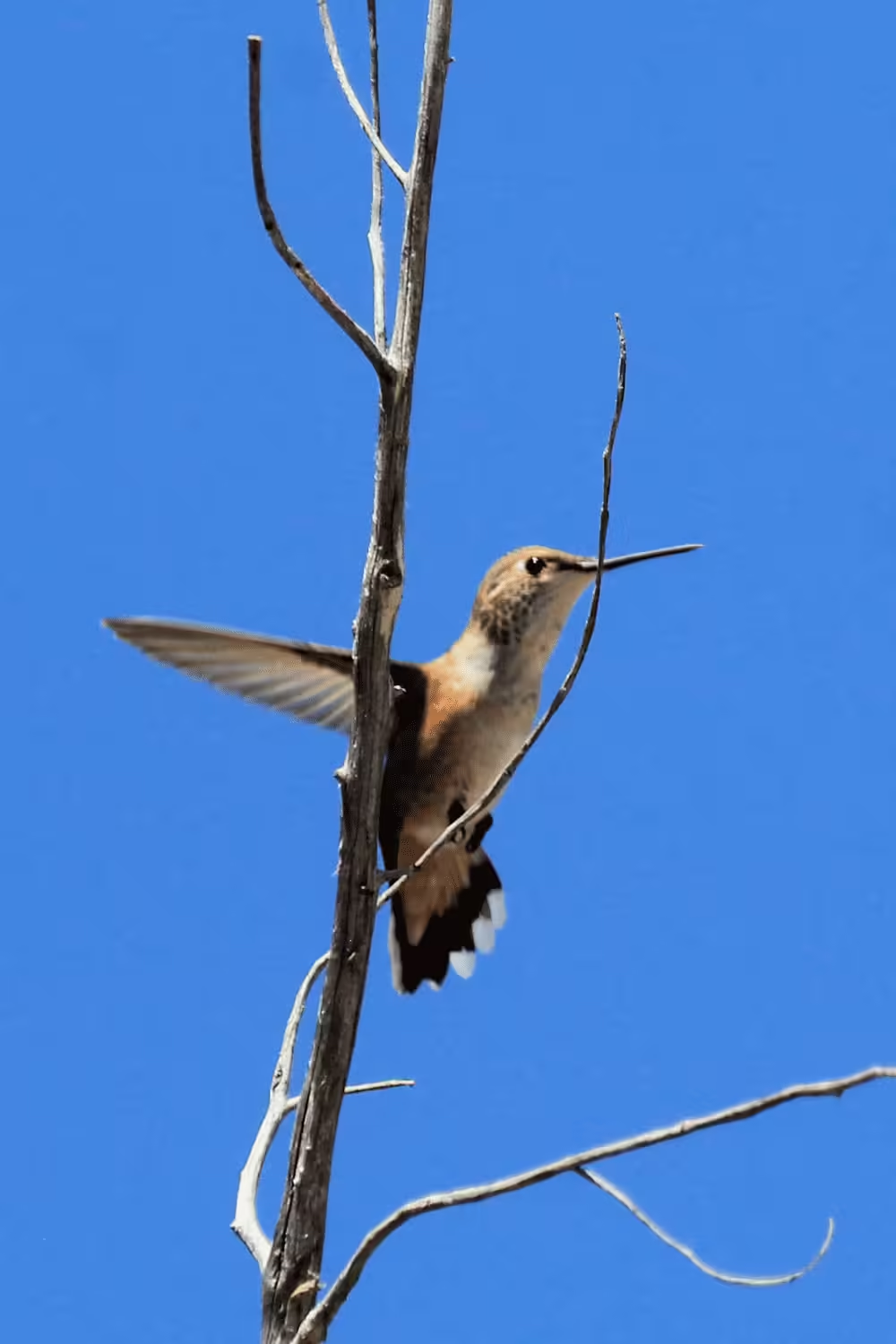
Hummingbird High-Speed Chase

Colorado has the best hummingbirds. Squirrel spying on the garden. Colorado wildlife knitting outside with Liz Chandler @PurlsAndPixels.

Ever tried knitting while hummingbirds zip around? It’s like a NASCAR race with wings! These speedsters inspire me to pick vibrant yarn colors, because, let’s face it, life’s too short for dull colors when hummingbirds are around.

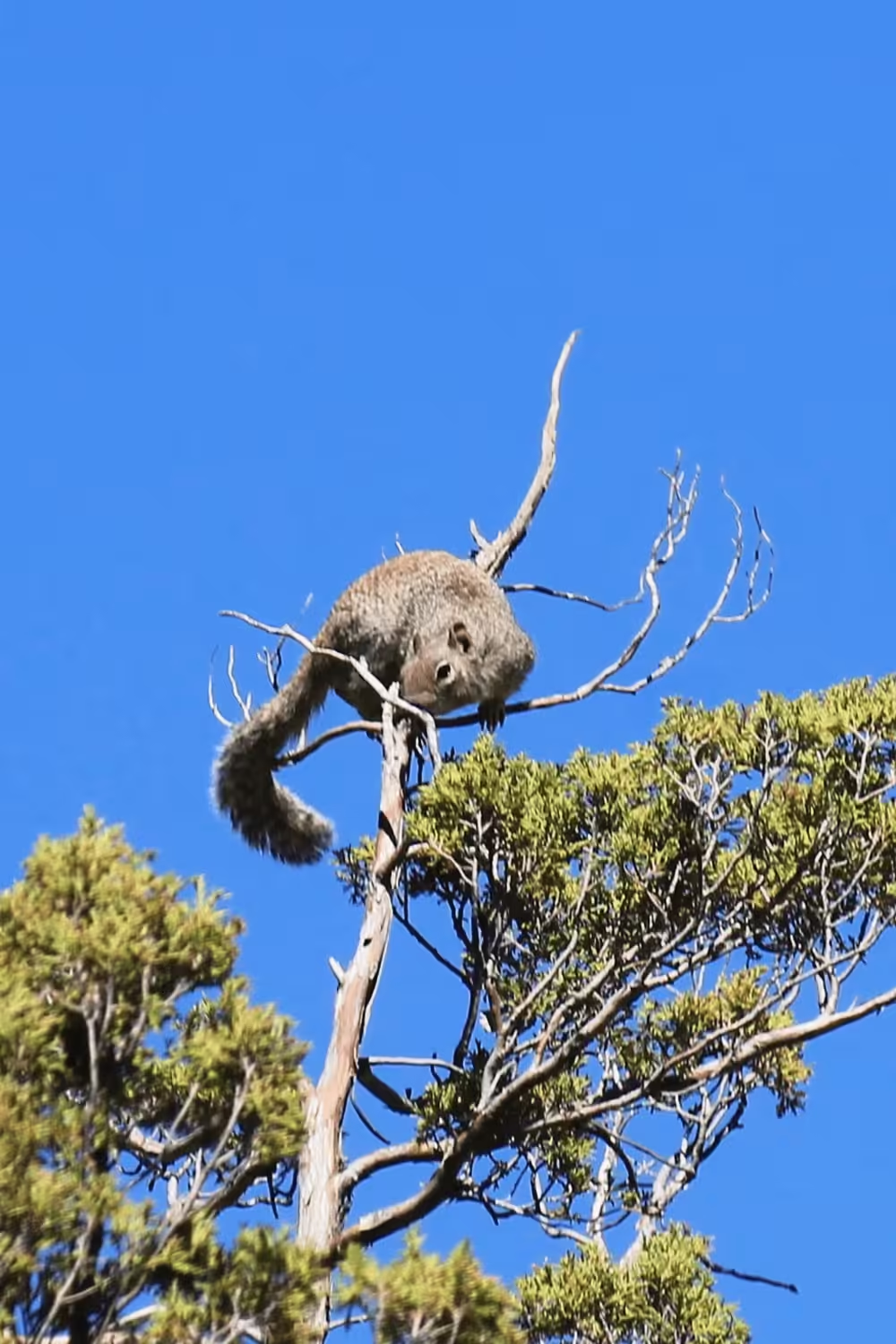
Squirrel Shenanigans and Cheeky Chipmunks

Squirrel spying on the garden. Colorado wildlife knitting outside with Liz Chandler @PurlsAndPixels.

Gardening with squirrels and chipmunks around is a bit like playing hide-and-seek. They eye my veggies, I try to protect ’em. It’s a constant game of “Who’s got the best tricks?” Their antics remind me to knit resilient stitches, just in case they decide to get crafty with my knitting basket.

A silly chipmunk tries to drive a Tonka Truck through my garden. Colorado wildlife knitting outside with Liz Chandler @PurlsAndPixels.

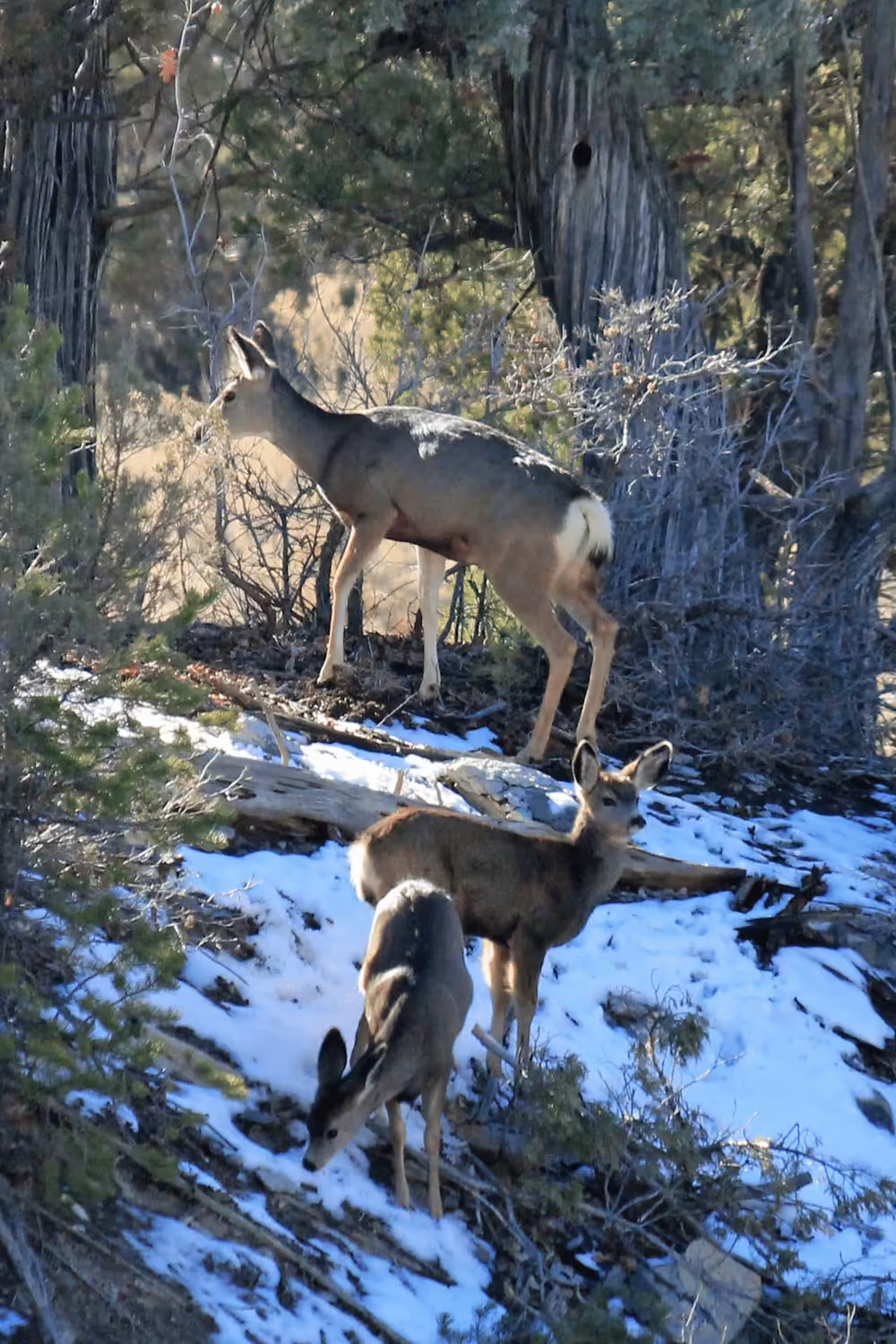
Deer Drama Queen

As twilight sets in, the deer emerge, looking all majestic until they nibble on my carefully tended plants! They’re the garden divas, strutting in for a snack. But hey, their elegance sometimes sneaks into my knitting patterns – subtle and graceful, just like those sneaky but graceful nibblers.

Mamma mule deer and her twin fawns looking for food. Colorado wildlife knitting outside with Liz Chandler @PurlsAndPixels.

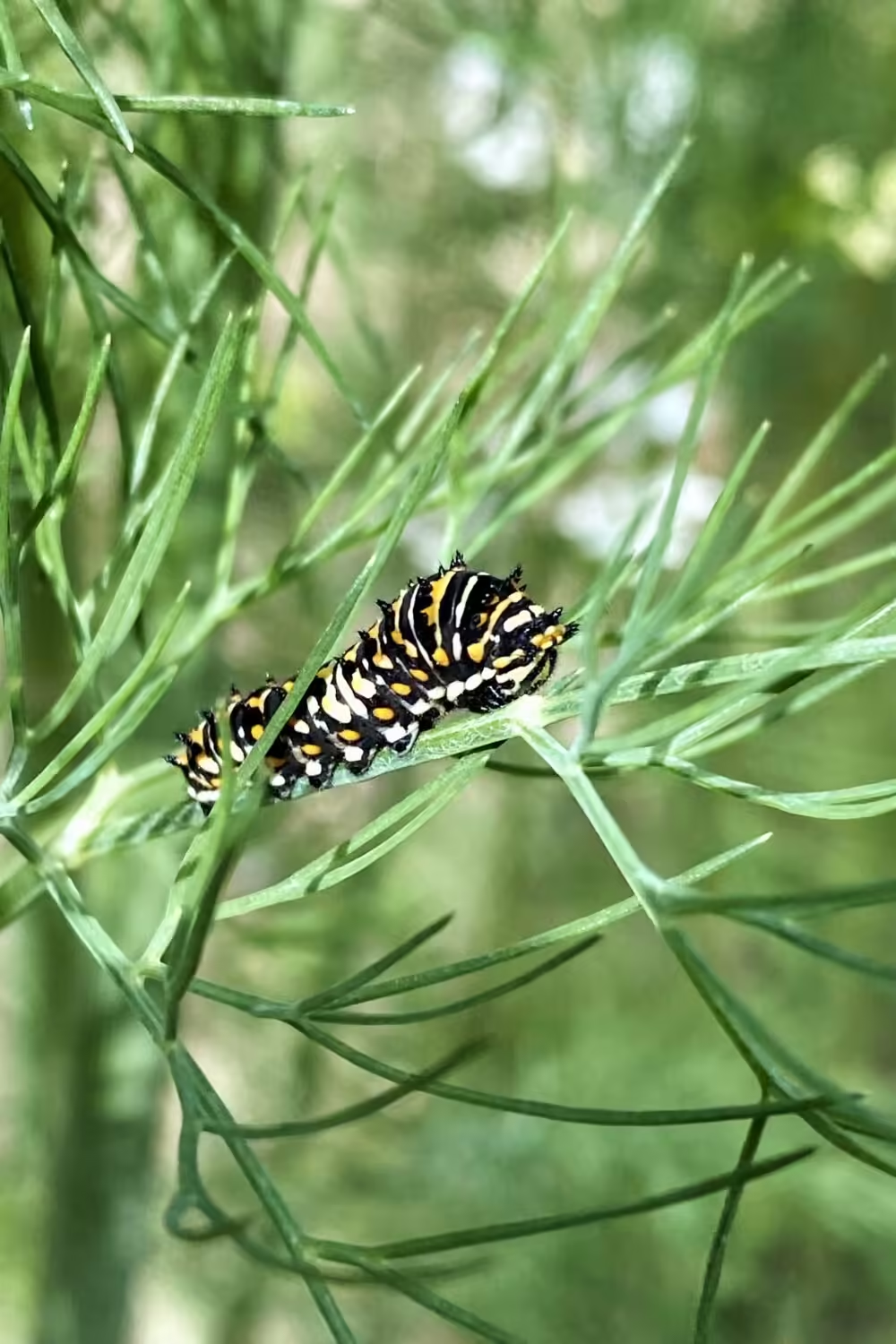
Butterfly Makeovers

A caterpillar snacks on dill in the garden. Colorado wildlife knitting outside with Liz Chandler @PurlsAndPixels.

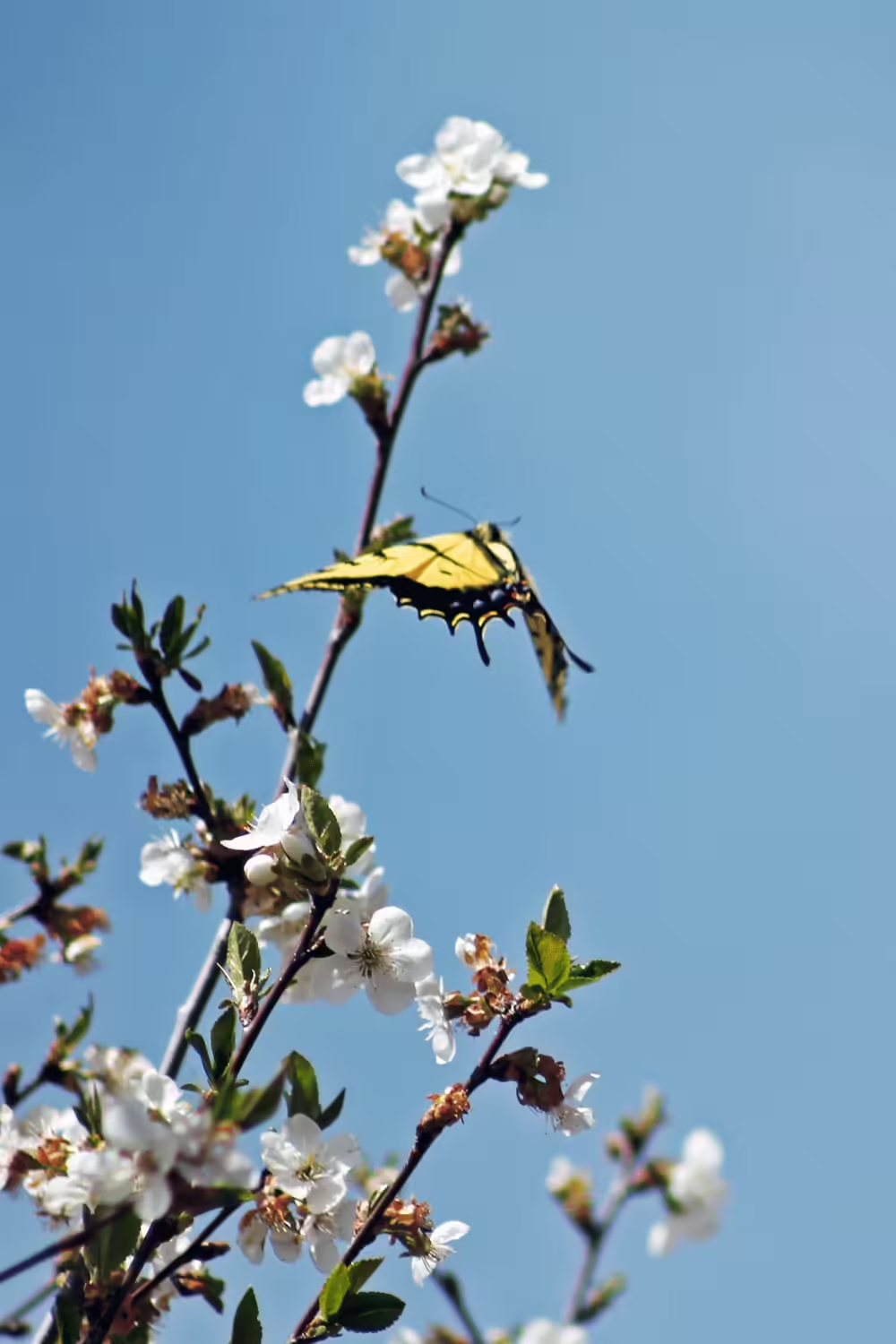
From caterpillar chaos to butterfly beauty, the garden’s got its own makeover show! It’s like witnessing a craft project in fast-forward. Their transformations nudge me to experiment with new knitting patterns – after all, change is a beautiful thing, right?

A yellow butterfly in flight to a fruit tree blossom. Colorado wildlife knitting outside with Liz Chandler @PurlsAndPixels.

Songbird Karaoke Nights

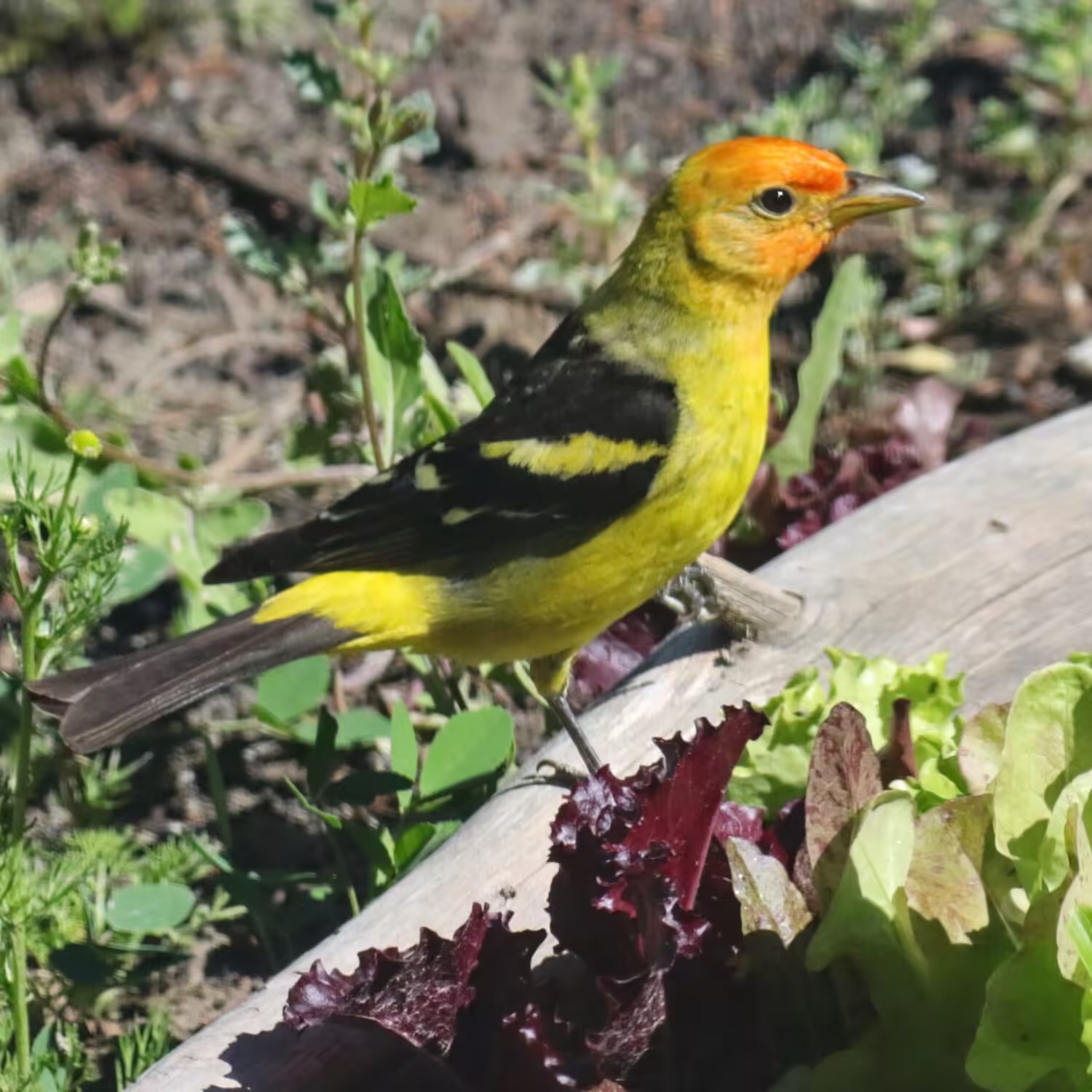
Wild Colorado Songbird observing the lettuce in my garden.  Wild turkeys love to peck at the garden. Colorado wildlife knitting outside with Liz Chandler @PurlsAndPixels.

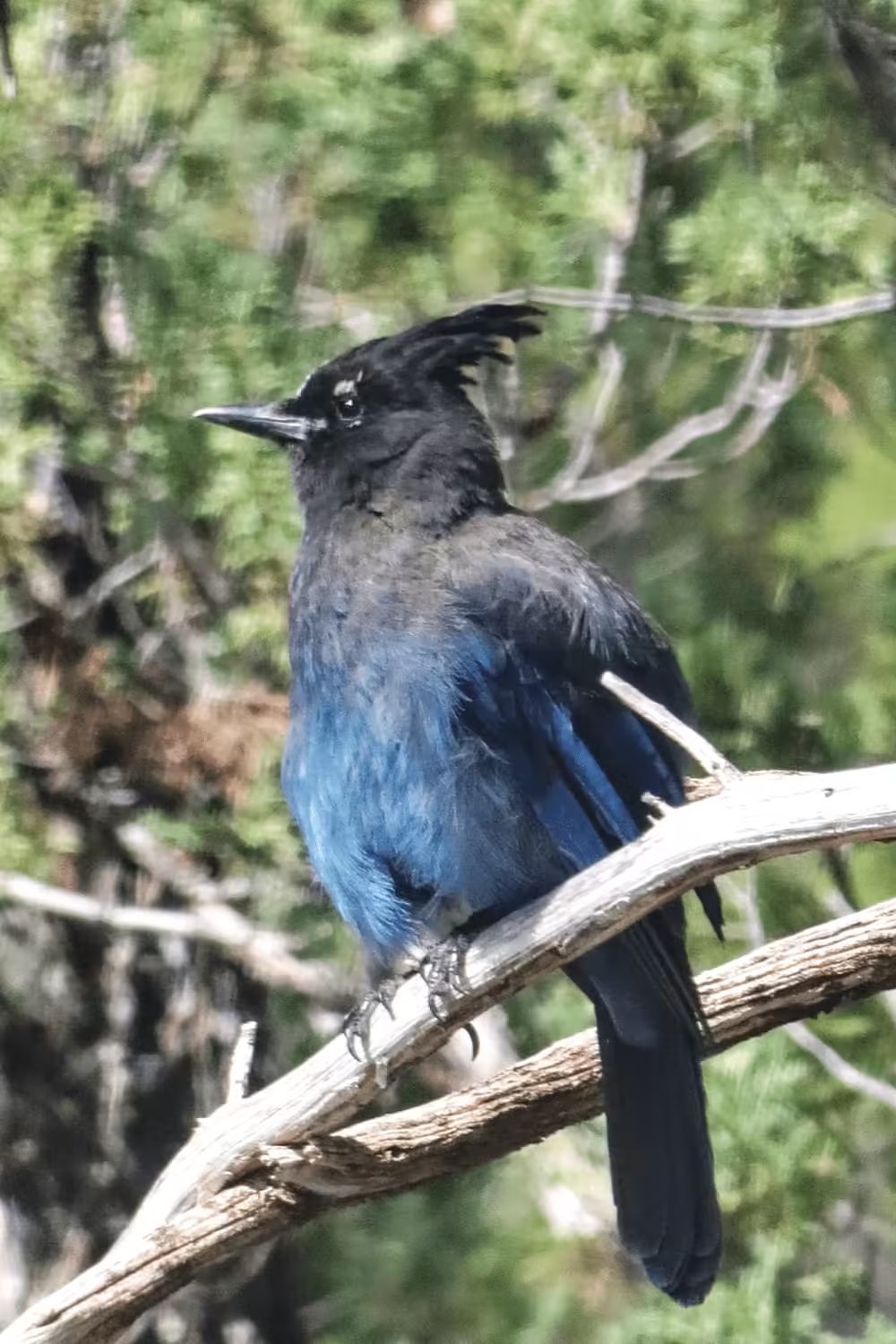
These songbirds make my gardening soundtrack! It’s a full-on karaoke session out there. Their tunes fuel my knitting rhythm. Who knew a knitting session could double as an open mic night for nature’s finest crooners? And what’s extra-exciting in my neck of the woods is to hear the Steller’s Jays imitate the local hawks. Sometimes I hear a hawk scream and look up to see this fellow. The little stinker does it to clear the garden of other birds that might be competing for food. They hear a hawk and flee, while the Jay feasts happily, knowing the birds of prey are not on the attack.

Steller's Jays can imitate hawks and other sounds. Colorado wildlife knitting outside with Liz Chandler @PurlsAndPixels.
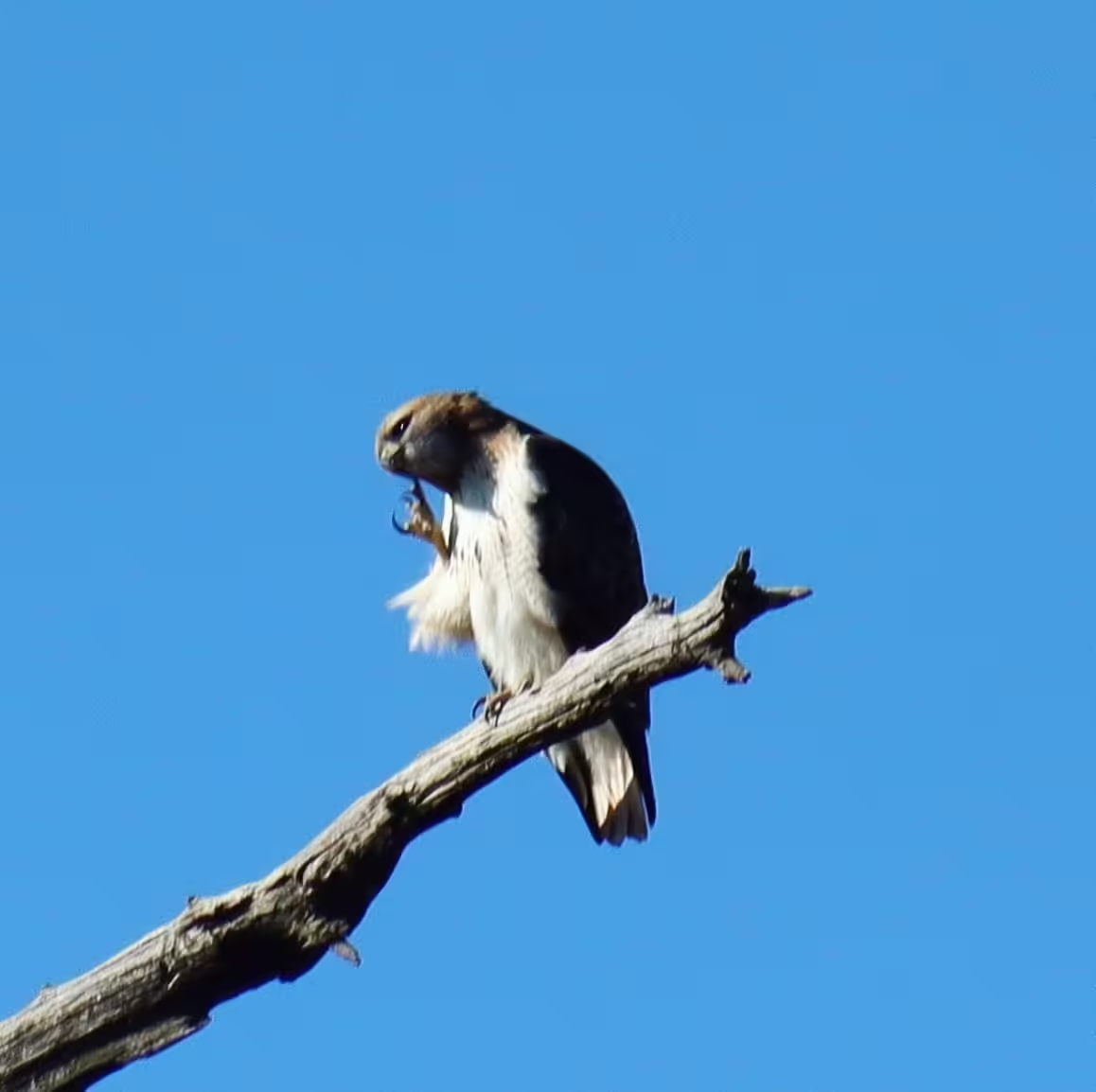
A hawk scratches his face, taking a break. Wild turkeys love to peck at the garden. Colorado wildlife knitting outside with Liz Chandler @PurlsAndPixels.

Wild Turkey Troublemakers

Wild turkeys love to peck at the garden. Colorado wildlife knitting outside with Liz Chandler @PurlsAndPixels.

Now, speaking of wild birds, I often run into the most beautiful flock of wild turkeys while knitting and gardening outside. They are adorable and so fun to watch. But they do love a good garden snack, just like anyone else. Do I share? Usually. They’re too fun to run off. Oh, and it is also amazingly fun to watch wild turkeys take flight.

Wild turkeys love to peck at the garden. Colorado wildlife knitting outside with Liz Chandler @PurlsAndPixels.

Bumbling Bees

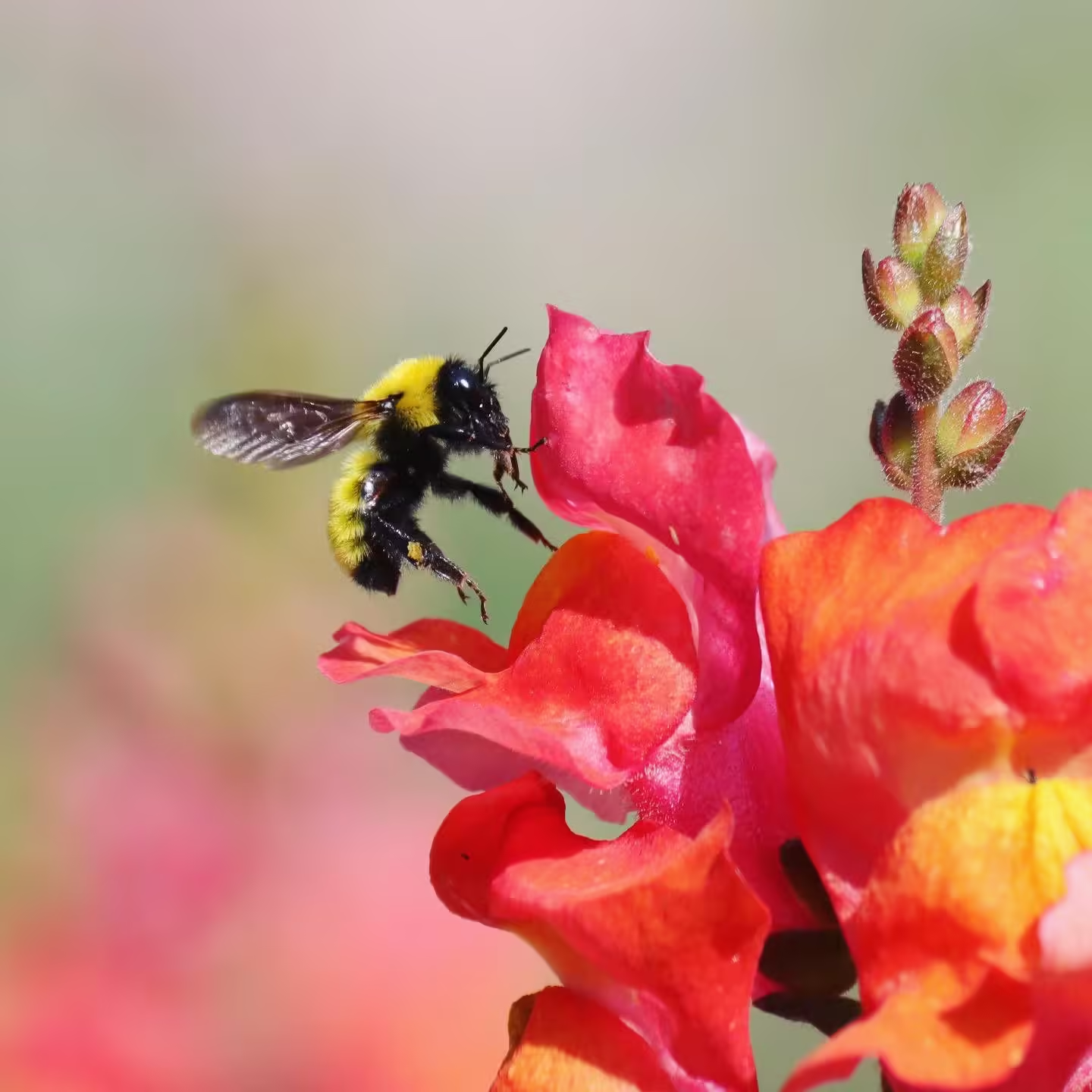
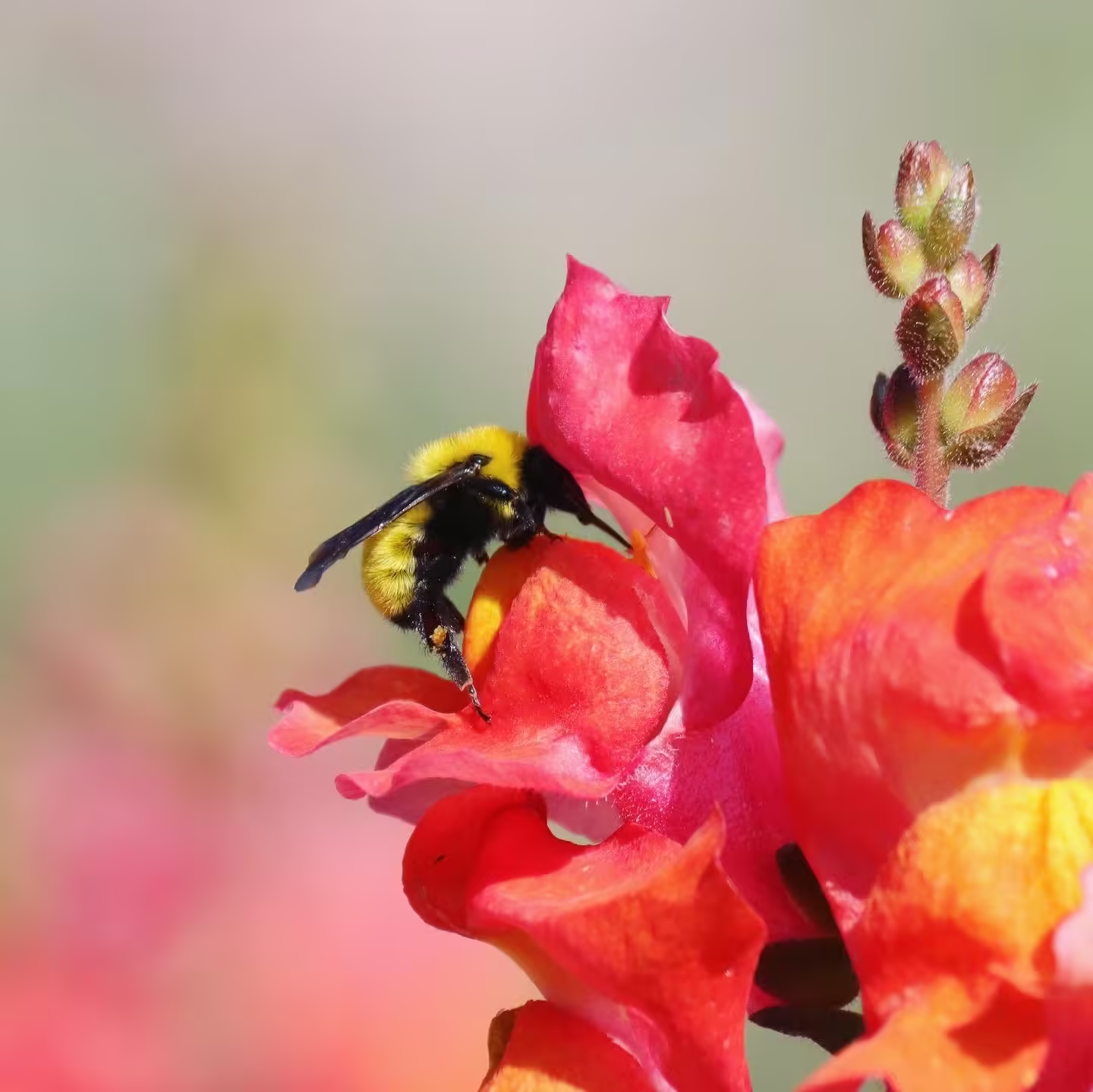
Lets not forget the most important of the garden creatures to visit while I’m clicking my knitting needles. Both honey and bumble bees are both vital to the garden’s survival and to my knitting bliss. Listen to the sweet soft buzzing while you weave together your newest knitting project. Your mind will thank you for the tranquility.

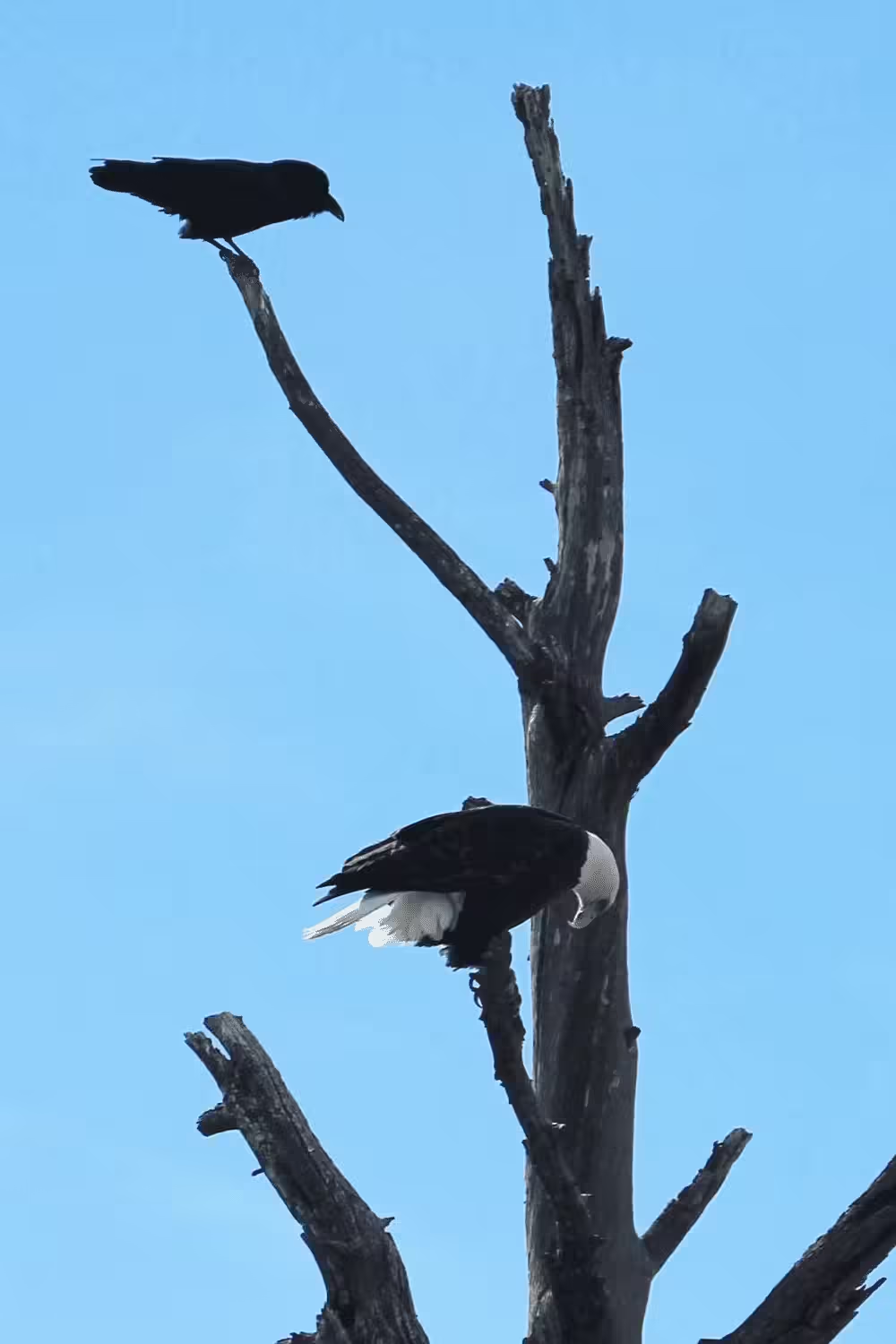
Don’t Forget to Look Up

Those knitting stitches do keep your eyes focused. But don’t forget to take a break and look up every now and then. Otherwise you might miss spotting some really amazing wildlife.

Don't forget to look up, or you might miss the wildlife.Colorado wildlife knitting outside with Liz Chandler @PurlsAndPixels.

In Southwest Colorado, my knitting and gardening adventures unfold amidst the quirkiest cast of characters – the local wildlife! Their shenanigans and charm sneak into my crafting choices, adding a touch of nature’s comedy to my cozy craft haven.

Join Liz Chandler knitting in her Colorado mountain haven. Garden, grow, and learn to knit at purlsandpixels.com.

Knit along with me and be sure you follow me on Instagram: that’s where I share my best nature and knitting photos.

Let’s be friends! @PurlsAndPixels on Instagram.

Knitting Inspiration from Nature

Knitting inspiration from nature: how the wild world inspires my color choices. Read more from Liz Chandler @PurlsAndPixels.

How noticing the world around you makes knitting feel steadier and more intuitive.

Living in the Rocky Mountains means nature is not a backdrop; it is part of daily life. Wildlife wanders through the yard, weather dictates the rhythm of the day, and the colors outside the window change constantly. Yarn is usually nearby.

At PurlsAndPixels, nature is not something I reference for aesthetics. It is how I think through choices; color, texture, and structure. Knitting inspiration from nature shows up in the projects I design because it offers limits instead of pressure, and clarity instead of excess.

This page is about learning how to notice in a way that makes making things feel calmer and more manageable.

Calm blue sky over the Colorado mountains, a quiet winter landscape that reflects the colors and stillness of nature.

Why Nature Shows Up Everywhere on PurlsAndPixels

You will see a lot of outdoor photos here. They are not meant to decorate the page.

Nature offers a consistent reference point. When beginners understand why certain colors feel balanced, or why texture affects warmth and durability, knitting becomes less abstract and easier to trust.

The mountains are simply where I learned to see this clearly.

Autumn landscape with balanced greens, golds, and reds reflected in still water, photographed in Colorado.

1. Color Comes from Real Places

Yarn color inspiration does not begin in a store. It begins outside.

Canyon walls suggest stripes. Snowy mornings lean soft and neutral. Forest shadows pull deeper and steadier. When you train your eye this way, choosing yarn becomes simpler and more confident.

This way of seeing shapes patterns like the Gratitude Blanket, where gentle color changes and repetition do the work without requiring complex decisions.

Color does not need to perform. It only needs to belong together.

Knitting the Gratitude Blanket outside at golden hour in Colorado shows how nature inspires my knitting design. Learn more with Liz Chandler @PurlsAndPixels.

2. Texture Is a Skill, Not Decoration

Knitting is tactile. Texture matters.

Bark, stone, fur, and weathered surfaces all exist for a reason. In knitting, texture adds structure, warmth, and durability. It supports the work instead of competing with it.

This is why simple stitches appear often here. Garter stitch, ribbing, and steady repeats are used with intention; they create fabric that behaves well and feels good to use.

A green double cable knit headband laid on a golden aspen leaf branch shows how natural textures inspire knitting. Read more from Liz Chandler @PurlsAndPixels.

3. Cozy Is Functional Here

Cozy is not an aesthetic goal. It is a practical one.

The projects I design are meant to be finished, worn, washed, and relied on. Nature is direct about what works. Weather does not reward trends. It rewards preparation.

That same mindset carries through every pattern and tutorial on this site.

Cozy and practical knits are inspired by real life use out in nature. Read more from Liz Chandler @PurlsAndPixels.

Try This

The next time you step outside, pause briefly.

Notice three colors that naturally sit together, and one texture that stands out. Write them down.

When you choose yarn for your next project, match the feeling first, not the brand or fiber. This approach removes unnecessary decisions and makes knitting feel steadier from the start.

A small notebook near the window view of the forest with flowing natural light can inspire all your knitting projects.

How This Fits Together

This way of working extends beyond knitting. The same approach; noticing what works, choosing simple materials, and building things that last, shows up throughout the site.

Whether the project involves yarn, food, or small home skills, the goal remains the same: create a home that feels capable, steady, and kind to the energy you actually have.

You do not need perfect ideas.
You only need a place to begin.

If you are not sure where to start, the Start Here page will guide you to beginner knitting lessons and simple projects designed to build confidence without pressure.