(And How to Fix Knitting Mistakes Without Starting Over)
Something is twisted. It is not stretching right. Your knitting just looks… weird.
You will make mistakes knitting. But don’t let that be the reason you put the whole basket in the closet and walk away forever.
Most knitting mistakes can be fixed. If you are new to knitting, the Learn to Knit section walks through the basics from the very beginning.
This article explains what you are usually seeing when something looks wrong, how knitted fabric actually behaves, and how to decide what to do next without undoing hours of work. It focuses on recognition and judgment rather than step-by-step repairs.
Most Knitting Does Not Need Immediate Fixing
When something looks off, it is easy to assume you have done something wrong and need to correct it immediately.
In practice, most things that look wrong in knitting are not urgent.
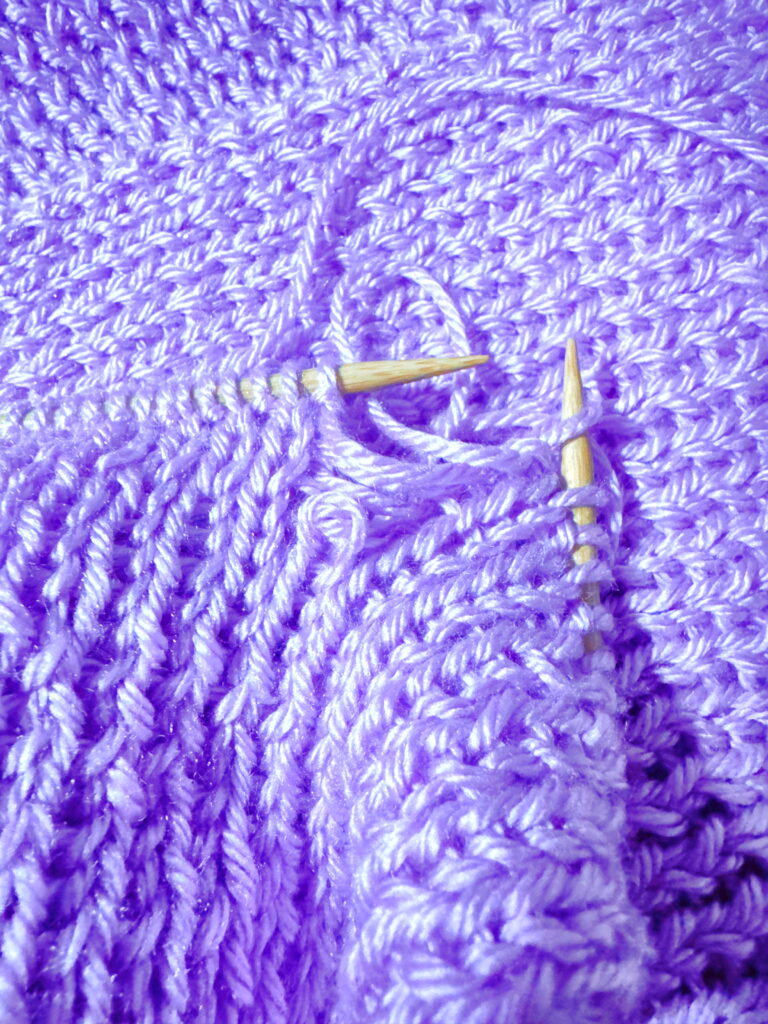
Knitted fabric is made of interlocking loops. Those loops support each other. While the work is still on the needles, the fabric often looks less even and less stable than it will once finished.
Uneven stitches, loose edges, and small visual inconsistencies are common. They often resolve themselves with continued knitting, blocking, or simple wear, and they do not weaken the fabric.
In many cases, the correct response is to keep knitting.
Rows and Columns: How Knitting Actually Works
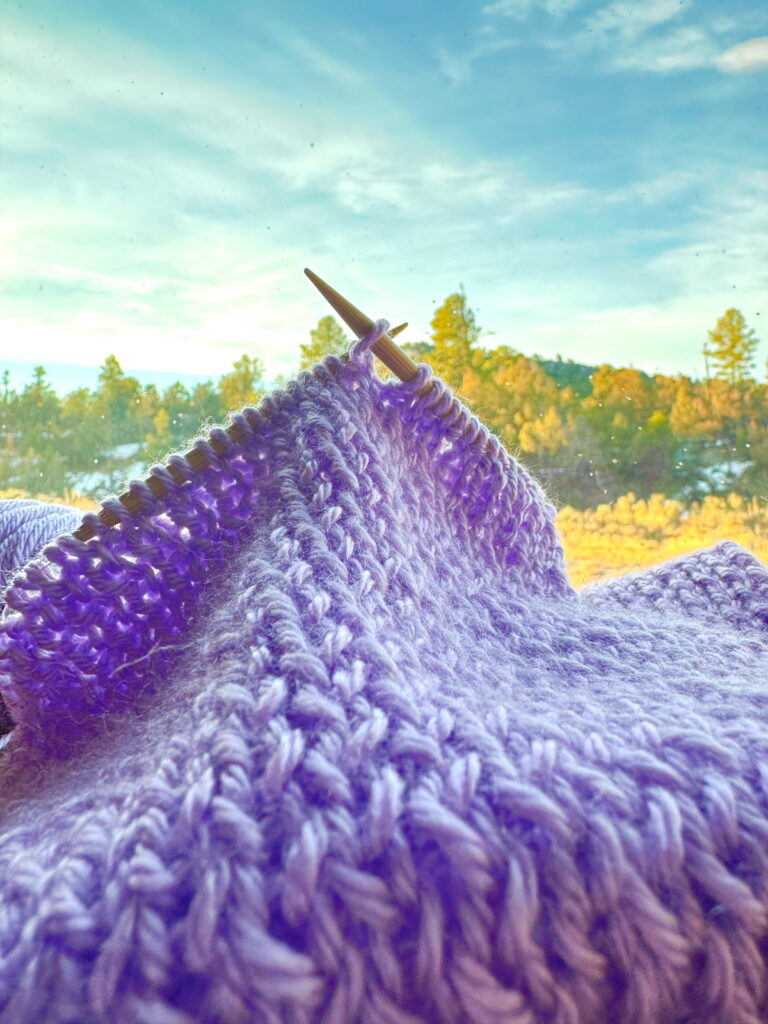
Although knitting is worked across the needles in rows, the fabric itself is built in vertical columns.
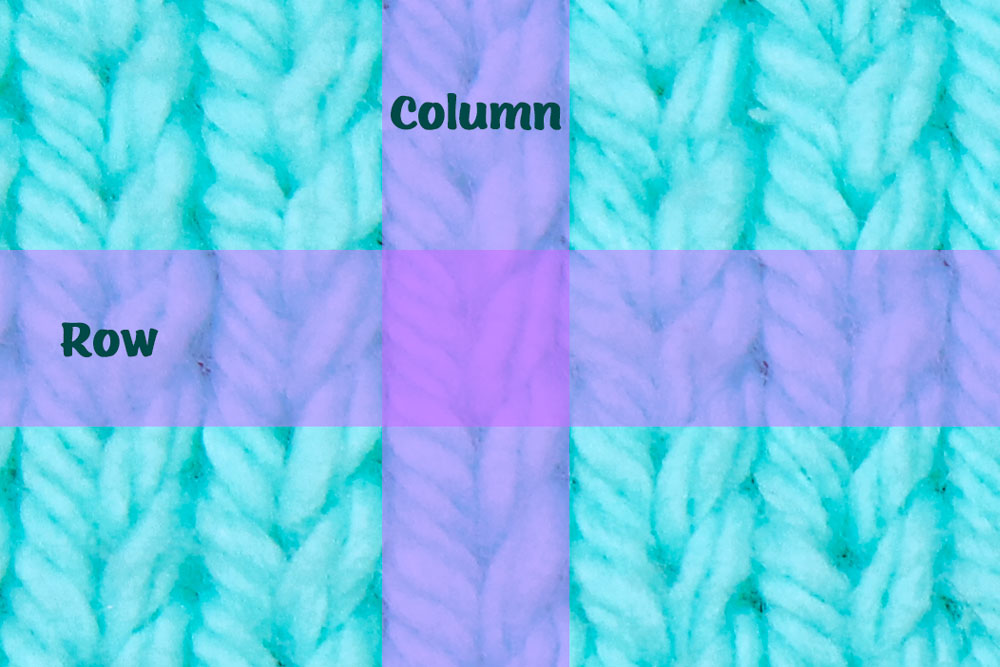
Most true knitting mistakes exist in a single column of stitches rather than across an entire row.
Understanding this changes how you approach fixing problems and makes it easier to use targeted techniques instead of starting over. You are rarely repairing the whole project. You are usually working with one narrow section of fabric.
Because of this structure, many issues can be corrected later, or left alone entirely, if they do not affect the strength or function of the fabric.
Two Questions to Ask Before You Fix Anything
When you notice something that looks wrong, pause and ask:
- Does this affect the structure of the fabric?
- Will this continue to bother me if I leave it alone?
If the answer to both questions is no, continuing to knit is the best choice.
If the answer to either question is yes, the issue can usually be corrected by working to the column where it occurred, rather than undoing large sections of work. Many of these fixes are covered step by step in the Fix Knitting Mistakes lessons.
Why You Rarely Need to Rip Back Rows
Many knitters are taught that fixing a mistake means undoing rows (“frogging“) until the problem disappears.
While that approach works, it is often unnecessary.
Techniques such as knitting backward one stitch at a time (“tinking”) or dropping down a column to fix a stitch (“laddering down“) allow you to correct issues without starting over. If you want detailed, step-by-step instructions for specific fixes, my Fix Knitting Mistakes lessons walk through those techniques in depth.
Knowing that these options exist makes knitting feel less fragile and gives you more control over your work.

Confidence Comes From Knowing What You Are Looking At
Experienced knitters are not people who avoid mistakes. They are people who can recognize what they are seeing and decide whether action is needed.
That skill develops with practice and with an understanding of how knitted fabric behaves, rather than from memorizing instructions.
A Practical Next Step
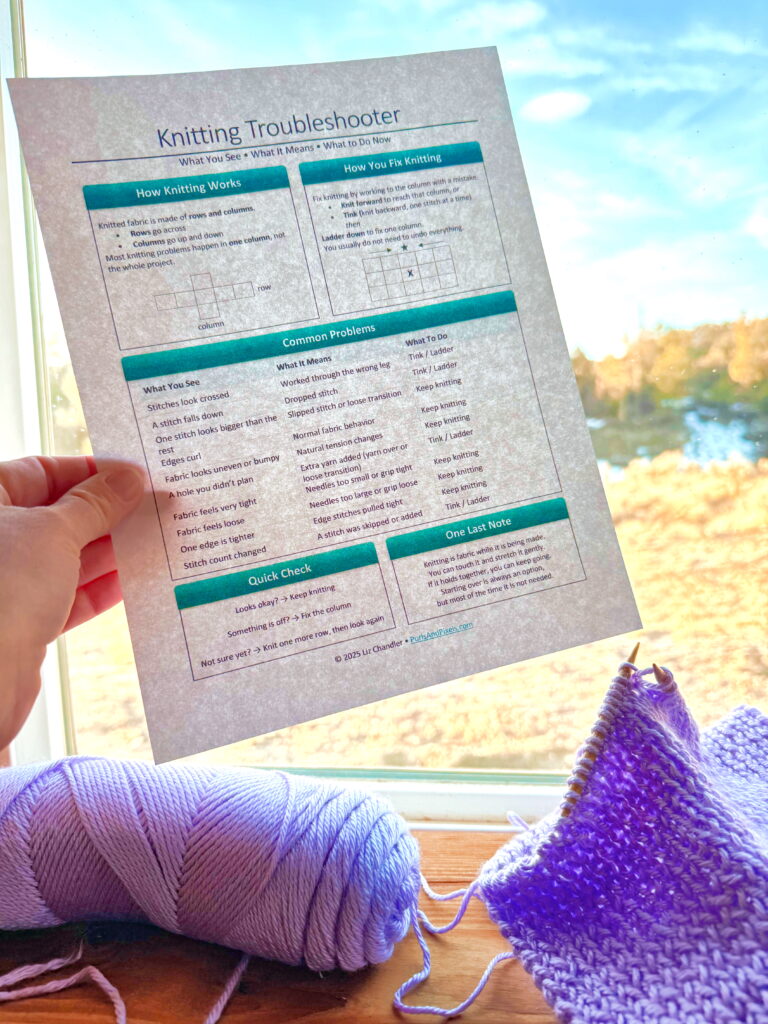
If you find yourself pausing mid-row to decide whether something needs fixing, having a simple reference nearby can help.
I put together a one-page Knitting Troubleshooter that outlines common situations, what they usually mean, and how to decide what to do next. You can find the Knitting Troubleshooter here if you want a printable reference to keep nearby. It is meant for the moment when you are holding your needles and thinking, “Is this a problem, or can I keep going?” It is designed to sit beside you while you knit and support your decision-making in the moment.
This article may be enough for some knitters. Others find it helpful to have a reference nearby so they can keep working without second-guessing each stitch or stopping to search for answers.
The goal is the same either way: continue knitting, learn as you go, and finish the projects you start.
Knitting becomes easier when it stops feeling fragile.
Most of the time, your work is sound.
Up Next
Now that you know something in your knitting needs fixing, find more detailed step-by-step lessons on how to spot and fix some of the most common knitting mistakes: twisted, sipped, and dropped stitches.

Uneven tension can make it look like your knitting has mistakes. Don’t rip it out. Just keep practicing. In this lesson, we will learn how to make stitching more even by improving knitting tension.

Go Back to the Learn to Knit Index