
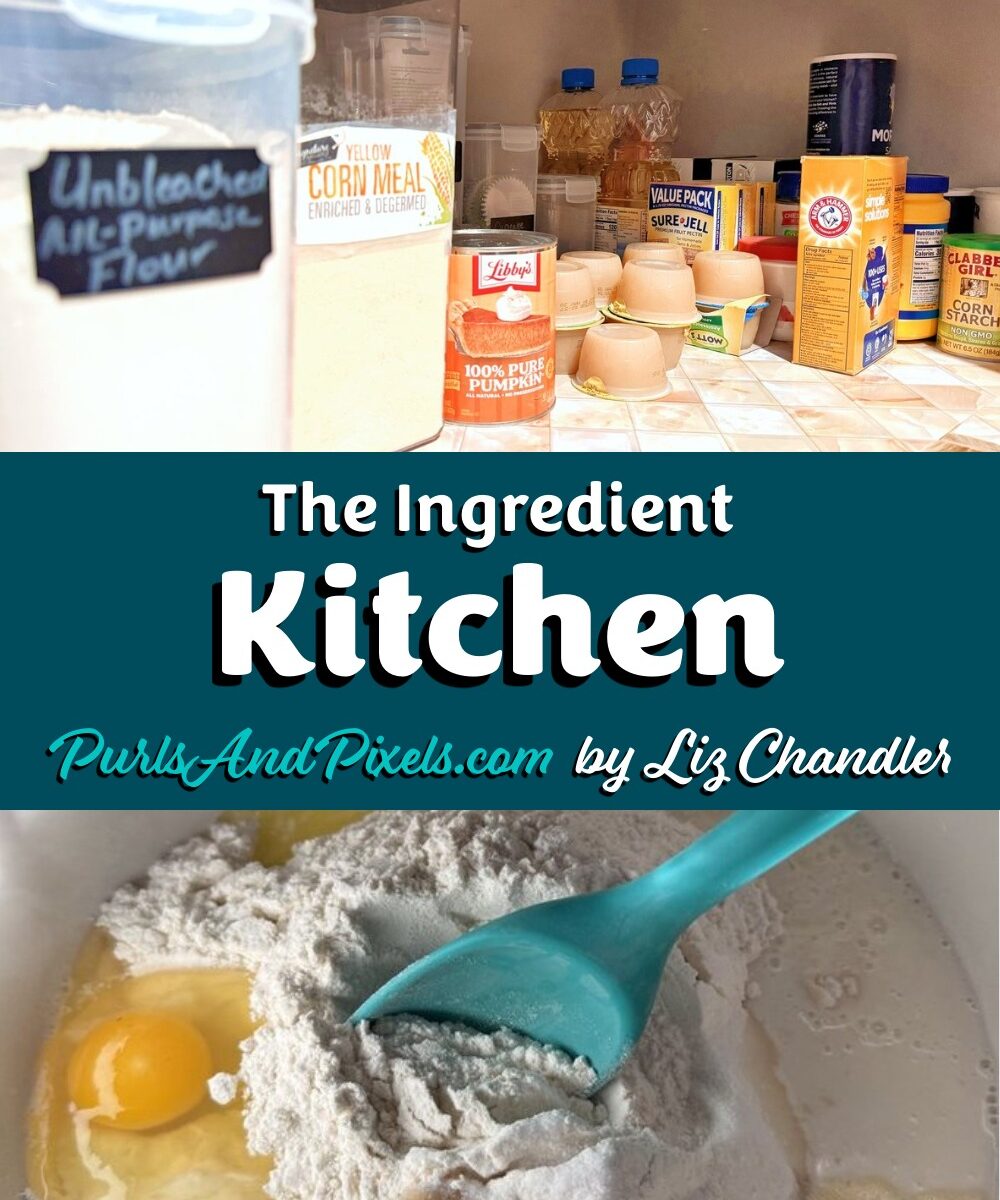
Learn to cook real meals from ingredients.
The Ingredient Kitchen is a structured guide for learning how to cook from ingredients. It’s designed for people who were never formally taught how cooking works and want a clear, practical place to start.
This page serves as the complete index for The Ingredient Kitchen lessons. The guide focuses on fundamentals: how ingredients function, how meals are built, and how to turn what you have into food you can cook with confidence.
New to Cooking? Start Here
- Go step by step. You do not need to learn everything in one day.
- Start with ingredients you recognize. Familiar food builds confidence.
- Practice beats perfection. Repeating simple meals is how you build skill.
Want a simple checklist to track your progress? Download the Ingredient Kitchen Skills Progress Sheet.
Start Here: Learn to Cook from Ingredients
These lessons are meant to be followed in order. Each one builds on the last and introduces a manageable piece of the larger system. You don’t need prior experience. You don’t need special equipment. You just need ingredients and a willingness to practice.
New lessons are added over time. This page always reflects the complete Ingredient Kitchen sequence.
Step One: The Core Idea (Start Here)
Lesson 1: Why Stocking Ingredients Works
- What “cooking from ingredients” means in everyday terms
- Ingredients are food; ingredients make food
- Why this approach is flexible, practical, and worth learning
Step Two: Build Your Pantry Foundation
Lesson 2: Building a Practical Pantry
- What to keep on hand and why
- How pantry ingredients support multiple meals
- How to build a pantry gradually (without overthinking it)
Stocking practical ingredients is part of learning to cook, but the exact contents of a pantry vary by household. The Ingredient Kitchen focuses on how ingredients work together. A separate pantry guide covers what to keep on hand and how to adapt it over time.
Step Three: Understand How Meals Come Together
Lesson 3: How Meals Come Together
- The basic structure behind everyday meals
- How to combine ingredients without rigid rules
- Simple substitutions that keep dinner moving
Ingredient Kitchen Skill Boosters
Lesson 4: Buying Ingredients
- Where ingredients come from (grocery stores, markets, local sources)
- How to balance cost, quality, and convenience
- How to buy what you will actually use
Lesson 5: Storing Ingredients So They Stay Usable
- Simple storage rules that prevent waste
- Common mistakes (and easy fixes)
- Keeping ingredients usable longer
Put It All Together
Lesson 6: From Ingredients to Dinner
- How to look at what you have and decide what to cook
- How to pair components into a full meal
- How to move forward without second-guessing
Put It Into Practice with Recipes
Cooking is learned by doing. Use recipes as practice while you work through these lessons. Recipes are labeled by skill level so you can start simple and build from there.

Helpful Cooking Resources
- Recipes Index: Practical recipes labeled by skill level so you can practice what you learn.
- Ingredient Kitchen Skills Progress Sheet: A simple checklist so you can track what you’ve learned.
- Pantry Starter List: A printable list of practical ingredients for building a working pantry.
- Shop Printables: Optional convenience downloads designed to support Ingredient Kitchen lessons.
Start with Lesson 1, keep it simple, and repeat what works.
– Liz